
The Narrator’s Relationship to the Body
Wann wird es endlich wieder so, wie es nie warThis flow traces how bodies in the memoir signify affection, illness, vulnerability, and the limits of control.
increasing Bearing strength in each event
 decreasing
Bearing strength in each eventdecreasingThe Father’s Belly
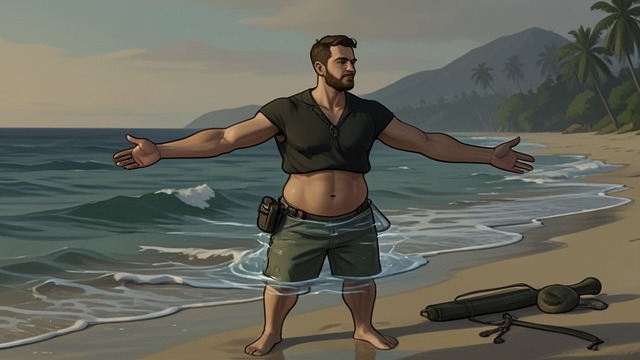
The Father’s Belly
Affectionate Attention
Joachim(Jocki) fills Hermann’s navel with seawater and waits for it to evaporate before asking to stay longer at the beach. The father’s large body becomes part of their shared game.
Love in Detail
The child’s attention is intimate rather than judgmental. A body that Hermann jokes about also offers a warm surface for attachment.
The Patients’ Bodies
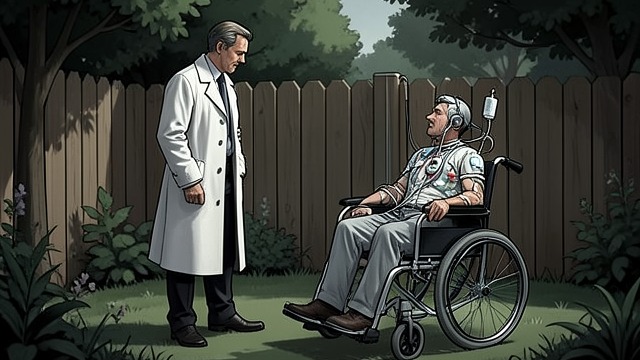
The Patients’ Bodies
Visible Need
Joachim(Jocki) sees patients in specialized wheelchairs, protective helmets, and fenced gardens. Their bodies reveal the extent of their dependence and the systems that manage them.
Ethical Looking
The narrator’s descriptions can be blunt and troubling, yet they also show how closely he observed people others might avoid seeing. The body is both spectacle and evidence of care needs.
The Boy Cuts His Hand
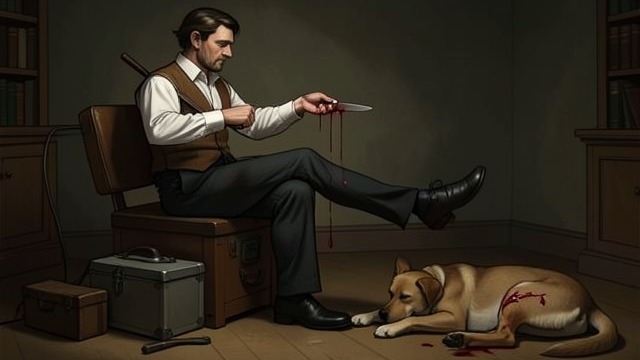
The Boy Cuts His Hand
Bodily Imitation
Joachim(Jocki) cuts his own palm while trying to become blood brothers with the dog. The act translates a television image of loyalty into a real wound.
Consequences
The dog is injured too, and their blood does not create the closeness the child imagined. The body makes the cost of childish symbolism immediate.
Hermann’s Changing Body
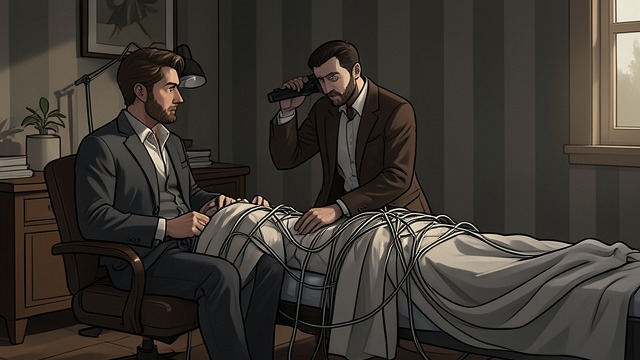
Hermann’s Changing Body
Physical Decline
Hermann’s body grows weak, painful, and eventually paralyzed. The narrator watches a once imposing man become dependent on care and medication.
Intimacy and Fear
His illness brings his son closer while making every touch an encounter with suffering. The body carries both the father’s remaining presence and the approach of death.
The Buried Dog
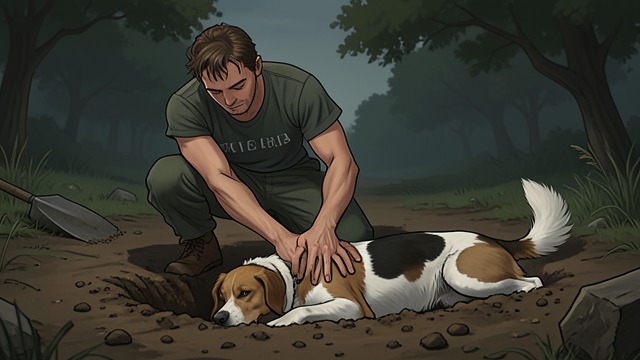
The Buried Dog
Weight and Form
Joachim(Jocki) finds the dead dog easier to carry than he expects. In the grave, its familiar body seems smaller, duller, and already altered.
The Body Returns to Soil
He covers the head with his hands and fills the hole. Burial makes the body’s material end undeniable while giving the narrator a task of care.
During childhood beach visits
During the daily walks through Hesterberg
During the accidental blood pact
During his terminal illness
After the dog’s euthanasia
