
Death and the Work of Burial
Wann wird es endlich wieder so, wie es nie warThis flow traces how childhood funerals teach Joachim(Jocki) that death is both physical fact and a ritual made by the living.
increasing Bearing strength in each event
 decreasing
Bearing strength in each eventdecreasingThe First Dead Man
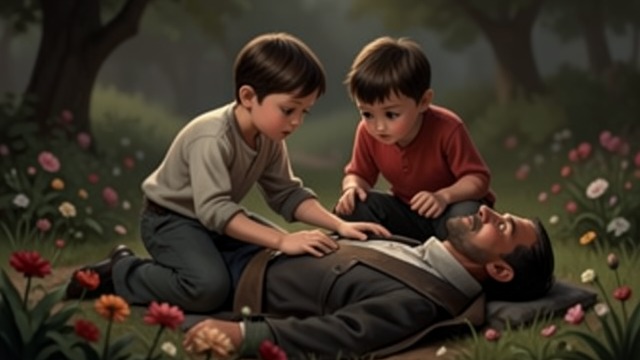
The First Dead Man
Encounter
Joachim(Jocki) sees a man lying in a flower bed and immediately knows he is dead. He does not first seek help; he runs to school with the discovery.
A Child’s Ownership
The boy feels the body is somehow meant for him. His response reveals not cruelty but an intense, unformed curiosity about death.
The Bird’s Stillness
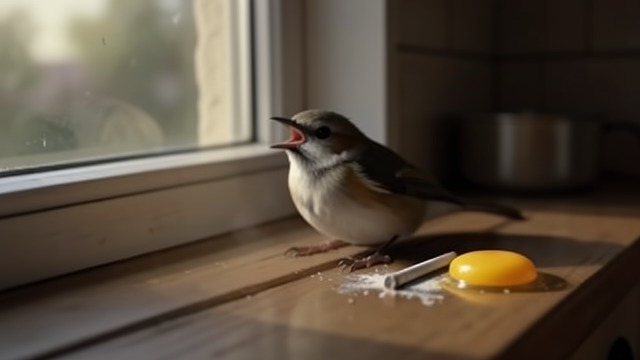
The Bird’s Stillness
A Window Collision
An Amsel hits the family’s glass door during breakfast. Hermann handles glowing cigarette ash while the family examines the bird, whose life seems to have ended instantly.
Sensory Association
The bird’s beak, the cigarette ember, and the egg yolk share a yellow-orange color. The child notices the connection before he can understand what it means.
The Homemade Funeral
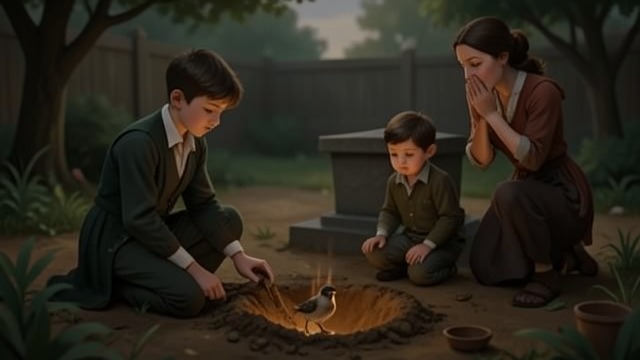
The Homemade Funeral
Sibling Ritual
The brothers bury the bird in their pet cemetery after debating whether to burn it. Their mother rejects cremation, and the middle brother delivers a theatrical funeral speech.
Real Grief
Joachim(Jocki) cries while covering the bird with earth. The ceremony is partly comic, but his sorrow is genuine and cannot be dismissed as play.
A Dog in the Earth
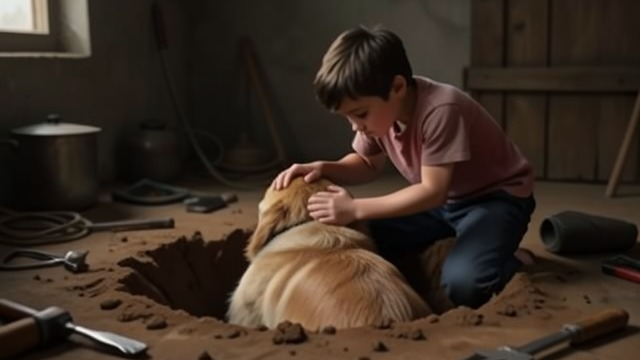
A Dog in the Earth
Burial by Hand
After the family dog is euthanized, Joachim(Jocki) drives its body to the cottage, digs an oversized grave, and lowers the animal into it.
Material Farewell
He covers the dog’s head with his hands and fills the grave. The work makes death concrete, as the beloved body becomes part of soil that will absorb it.
The Father’s Empty Bed
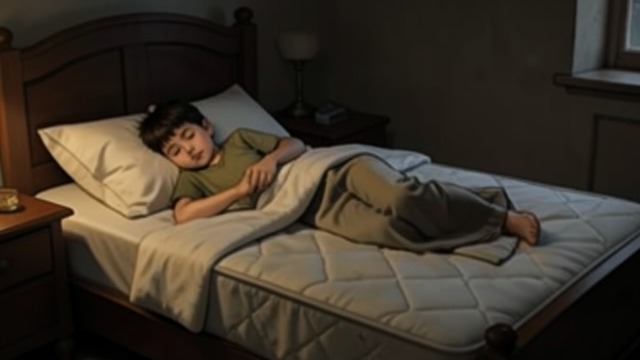
The Father’s Empty Bed
A Changed Body
Joachim(Jocki) finds Hermann dead after a night of severe pain. Later, he lies beside him and mistakes the heated mattress for his father’s warmth.
Death Becomes Irrevocable
Switching off the mattress reveals the body’s coldness and strangeness. The narrator learns that touch can briefly resist death, but cannot undo its finality.
At age seven
On Hermann’s fortieth birthday morning
At midday on the same birthday
Years after Martin’s death
The morning after Hermann’s final night
