Die Linie zu einer Fläche weiten
Wann wird es endlich wieder so, wie es nie warDie Linie zu einer Fläche weiten is the narrator’s image for how reworking the past can release the future from a fixed course. A line suggests a narrow, predetermined route; a surface offers space in which choices can take shape. The expression joins memory, mourning, and the possibility of decision in a single transformation.
From Line to Surface
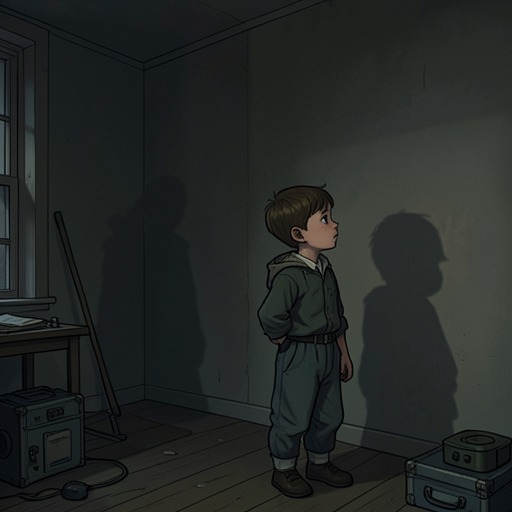
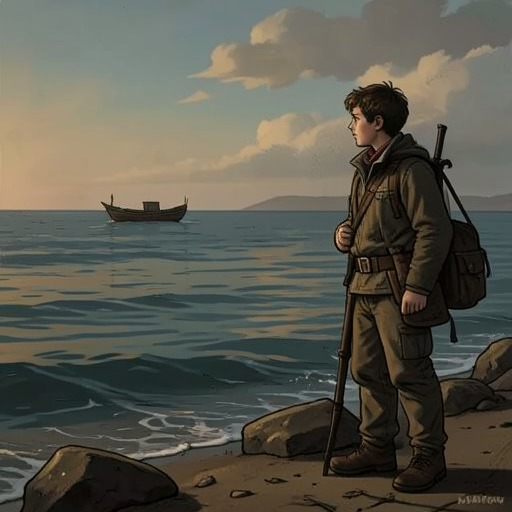
The image emerges from the narrator’s unease about time. The past may seem settled and verifiable, while the future appears to be what remains to be shaped; yet the narrator questions that division. The life ahead can feel like a route already tailored and unavoidable, a line to be followed cautiously to its end. Against that constriction, widening the line into a surface becomes a figure for opening up possibility.
Reworking the Past
That opening depends on revisiting what has been stored away. The narrator imagines unsnipping and unpacking parcels of memory, giving up the past’s apparent reliability and accepting—and shaping—it as chaos. This is not simply a claim that memory is uncertain: the past must also be actively formed, embellished, and celebrated. The expression therefore describes a creative labor directed backward, not merely a forward-looking hope.
Memory, the Dead, and Choice
The imagined work of memory includes bringing all the narrator’s dead back to life—not as perfectly familiar figures, but as people who are also more independent and strange than the narrator had admitted. Only after this encounter, the narrator believes, will decisions become possible. The movement from line to surface thus links a changed relation to the dead with the future’s recovery of uncertainty: the future’s promise is fulfilled not by making it predictable, but by allowing it to remain open.