
Napoleon's Imperial Arc
War and PeaceNapoleon Bonaparte rises through revolution and war, converts success into a doctrine of personal greatness, and collapses when history no longer sustains his authority.
increasing Bearing strength in each event
 decreasing
Bearing strength in each eventdecreasingRevolutionary General
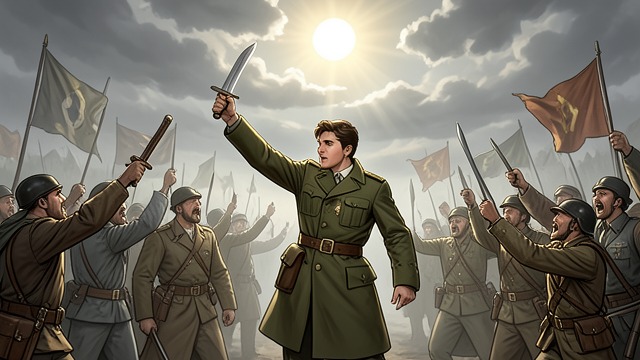
Emergence from Disorder
Napoleon Bonaparte rises from revolutionary turbulence through military success and political opportunity.
Personal Myth
His victories allow him to treat ambition as historical necessity.
New Authority
The general becomes the figure around whom France organizes its desire for order and glory.
European Conqueror
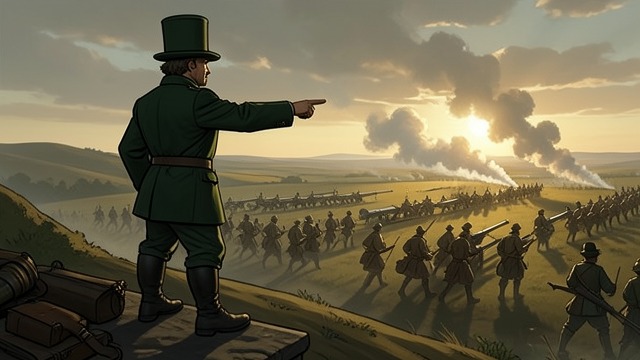
The Great Man
Napoleon Bonaparte defeats Austria and Prussia and turns military victories into diplomatic submission.
Imperial Spectacle
Courts, monarchs, and intellectuals help magnify his authority.
Historical Critique
The narrative repeatedly questions whether genius causes victory or merely receives its credit.
Imperial Rivalry

Friendship Turns to War
The relationship between Napoleon Bonaparte and Emperor Alexander I shifts from alliance to mutual suspicion.
Diplomatic Vanity
Letters and ceremonial honors conceal incompatible ambitions.
Escalation
The failure of negotiations becomes a pretext for the French invasion of Russia.
Moscow Illusion
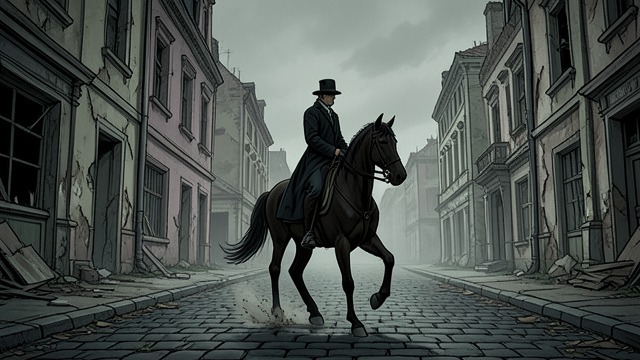
The Empty Prize
Napoleon enters Moscow expecting a symbolic triumph and a diplomatic surrender.
Absent Deputation
The city offers no boyars, no submission, and no intact civic order.
Imperial Isolation
His theatrical vision of magnanimous rule collapses into bewildered occupation.
Exile and Diminishment
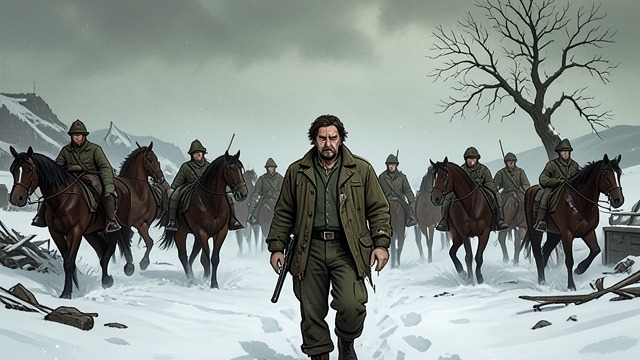
The Hero Disrobed
Napoleon's retreat destroys the aura that had converted ordinary decisions into supposed genius.
Loss of Army
The Grande Armée becomes a starving mob and abandons its emperor.
Historical Judgment
The narrative presents his final exile as proof that greatness without simplicity, goodness, and truth is theatrical illusion.
1790s before the novel's main events
1805-1809 during the Napoleonic Wars
1807-1812 between the Treaties of Tilsit and invasion
September 1812 after the French entry into Moscow
1813-1815 after the French retreat
