
Fear as a Weapon and a Cost
WaspThis thread examines how Mowry weaponizes fear while exposing himself and the population to its consequences.
increasing Bearing strength in each event
 decreasing
Bearing strength in each eventdecreasingA State Built on Fear
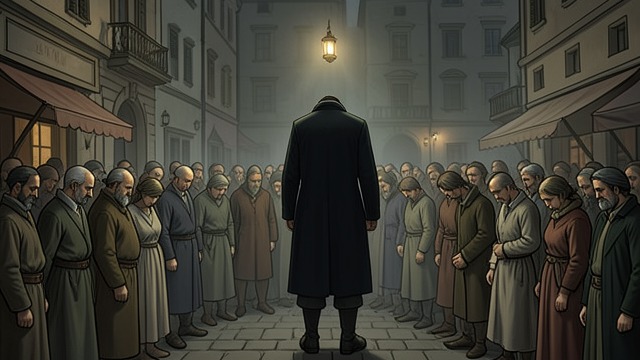
Fear Before Rebellion
Silence as self-preservation
Citizens avoid direct dissent because the Kaitempi can make careless words dangerous. Mowry recognizes that a fearful population may still contain widespread dissatisfaction.
The weakness of intimidation
The regime’s control suppresses speech but cannot guarantee consent. That gap gives psychological warfare a place to begin.
Threats on Glass and Walls
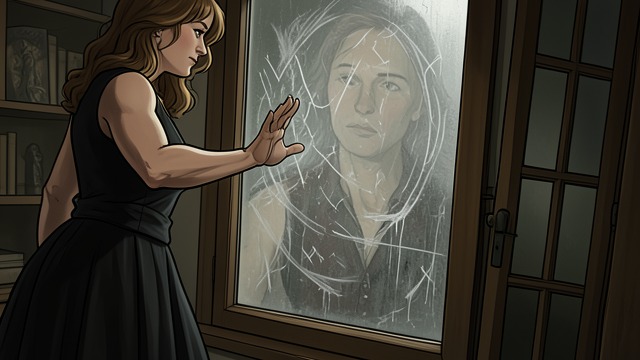
Fear Given a Surface
The message appears
D.A.G. threats appear on windows and walls, promising consequences for those responsible for the war. Their permanence makes the messages difficult to dismiss.
The audience supplies meaning
Readers do not know whether the movement is large, but its confident tone invites them to imagine hidden strength. Uncertainty becomes the campaign’s principal instrument.
The Ticking Parcels
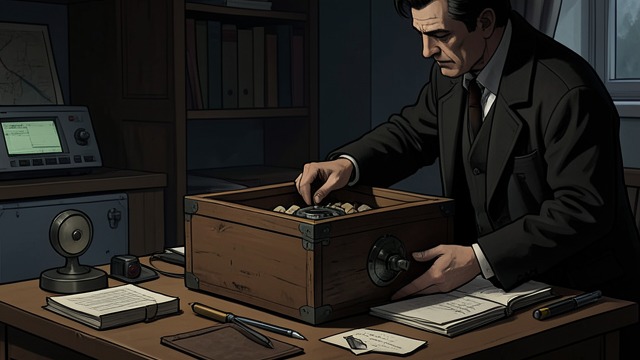
Anxiety Packaged for Delivery
A threat without an explosion
Mowry mails parcels containing clock mechanisms and warnings that two packages could kill many people. Their ticking suggests a bomb without providing proof.
Precaution becomes disruption
Officials must inspect the parcels and consider protective measures. The threat succeeds by compelling preparation, even before anyone knows whether it is real.
Rumor and Civilian Panic
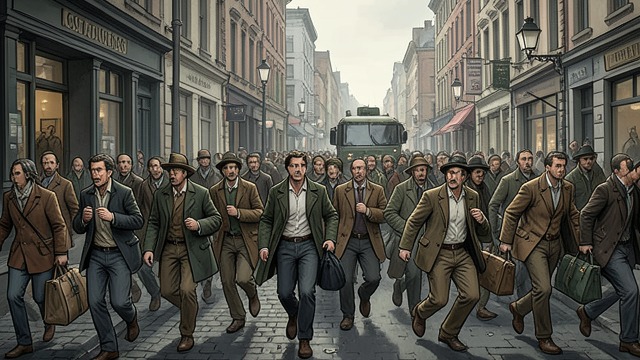
Fear Spreads Beyond the Target
Disaster enlarged
Mowry describes devastation at Shugruma and danger to Gooma beyond what official accounts admit. The stories turn uncertainty into an expectation of further attacks.
The price of success
Citizens flee and the government rounds them up. Psychological pressure harms the regime’s control, but it also transfers fear to ordinary people who have little power over the war.
The City’s Emergency
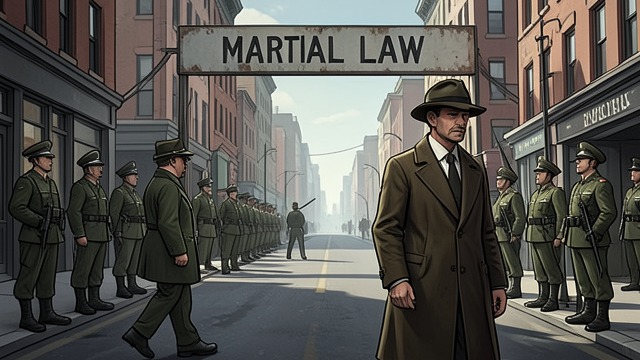
Fear Institutionalized
A city under restriction
Pertane declares martial law and blocks travel, converting anxiety into checkpoints, searches, and military orders. The state’s answer makes danger part of daily life.
A moral ambiguity
Mowry’s strategy aims to overload an oppressive system, yet its instruments include terror and deception. The distinction between weakening a regime and frightening its civilians remains unresolved.
During Mowry’s first survey of Pertane
During the opening propaganda campaign
After Mowry’s return to Pertane from Radine
After the Shugruma bombing
After the prison extraction
