
The Limits of the Wasp Strategy
WaspThis thread explores how asymmetrical warfare produces real disruption while exposing the limits and costs of Mowry’s methods.
increasing Bearing strength in each event
 decreasing
Bearing strength in each eventdecreasingA Theory of Disproportion
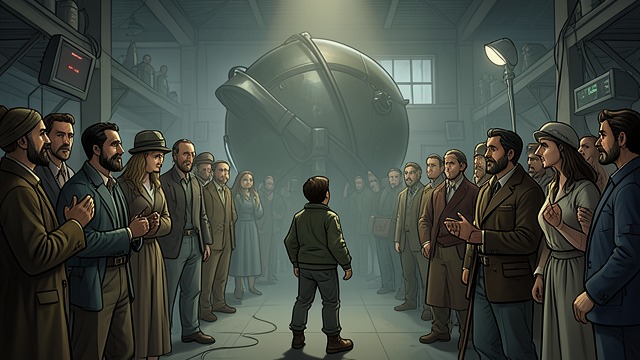
Leverage Without Mass
The examples of small forces
William Wolf argues that a single person or minor irritant can produce consequences far larger than its apparent strength. The wasp becomes an emblem of disproportionate influence.
A theory tested by action
Mowry must turn that proposition into practical disruption. The strategy promises leverage, not invulnerability, and depends on judgment rather than sheer force.
The Cost of Being Seen
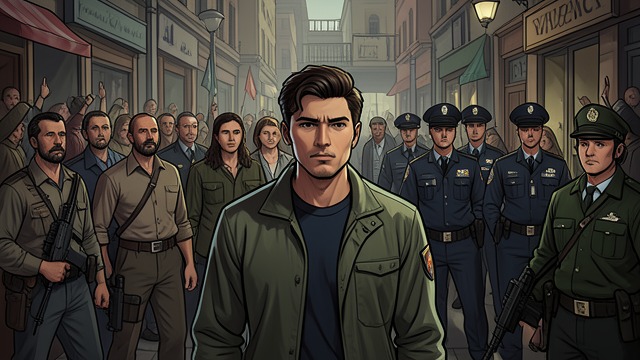
Visibility and Vulnerability
Public attention is useful
Mowry wants the stickers noticed and repeated. Their success depends on making D.A.G. visible without revealing the person placing them.
Every spectacle risks exposure
Crowds, police, and shopkeepers create opportunity but also potential witnesses. The campaign succeeds only while Mowry can shape attention without becoming its object.
A Phantom Becomes a Burden
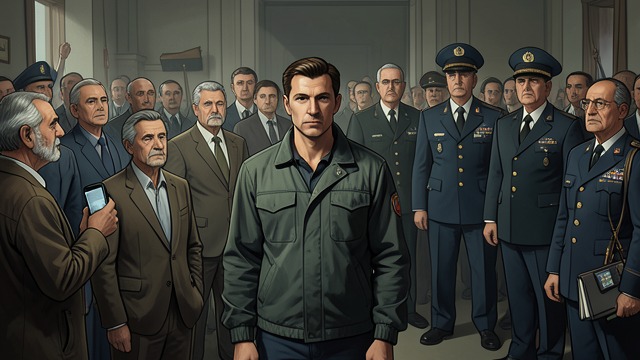
Success Brings Retaliation
The state mobilizes
Registration laws and snap-searches show that the government believes D.A.G. deserves attention. The campaign has produced a response but cannot control its scale.
Pressure spreads outward
Ordinary citizens face scrutiny, and Mowry must change identities and lodging. Disruption makes the enemy spend resources, while also making the operative’s own life more dangerous.
The Operative’s Independent Choice
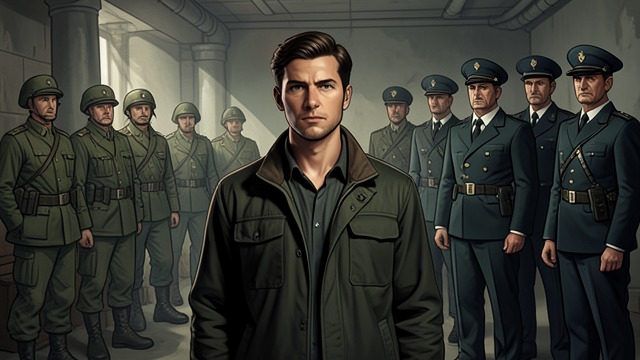
Discipline Versus Pride
Headquarters might withdraw him
Mowry considers reporting after his flight but anticipates being replaced. He resents the possibility that the service will interpret withdrawal as failure.
Strategy becomes personal
He chooses to remain and pursue further disruption. The decision shows the danger of a doctrine that relies on initiative: the operative’s pride can become entangled with the mission.
The Cache’s Final Lesson
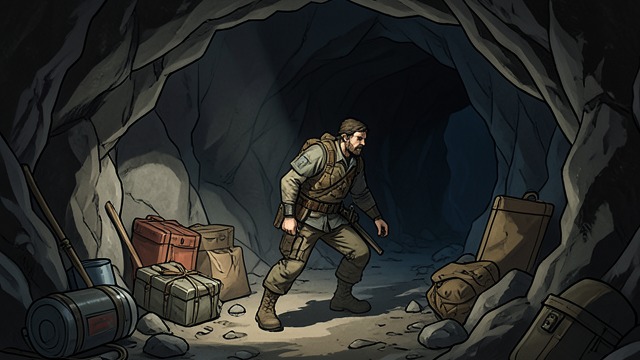
A Wasp Can Be Ground Down
The base fails
The warning ring gives no signal and Mowry hears an intruder near the cave. He retreats, abandoning the supplies that enabled his campaign.
Limits made physical
The enemy has not caught him, but the loss of food, communication, and equipment sharply reduces his capacity. Asymmetrical advantage cannot erase dependence on shelter and material.
At the opening interview
During Mowry’s early sticker campaign
After the government begins mass searches
After escaping Radine
After the forest hideout is discovered
