
The Ethics of Force
WatchmenThis flow compares the novel’s competing ideas of justified force, exposing how violence repeatedly escapes the purposes used to defend it.
increasing Bearing strength in each event
 decreasing
Bearing strength in each eventdecreasingForce Against Empire
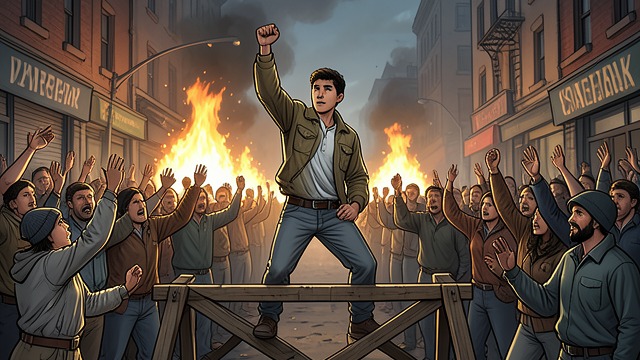
Force Against Empire
Merdon’s Principle
Merdon believes that Terran authority responds only to force. Demonstrations have failed, so armed resistance appears to him both necessary and morally clean.
His principle is expressed through the slogan “Freedom or death.” It gives courage to young fighters, but it also turns compromise into betrayal.
The Hidden Cost
The arrival of the Komani reveals that force does not belong to the person who invokes it. Once violence becomes the instrument of politics, stronger users can seize it.
Force as Restraint
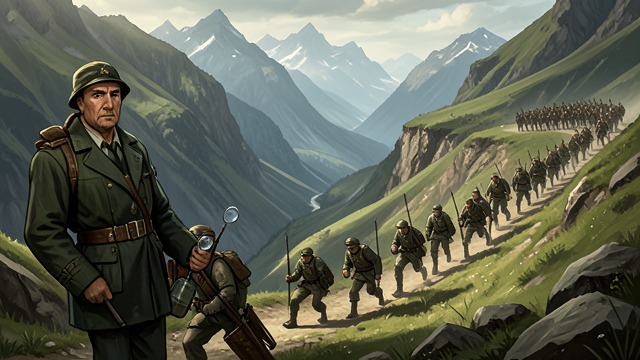
Force as Restraint
Refusing the Battle
Emil Vorgens uses military power to avoid a larger battle. The Breakout from Carmeer is a tactical operation designed to preserve lives and prevent the defeat that would trigger galactic war.
His approach does not reject force completely. It places force under a strategic purpose: survival, time, and the possibility of negotiation.
A Different Warrior
Vorgens becomes authoritative precisely because he does not enjoy combat. His restraint distinguishes defense from the desire to prove superiority.
Force Without Meaning
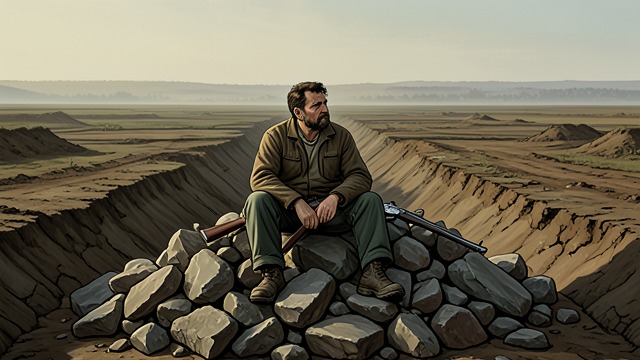
Force Without Meaning
Endless Fighting
The Terrans and Komani avoid decisive battles while raids, ambushes, and counterattacks continue. Each side can claim local success, but neither can produce peace.
Vorgens recognizes that a stalemate is not victory. The war consumes strength while leaving the underlying political question unresolved.
The Limit of Weapons
The novel’s ethical pressure comes from this failure. Military skill may prevent defeat, yet it cannot create a legitimate future for the people caught between empires.
during the Shinar Rebellion
during the Mobile Force breakout from Carmeer
during Shinar war of attrition
