
The Humanization of the Enemy
WatchmenThis flow traces how characters repeatedly discover that enemies possess memory, family, grief, and moral agency.
increasing Bearing strength in each event
 decreasing
Bearing strength in each eventdecreasingThe Komani Dead
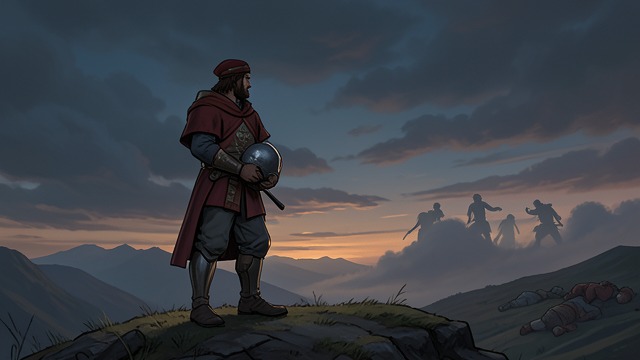
The Komani Dead
From Targets to People
Emil Vorgens hears the Komani funeral dirge after escaping captivity. The music forces him to imagine the warriors he killed as sons, fathers, and mourned members of a community.
Sittas’s presence reinforces the recognition that the Komani possess souls despite their violence.
Moral Disorientation
Vorgens’s military training has taught him to classify opponents. The funeral makes classification inadequate.
Wounded Enemies
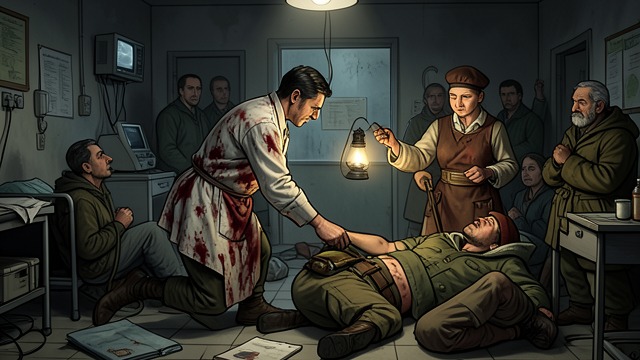
Wounded Enemies
Shared Suffering
The hospital at Matara shelters wounded Terrans, Komani, and Shinarians. Their injuries erase the political categories that made them targets.
Doctors and villagers care for bodies without asking which flag each patient served. The practical work of healing becomes a form of political education.
Sanctuary
Sittas declares that the hospital is outside the war. His claim protects the wounded from being converted back into prisoners.
The Enemy’s Memory
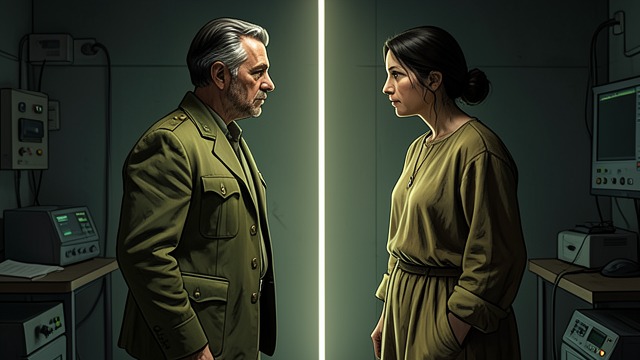
The Enemy’s Memory
Shared Childhoods
Hector H. Hector and Major Par Odal experience each other’s formative memories when their minds fuse. Military identity gives way to childhood fear, family loss, humiliation, and longing.
Each discovers that the other’s present behavior grew from experiences neither had known. Hatred becomes psychologically intelligible without becoming morally excusable.
Changed Action
Their later cooperation depends on this knowledge. They do not forget violence, but they can no longer pretend that the other is only a monster.
after the first cruiser battle
during the Matara hospital period
during Hector–Odal Mind Fusion
