
The Cost of Political Pride
WatchmenThis flow traces how pride repeatedly turns manageable disputes into wars and how humility creates the possibility of survival.
increasing Bearing strength in each event
 decreasing
Bearing strength in each eventdecreasingAikens’s Pride
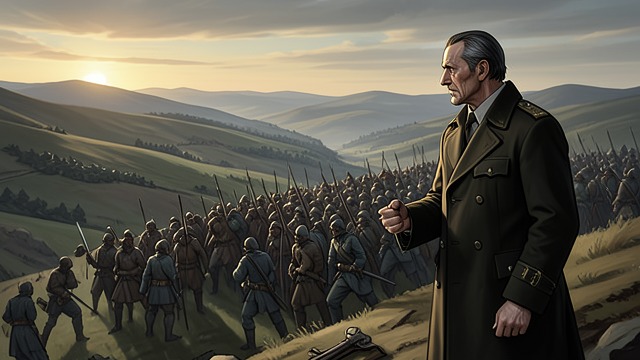
Aikens’s Pride
The Refusal to Retreat
Brigadier Aikens sees withdrawal as humiliation and believes his record proves that courage can overcome any numerical disadvantage.
His desire to repeat an earlier victory blinds him to the political consequences of defeat. He wants to meet Okatar on favorable emotional terms rather than strategic ones.
The Cost
Only Emil Vorgens’s intervention prevents Aikens’s pride from destroying the Mobile Force and triggering wider war.
Martine’s Pride
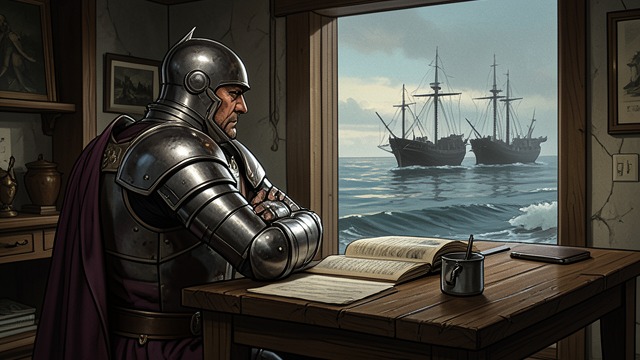
Martine’s Pride
Refusing Protection
General Martine rejects the Commonwealth alliance because accepting it would appear weak. His military identity makes deterrence look like dependence.
Sir Harold Spencer argues that a war avoided is more valuable than a war won. Martine hears the argument only after Kerak’s expansion makes neutrality untenable.
A Private Concession
His eventual permission for a Star Watch frontier presence shows that pride can yield without publicly admitting defeat.
Kanus’s Pride
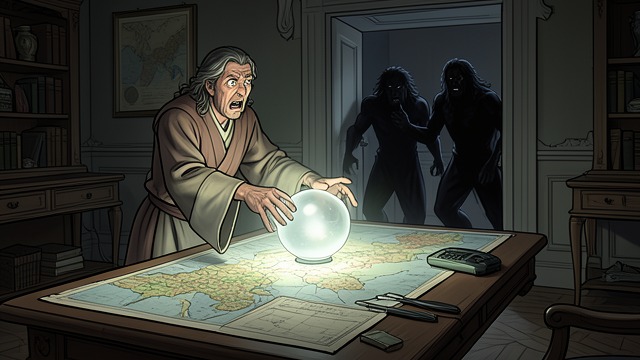
Kanus’s Pride
The Need to Dominate
Chancellor Kanus cannot accept limited power. He needs continual expansion because conquest confirms his authority and suppresses internal dissent.
His teleportation dream is the ultimate expression of this hunger: every distance and border must become irrelevant to his will.
Collapse Into Fear
When Romis, Odal, and Hector confront him, the self-proclaimed master of the universe becomes a frightened man seeking escape. Pride leaves him politically isolated.
during the Mobile Force encirclement at Carmeer
during the inaugural ball
during the Kerak Coup against Kanus
