
Julian’s Declining Life
We Have Always Lived in the CastleThis flow traces Julian Blackwood’s retreat into illness and memory, his conflict with Charles, and the grief his death leaves behind.
increasing Bearing strength in each event
 decreasing
Bearing strength in each eventdecreasingA Fragile Household Role

A Fragile Household Role
Dependence and care
Julian lives in a warm room beside the kitchen and depends on Constance for meals, comfort, and assistance. His illness confines him even as he remains part of the sisters’ daily rhythm.
Notes as work
He records details about the poisoning in an effort to complete a family history. The project gives his damaged memory a task and turns the tragedy into the subject he can still organize.
His vulnerability contrasts with the authority he claims as a narrator of the past. Care and authorship are the two remaining forms of agency available to him.
Memory’s Unsteady Return

Memory’s Unsteady Return
Confused mornings
Julian sometimes mistakes Constance for Dorothy and asks after John, speaking as if the old household still exists. His memories drift between accurate details and confusion about the present.
A record under pressure
He insists on noting meals, conversations, and small details from the day of the poisoning. The repeated narration reflects both his commitment to the record and his difficulty living outside the past.
His recollections preserve what the sisters do not discuss directly. They also show that remembering cannot restore the people or family structure that disappeared.
Charles Challenges the Manuscript
Charles Challenges the Manuscript
A dispute over the past
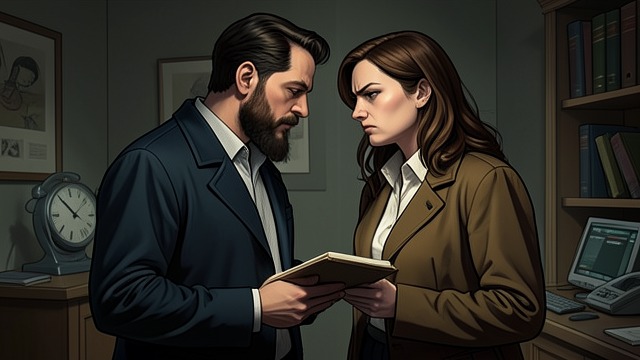
Julian questions Charles about the family’s conduct during the trial and wants him to contribute to his notes. Charles refuses, arguing that the painful history should be forgotten.
An assertion of dignity
Julian treats the refusal as an insult to his work and demands that Charles respect his right to remember. His inquiry becomes a struggle over who may shape the family story.
The conflict exposes a generational difference in how the tragedy should be handled. Charles seeks control through silence; Julian seeks meaning through detail.
The Last Night
The Last Night
An attempt to save his papers
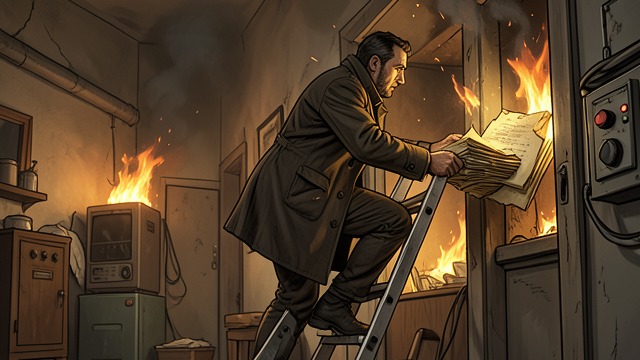
As the house burns, Julian wants to gather his manuscript and move it to safety. His attention remains fixed on the record even when the household faces immediate danger.
Death during the aftermath
After the mob disperses, Julian dies; Dr. Levy explains that his failing heart had been expected to give out. The crowd’s question about whether Constance killed him briefly repeats the old accusation.
His death closes the one surviving family voice devoted to documenting the poisoning. The sisters must now preserve his memory without the person who continually spoke it.
A Rose and a Pencil

A Rose and a Pencil
Memory given a place
Constance plants a yellow rosebush where Julian used to sit in the garden. Mary Katherine buries his initialled pencil by the creek so that the water will carry his name.
The household absorbs loss
The sisters preserve Julian’s papers in a box and keep his memory through small acts rather than public ceremony. His room becomes available for use, but Mary Katherine still hesitates to enter it.
These gestures convert grief into domestic and magical ritual. Julian is gone, yet his presence remains attached to the land and the sisters’ new routines.
At the opening of the story
On the weekend before Charles arrives
During Charles’s first breakfast in the house
On the night the fire draws the Village to the house
In the weeks after Julian’s funeral
