“We are on the moon”
We Have Always Lived in the CastleThe phrase “We are on the moon” gives Mary Katherine Blackwood and Constance Blackwood a language for surviving loss and upheaval. It begins as Mary Katherine’s imaginative description of their hiding place in the woods, but becomes a shared account of where they are and how they will live: not literally on the moon, but safely apart, within a domestic world they can still arrange for themselves.
First Use in the Woods
After the people gathered at the house have begun to leave, Mary Katherine draws Constance into the darkness and leads her along the mossy path to her hiding place. She has prepared it with a fresh pile of leaves and a blanket, and covers Constance with Julian Blackwood’s shawl. Jonas is already there, purring in the corner. Mary Katherine blocks the entrance with branches, making the small shelter a place the departing visitors cannot see.
The moon is not introduced as a new physical destination. Mary Katherine has already imagined that someday the two sisters will go there; now, with Constance beside her in the concealed shelter, she can declare that they have arrived. The claim converts a future wish into an immediate comfort. The leaves, blanket, shawl, cat, and hidden entrance are tangible; the moon is the imaginative name that gathers these protections into a destination. The phrase lets Mary Katherine present flight from the house not as homelessness, but as reaching a refuge she had already pictured.
That refuge carries both tenderness and unease. Mary Katherine thinks of keeping Constance safe and warm, bringing her fruit and water, and telling her stories. Yet, after remembering one of their mother’s broken Dresden figurines, she says she will put death in the food of those who have harmed them. The moon-language therefore accompanies a mind that moves between care for her sister and threatening thoughts about others. It does not erase the surrounding violence; it makes a private world in which the sisters can withdraw from it.
Constance Accepts the Image
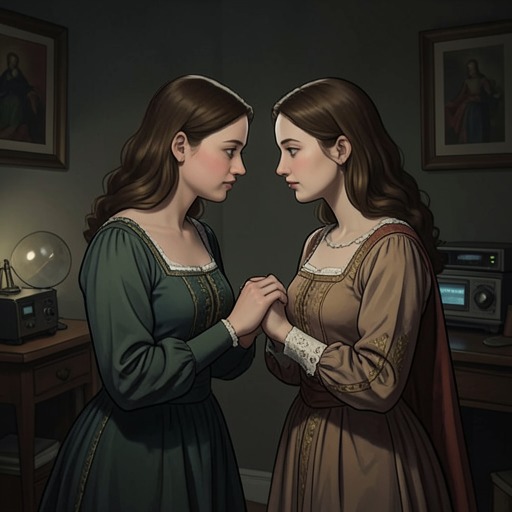
When daylight comes, Mary Katherine enters the hiding place to be near Constance as she wakes. Constance first looks at the trees above her, then at Mary Katherine, and smiles. Mary Katherine tells her that they are on the moon at last. Constance says she thought she had dreamed everything, and Mary Katherine insists that it really happened. Their exchange gives the phrase a shared, conversational form: Mary Katherine supplies the imaginative frame, while Constance responds from within it.
Constance also recognizes the cost and reality of what has happened. She remembers Julian and understands that they stayed in the hiding place while he was taken away during the night. Then she tells Mary Katherine she is glad to be there and thanks her for bringing her. The gratitude matters: the moon is not only Mary Katherine’s private fantasy imposed on her sister. In this moment, Constance accepts the shelter and the language offered to describe it.
The scene keeps the metaphor close to bodily particulars. Constance has leaves in her hair and dirt on her face; Jonas stares at her, unused to seeing her dirty. Her changed appearance marks a departure from the familiar order, while the sisters’ exchange turns that disturbance into a form of companionship. When Constance asks what they will do, Mary Katherine answers that they must neaten the house, although it is not the usual day. Their first response to a supposed lunar life is thus still a domestic routine.
A Metaphor Made Livable
Later, Mary Katherine admits that the moon is not quite as she had supposed, even as she calls it a very happy place. The difference between expectation and experience does not undo the image; it makes it adaptable. Constance brings breakfast to the table—scrambled eggs, toasted biscuits, and blackberry jam—and thinks practically about securing more food and not leaving the garden’s produce ungathered. Mary Katherine answers with an extravagant picture of a winged horse bringing cinnamon, thyme, emeralds, clove, cloth of gold, and cabbages. The fanciful language coexists with provisions, meals, and the work of making their shelter sustainable.
The moon consequently comes to name a life made from familiar objects and repeated tasks, rather than an escape from all ordinary needs. Food must be gathered and stored; breakfast is served; the house must be neatened. The sisters’ routines do not contradict the imaginative refuge. They give it a daily structure, allowing the idea of being elsewhere to coexist with the practical business of remaining in their damaged home.
The Phrase as a Shared Ending
When Charles Blackwood finally leaves, Constance and Mary Katherine laugh together in the dark hall, holding each other as his car drives away. Constance says she is happy; Mary Katherine answers that she had told her she would like it on the moon. In this later use, the phrase recalls the hiding place and their first night there, but its reach has widened: it now names the life the sisters have established together after Charles’s departure.
The ending’s moon is therefore both make-believe and an emotional truth. The sisters have not gone anywhere in a literal sense, and their house still bears the marks of fire and damage. Yet Mary Katherine’s phrase gives their chosen seclusion a positive form, and Constance’s happiness confirms that the refuge belongs to both of them. Repeated from the woods to the house, “We are on the moon” transforms an imagined escape into a shared description of home.