Maria–Bernardo
West Side StoryMaria–Bernardo is the bond between a sister and brother caught on opposite sides of a gang conflict that ends with Bernardo’s death at the hands of Maria’s lover, Tony. The relationship’s decisive significance lies in the grief that follows: Maria does not deny her brother’s place in her life, but neither does she treat his death as a reason to abandon the love she feels for Tony or the broader compassion she wants to extend to the world.
Siblings Within a Divided Community
Bernardo is Maria’s brother, and the two are embedded in a conflict divided along the lines of the Sharks and the Jets. At the dance, Bernardo arrives with Anita, while Tony Wyzek enters with Riff Lorton and Action; the two gangs’ opposing formations make the divisions around Maria’s family visible before the violence reaches its most intimate consequence. Bernardo later accepts the Sharks’ proposed duel, acting as one of the group’s leaders. The evidence does not show Maria directing his decisions, but it establishes the public conflict in which their sibling bond is caught.
Bernardo’s Death and Maria’s Grief
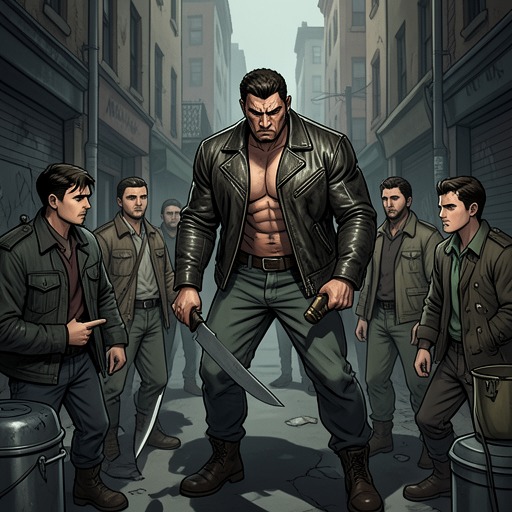
When Tony tries to stop the fight, Bernardo kills Riff. Tony then takes up a knife and fatally wounds Bernardo. Maria is not present at the killing, and Chino Martin is the one who tells her what has happened. At first, she rejects the news, insisting that Chino is lying; when he says Tony has killed her brother, her response reveals the force of the rupture. Her disbelief is not indifference to Bernardo, but the shock of having her love for Tony set against the loss of her brother.
Love, Responsibility, and Mourning
When Maria and Tony meet again, she recalls that she had asked him to go to the confrontation by making him promise to do so. Tony has killed Bernardo, and he asks whether that means nothing to her because Bernardo was her brother and Tony was the one who killed him. Maria does not erase either fact. She acknowledges the contradiction directly: Bernardo was her brother, and Tony is the man she loves. Her grief can encompass Bernardo without turning against Tony; she says she can mourn the whole world, not only the people she knows.
That breadth of feeling gives the relationship its tragic moral dimension. Maria also tells Tony that he had wanted to change, unlike Bernardo and Riff, whose lives she sees as consumed by reciprocal violence. Her judgment does not make Bernardo less her brother or his death less painful. Instead, she holds kinship, grief, and her hope for Tony’s change together, refusing the gang conflict’s demand that loyalty to one person require hatred of another.
The Relationship’s Tragic Meaning
Bernardo’s death changes the sibling relationship from a living bond into a grief Maria must carry alongside her love for Tony. The scene makes that coexistence explicit rather than resolving it: she can mourn her brother and love the man who killed him, while recognizing that Tony went to the fight because she had sent him there. The sibling bond therefore stands at the center of the story’s human cost. Gang allegiance turns public hostility into a private catastrophe, but Maria’s response resists the same narrowing of feeling that sustains the violence.