Tony leaves the Jets
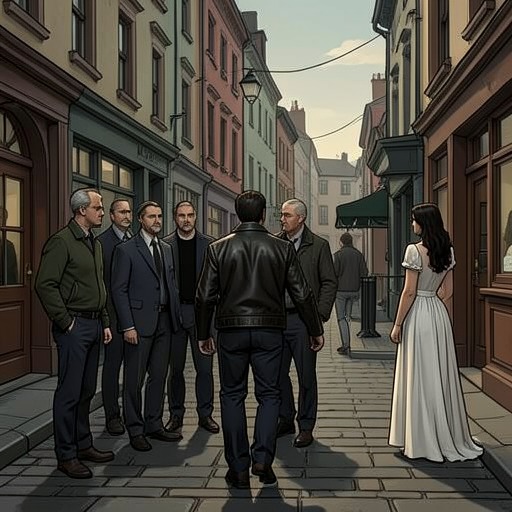
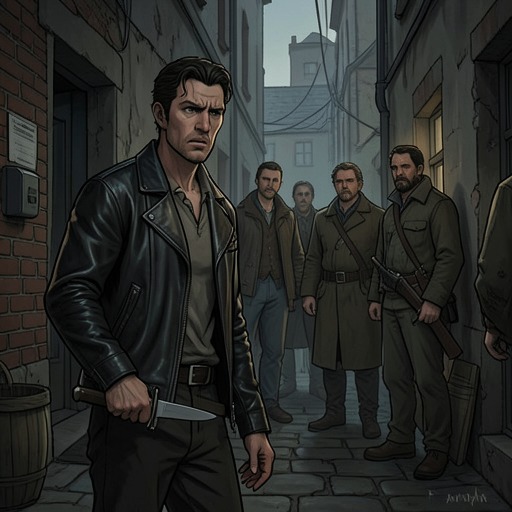
West Side StoryTony leaves the Jets not after a public showdown but through a private break with the identity that had once made him their leader. A night of restless travel and solitary thought exposes how little that status has changed his view of himself; by morning he has begun a different life, though shame and uncertainty keep him from explaining the change to his former companions.
The Dissatisfaction Behind the Decision
The change begins during a night when Tony is alone on the subway. He feels a diffuse discontent and a stubborn sense of inferiority that even being leader of the Jets cannot erase. The gang’s talk of being the greatest men in the world offers no answer: Tony judges himself ignorant, conscious that he knows almost nothing and that staying on the same course will leave him ignorant still. His thought that there must be something better makes departure less a reaction to one quarrel than a rejection of the limits of the life he has been living.
Later that same night, Tony rides train after train, crossing from Brooklyn to the Bronx, then to Queens and Manhattan. Back in his neighborhood on Columbus Avenue, he climbs the dark stairway of his building and sits on the roof until dawn. The long journey through the city ends in stillness rather than in a confrontation with the gang; the night on the roof becomes the last one he spends as a Jet and as its leader.
Work and a New Obligation
The next morning, Tony looks for a job, and Doc offers him work at Doc's drugstore. By the time he thinks back on leaving, he has been working there for four months. He is unsure whether Doc hired him because he was cheaper than the other people Doc might have employed, a doubt that tempers any sense that the new position represents a confident or settled choice. Still, the job gives his departure a practical form: Tony has moved from leading the Jets to working in the neighborhood drugstore.
His mother is pleased with the change, even if the Jets are not. Tony feels ashamed—another new feeling—and thinks it is time he finally did something to make her happy. That concern gives his break with the gang a personal consequence beyond his own dissatisfaction: leaving opens the possibility of acting for someone whose approval matters to him.
Separation from the Jets
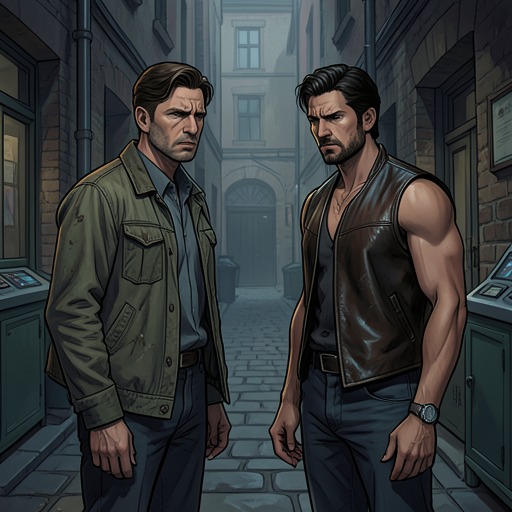
Tony does not know how to admit to the Jets, or to anyone, the emotional confusion that led him to leave. Rather than explain it, he chooses what seems the simplest course and sends Riff, Ice, and Action away; they have since taken over the Jets. His withdrawal is therefore both a change in allegiance and a retreat from the conversation that might make the change intelligible to his former friends.
The contrast between Tony’s former authority and his present hesitation defines the departure. He had been able to lead the Jets, yet their claims of superiority could not answer his private conviction that he was ignorant or show him a better direction. Leaving gives him work and a chance to please his mother, but it does not immediately give him a language for what he wants. The break is decisive in practice and unresolved in feeling.