
Stories Women Are Allowed to Tell
What Are You Going ThroughThis thematic thread follows the novel’s attention to women’s experiences that are dismissed, sentimentalized, or reduced to familiar plots.
increasing Bearing strength in each event
 decreasing
Bearing strength in each eventdecreasingA Lecture Seen Through Gender
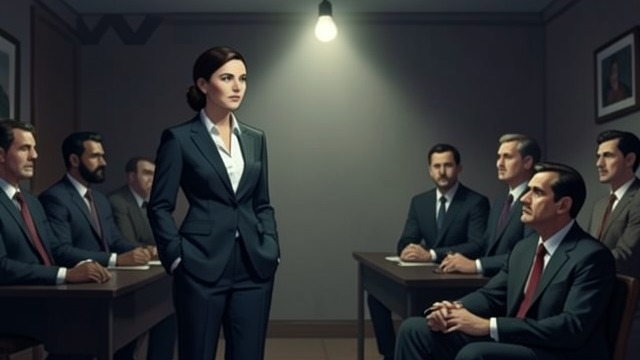
A Lecture Seen Through Gender
A woman introduces the speaker
The narrator notices the department head’s appearance and the work she seems to do to remain desirable while holding authority. Her sharp appraisal exposes the social terms imposed on women in public life.
Intelligence and display
The narrator remembers jokes and compliments that turn women’s brains or bodies into spectacles. The scene establishes how gender shapes who is taken seriously and under what conditions.
Women’s Stories Dismissed
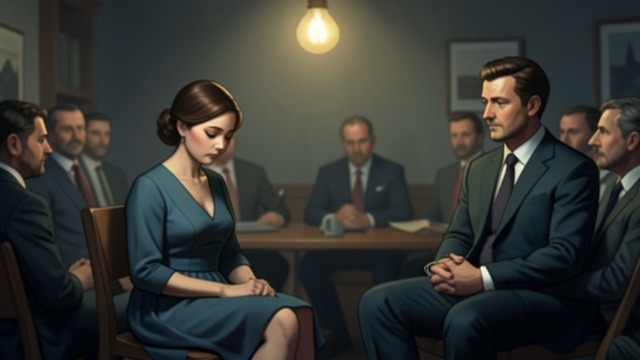
Women’s Stories Dismissed
Ordinary lives devalued
The narrator recalls how stories about women’s emotional turmoil were dismissed as banal female concerns. A group of women in a book could be described as women’s fiction rather than as a whole world.
A literary hierarchy
The dismissal narrows what readers consider significant. By recalling the women’s difficult interior lives, the narrator challenges the assumption that only grand public events deserve serious attention.
Carrington’s Unreturned Love
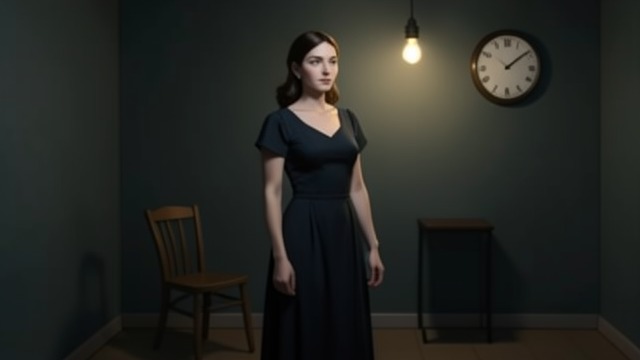
Carrington’s Unreturned Love
Devotion outside convention
Dora Carrington loves Lytton Strachey despite his homosexuality and marries another man while remaining devoted to Strachey. The three share a life that resists ordinary romantic categories.
A life reduced to tragedy
After Strachey’s death, Carrington dies by suicide. The narrator observes that public memory often defines her by her impossible love rather than by her painting.
A Male Writer’s Caricature
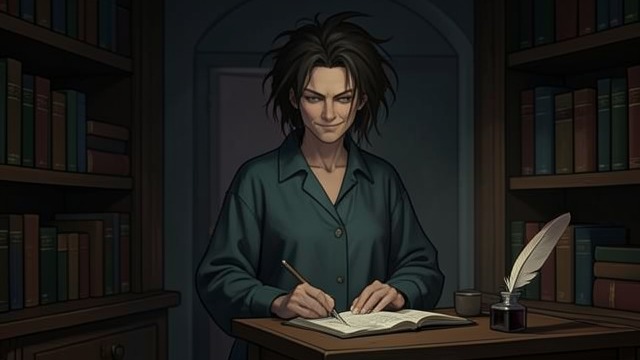
A Male Writer’s Caricature
A woman turned into a type
D. H. Lawrence portrays a character apparently modeled on Carrington as a lascivious caricature and later depicts a similar woman as a victim of sexual violence. The fictional accounts distort the complexity of an actual artist’s life.
Authority over women’s stories
The contrast raises the question of who gets to narrate women’s desire and suffering. Fiction can preserve experience, but it can also convert a woman into a warning or spectacle.
The Unfinished Collection
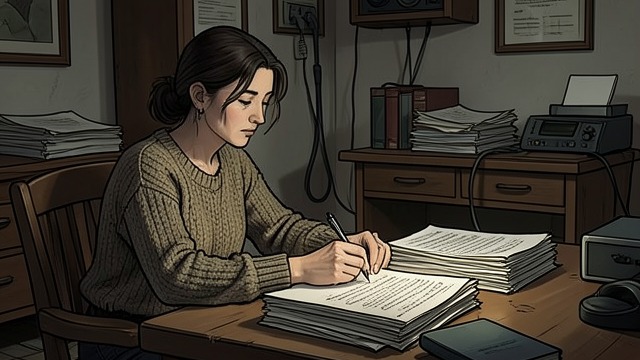
The Unfinished Collection
Strange love as subject
The narrator imagines a collection of stories about women whose love is unconventional, hopeless, or difficult. She is drawn less to romance conventions than to lives shaped by attachment and loss.
A wider literary claim
Women’s stories are not lesser because they concern private life. Their emotional contradictions can expose structures of power and desire as clearly as public history does.
At the opening campus event
During the discussion of Ingeborg Bachmann
In the account of Dora Carrington’s adult life
After Carrington’s story is introduced
Near the middle of the book
