
Fairy Tales and the Shape of Reality
What Are You Going ThroughThis thematic thread follows the book’s contrast between formulaic closure and the deeper, unsettling truths that fairy tales preserve.
increasing Bearing strength in each event
 decreasing
Bearing strength in each eventdecreasingMysteries Without Closure
Mysteries Without Closure
The ending matters less
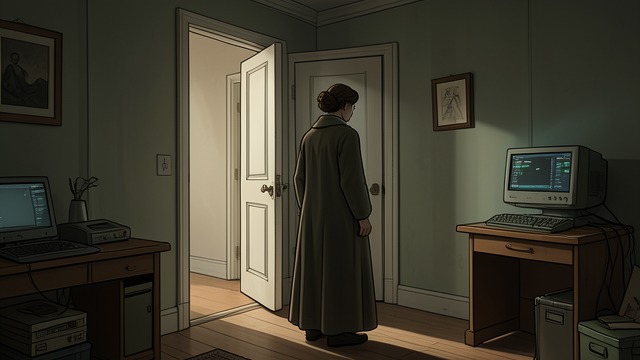
The narrator says that she is often less interested in how a mystery ends than in the characters and circumstances along the way. Justice can feel like the least compelling part of a plot.
Life resists resolution
Her preference echoes the book’s wider reluctance to make death, family conflict, or grief culminate in a satisfying solution.
Crime and Love Together
Crime and Love Together
A story changes perspective
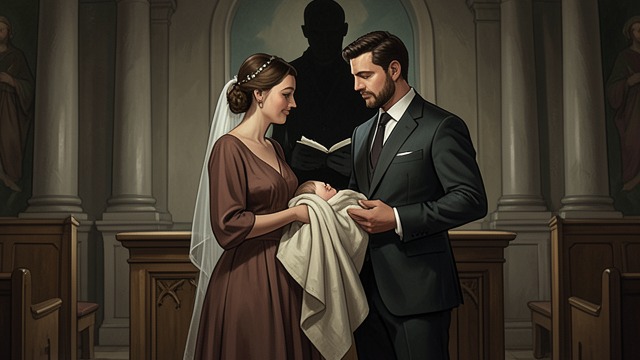
The mystery eventually reveals that its narrator is fictionalizing events and hiding a terrible secret connected to a dead infant. A wedding approaches, but confession may destroy the promised happiness.
No clean genre boundary
The friend calls the ending a twist and observes that a novel may be both a crime story and a love story. Suspense arises from what characters conceal from one another.
Faulkner’s Demand
Faulkner’s Demand
A writer asked to lift people
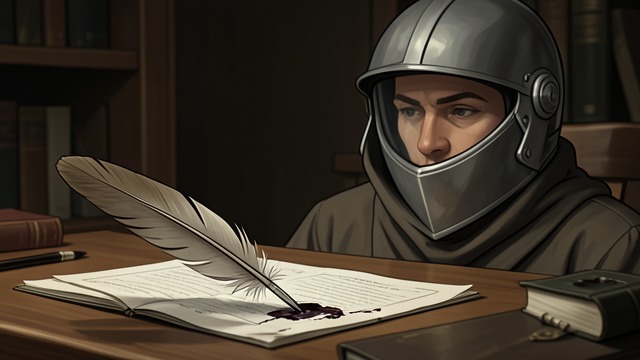
The friend recalls William Faulkner’s call for stories grounded in love, honor, pity, pride, compassion, and sacrifice. She asks what happened to the idea that writing should raise its readers.
A complicated inheritance
The narrator admires the words but doubts that writers can act as knights in shining armor. The ideal remains valuable without becoming an easy answer to suffering.
The Turn to Fairy Tales
The Turn to Fairy Tales
A new reading choice
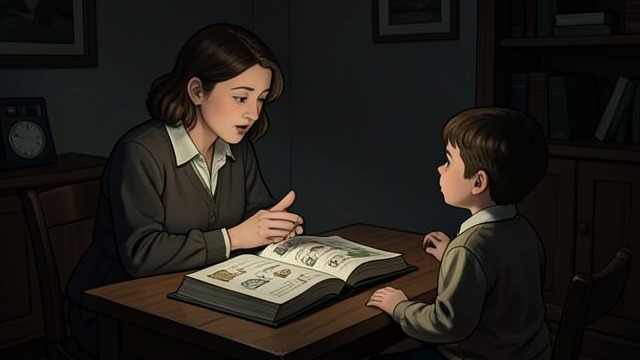
The narrator reads folk and fairy tales aloud after the friend loses interest in contemporary novels. The friend wants stories that do not dwell only on modern horror or sentimental consolation.
Truth beneath formula
The friend argues that fairy tales are not escapist because children know what it means to live at the mercy of arbitrary forces. Their simple patterns can hold deep truths about fear and hope.
The Swan’s Missing Wing
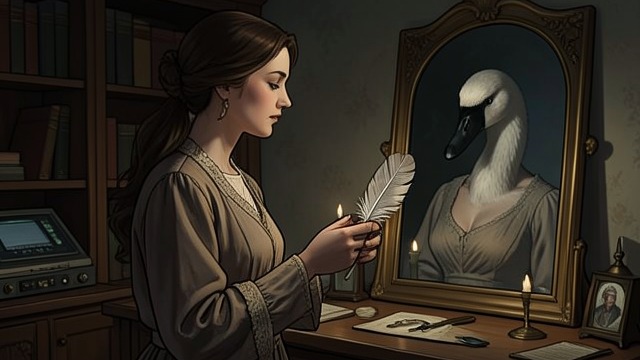
The Swan’s Missing Wing
A chosen difference
The narrator says she wanted to be the brother in a tale who keeps one swan wing after being turned human again. The friend calls him a freak; the narrator describes him as different.
A self recognized
The exchange makes difference feel less like a flaw than a condition worth keeping. The story’s transformation does not erase the past completely, leaving a trace of otherness within ordinary life.
During the narrator’s first reading of the paperback
During the friend’s reading sessions
During the friend’s discussion of contemporary fiction
After the friend can no longer read easily
During their conversation about favorite fairy tales
