
The Father and Daughter at the Bar
What Are You Going ThroughThis subplot traces a bereaved daughter’s attempt to have her caregiving recognized by a father who keeps returning to the dead mother’s suffering.
increasing Bearing strength in each event
 decreasing
Bearing strength in each eventdecreasingAn Unveiling Night

An Unveiling Night
A private conversation overheard
At a cafe, the narrator hears a father and daughter discuss the unveiling of the mother’s grave. The father speaks quietly; the daughter grows louder.
Two memories of illness
The father returns to how hard the illness was for his wife. The daughter insists that she was present throughout and wants her own experience included.
The Daughter’s Unseen Labor

The Daughter’s Unseen Labor
Care without acknowledgment
The daughter says she managed everything while her parents worried about each other. She understands their pain but believes her own needs were pushed aside.
A request for recognition
She says a therapist connects her current problems to that unaddressed period. Her claim is not that her parents did not suffer, but that their suffering obscured hers.
The Father Changes Subject

The Father Changes Subject
A familiar refuge
When the daughter asks for acknowledgment, the father shifts to whether the memorial service went well. The practical question displaces the emotional one.
An unresolved appeal
The narrator cannot see the pair and does not know what followed. Their exchange echoes the novel’s recurring problem: people may be near one another without truly receiving what the other is going through.
The Narrator’s Unspoken Recognition
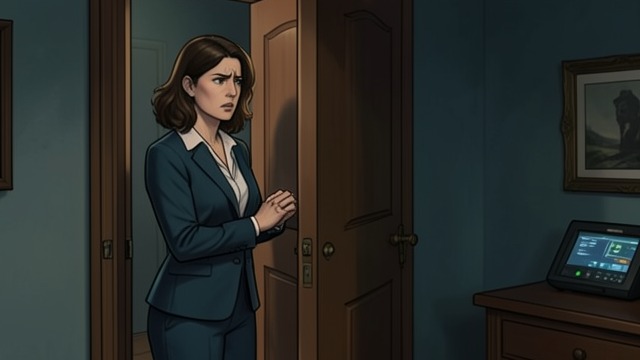
The Narrator’s Unspoken Recognition
A listener without a role
The narrator overhears the argument but cannot intervene. The strangers’ grief joins the accumulation of other people’s pain she encounters that day.
Attention without possession
The scene does not grant her access to the family’s full history. Listening makes their distress present, while leaving its resolution outside her knowledge.
A Parallel to the Friend
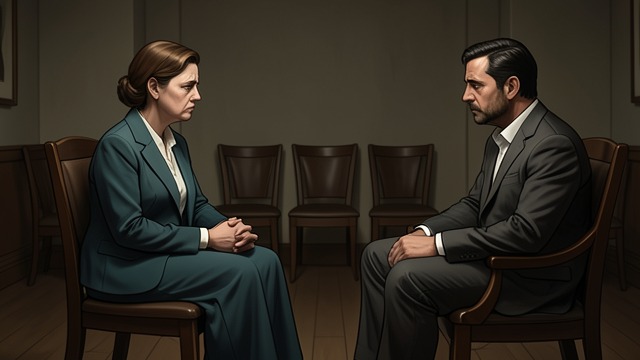
A Parallel to the Friend
Caregiving can disappear
The daughter’s account resembles the friend’s later reflections about family, illness, and being unseen. In each case, one person’s suffering occupies the space where another hopes to be recognized.
No easy verdict
The brief scene provides no proof that either parent or child is wholly right. Its force comes from the painful possibility that love and neglect can coexist in the same family.
The narrator’s first evening in town
During the conversation after the unveiling
At the end of the cafe conversation
After leaving the cafe
As the narrator later reflects on the overheard exchange
