
The Mother and Daughter at the End
What Are You Going ThroughThis emotional thread traces the painful distance between mother and daughter as illness makes a final reconciliation possible but not obligatory.
increasing Bearing strength in each event
 decreasing
Bearing strength in each eventdecreasingA Relationship of Disappointment
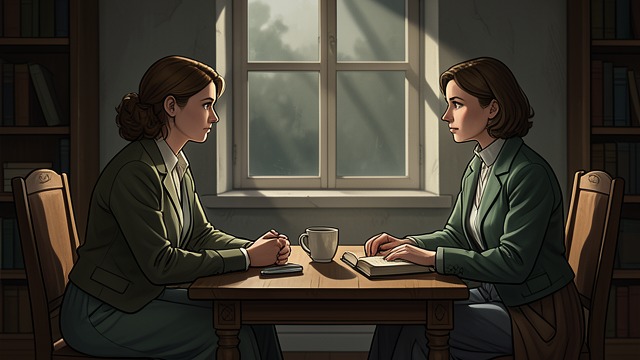
A Relationship of Disappointment
Affection rarely settles
The friend describes a history of misunderstandings, resentment, and rare affection. She sometimes imagines that a son or another child would have produced a different family life.
Stories harden into roles
The mother sees herself as a difficult parent who nevertheless provided for her daughter; the daughter experiences abandonment, shame, and an absent father. Each account gives the other little room to be understood.
A Choice Without Comfort
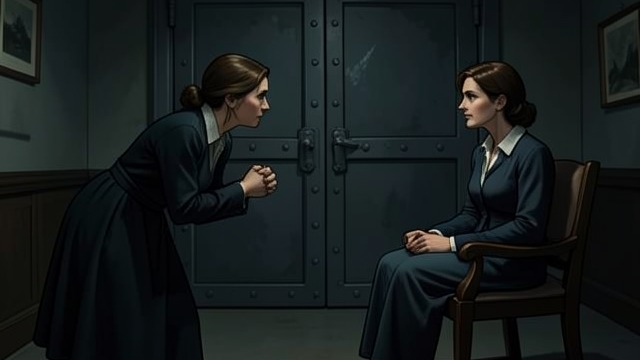
A Choice Without Comfort
A brief answer
The daughter tells her mother that treatment is her choice. The words may express respect for autonomy, but the friend hears them as if the illness had nothing to do with her.
The narrator holds back
The narrator tries to reassure her friend that people say the wrong thing. She cannot determine what the daughter intended, only how painfully the answer lands.
The Daughter’s Absence
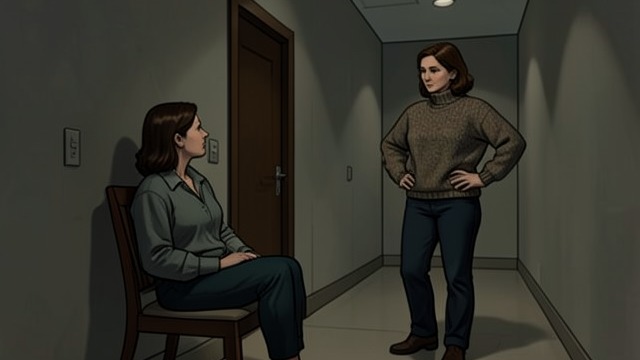
The Daughter’s Absence
A request she will not make
The friend says that asking her daughter to accompany her would be unfair. Their history and the daughter’s place in the will would make the responsibility unbearable.
Protection and distance
Her decision protects both women from a role the friend believes the daughter could not bear. It also preserves the estrangement at precisely the moment outsiders might expect a reconciliation.
Memories Instead of Apology
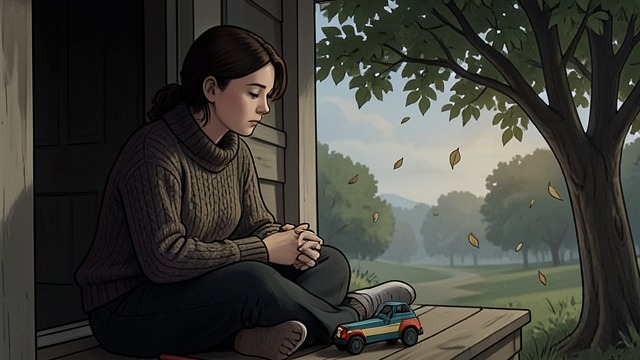
Memories Instead of Apology
A return to childhood
The friend recalls songs, teachers, and small moments of happiness, then asks why she could not give her own daughter a childhood like hers. Memory does not supply a simple explanation.
Love and failure together
Her self-questioning deepens rather than resolves the family history. She can love the idea of her child and still acknowledge how little tenderness the relationship managed to sustain.
A Reconciliation Declined
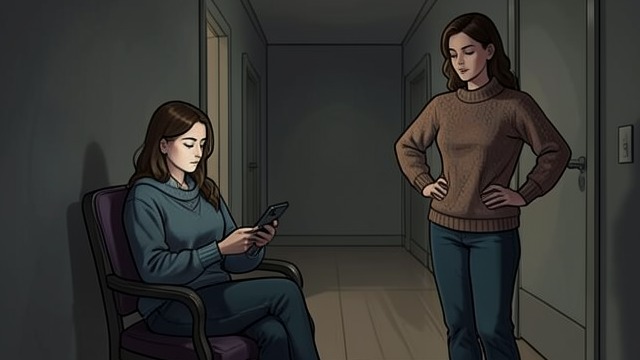
A Reconciliation Declined
No last visit
The friend refuses visitors and does not want to contact her daughter one last time. She says she is reconciled to their not being reconciled.
The cost of an honest ending
The narrator must honor a choice that leaves grief unresolved. The decision resists the comforting idea that impending death automatically repairs family bonds.
Across the daughter’s childhood and adulthood
When the daughter responds to the cancer diagnosis
During the end-of-life planning conversation
During the friend’s final conversations in the rental house
After the return to the friend’s apartment
