
The Friend and the People Who Want Her to Fight
What Are You Going ThroughThis conflict thread follows the friend’s resistance to a heroic script that turns illness into a moral test and her decision into apparent defeat.
increasing Bearing strength in each event
 decreasing
Bearing strength in each eventdecreasingTreatment as a Battle
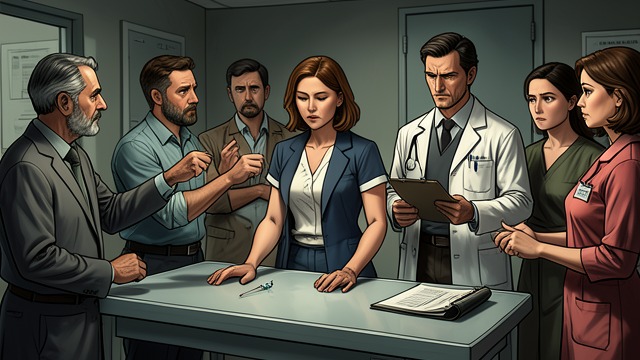
Treatment as a Battle
Other people urge action
When the friend initially considers refusing treatment, those around her insist that she do everything possible to fight. The language makes treatment seem like the only honorable response.
A choice shaped by hope
She agrees partly because she does not want to leave life early. The decision is hers, but the social expectation to keep fighting surrounds it.
Survival Feels Anticlimactic
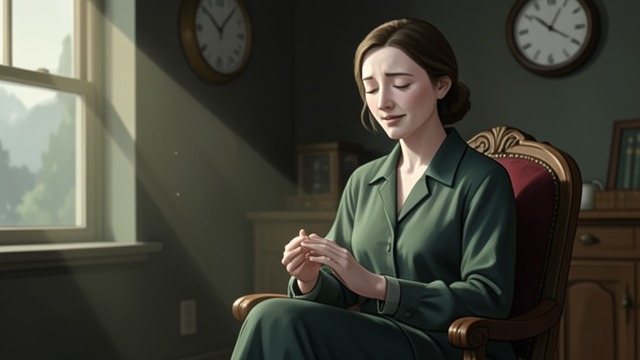
Survival Feels Anticlimactic
A promised reprieve
The friend survives beyond what cautious doctors had encouraged her to expect. She describes herself as not having to leave the party yet.
Emotional disorientation
Instead of simple triumph, she experiences euphoria and depression. Survival does not deliver the uncomplicated victory that a battle metaphor implies.
False Hope Named
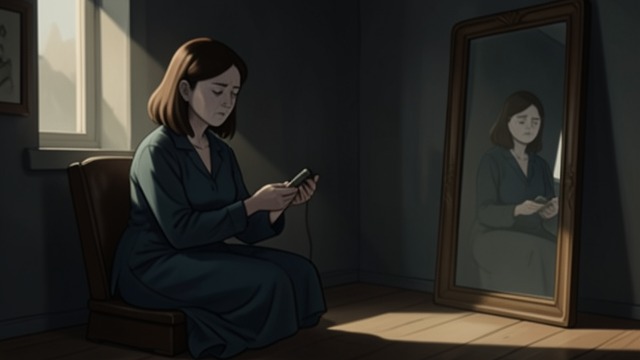
False Hope Named
Regret about treatment
When cancer returns, the friend wishes she had trusted her first instinct not to undergo the ordeal. She calls the temporary hope false and blames herself for accepting it.
A reversed judgment
The narrative does not declare treatment a mistake; it shows how the same decision can look different after recurrence. Her anger exposes the cruelty of treating survival as proof of moral strength.
Clichés at the Bedside
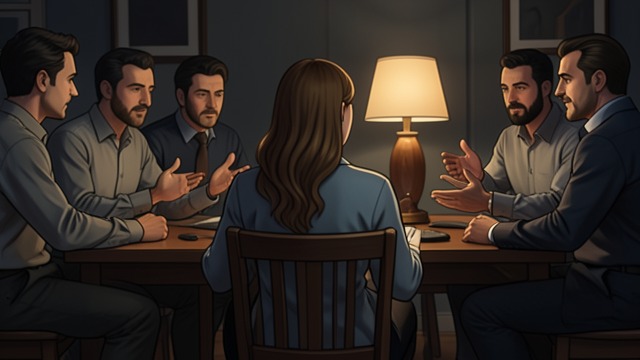
Clichés at the Bedside
Reassurance becomes pressure
People tell the friend to keep working, stay positive, and believe that medical miracles happen. She hears these words as demands to perform hope for others.
Emotional labor rejected
She refuses to spend her last days applying a heroic gloss to illness. The repeated encouragement distances her from people who cannot tolerate the reality she is naming.
Her Own Kind of Fight
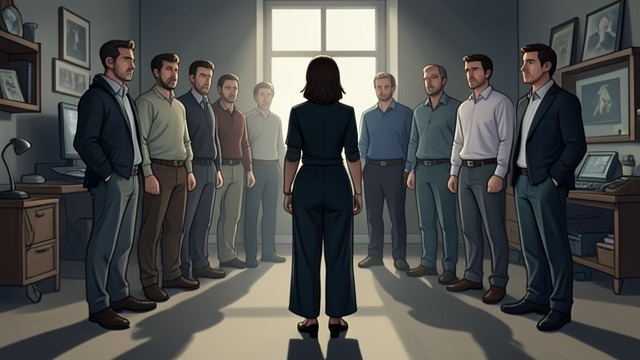
Her Own Kind of Fight
Resistance redefined
The friend calls her plan a way of fighting: cancer cannot get her if she acts first. She rejects the assumption that continuing treatment or waiting passively is the only strong response.
Autonomy under pressure
Her closest friends refuse to assist because they cannot bear to witness an intentional death. Their refusal reflects their love, but leaves her needing someone willing to respect her choice.
At the first cancer diagnosis
After treatment first succeeds
After the tumors return
During the friend’s terminal illness
At the end-of-life planning conversation
