
The Friend’s Moral Reckoning
What Are You Going ThroughThis character-destiny thread follows the friend’s late-life review of childhood, teaching, motherhood, and the limits of forgiveness.
increasing Bearing strength in each event
 decreasing
Bearing strength in each eventdecreasingA Childhood of Learning
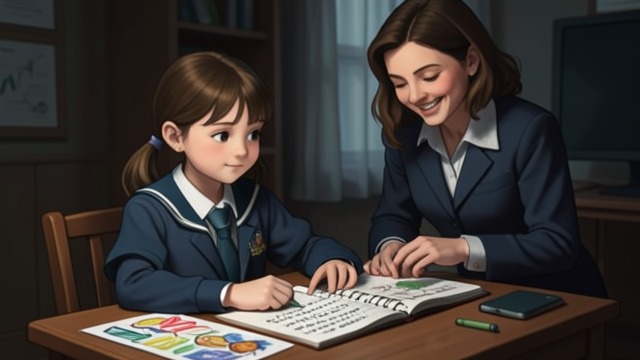
A Childhood of Learning
School as love
The friend remembers teachers who attended to her drawings, handwriting, and poems. School made her feel cared for in ways her parents’ indiscriminate praise did not.
A bright memory
She recalls songs, school supplies, and the focused happiness of childhood. These memories become a measure against which she examines the adult she became.
The First Experience of Pity
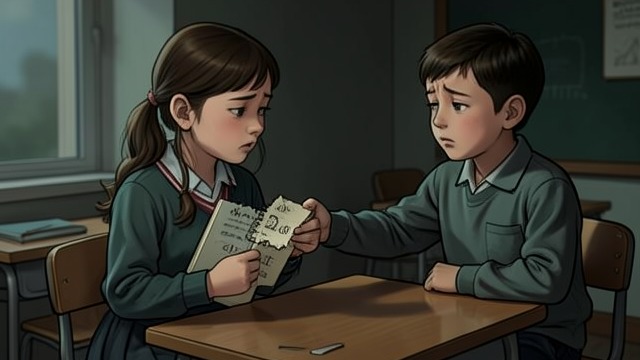
The First Experience of Pity
A classmate’s distress
The friend recalls Winnie, a disliked classmate who sometimes sobbed uncontrollably in class. The young friend feels pity and imagines that kindness could transform the girl’s life.
Good intentions fail
Winnie responds with hostility, then attaches herself to the friend after stealing her notebook. The memory reveals that compassionate impulses do not guarantee understanding or a successful bond.
A Teacher’s Contradiction
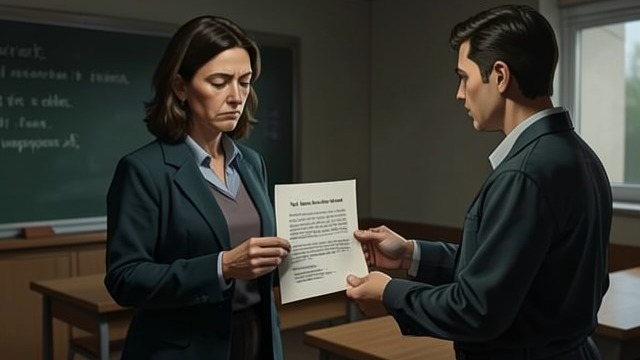
A Teacher’s Contradiction
The remembered ideal
The friend loved her childhood teachers and remembers education as genuine care. Yet she later avoided teaching and lacked patience with students and colleagues.
Judgment turned inward
She recalls evaluations describing her as cold, intimidating, and bullying. Near death, she asks why the love she received as a child did not make her a more generous teacher or parent.
A Wound Reopened
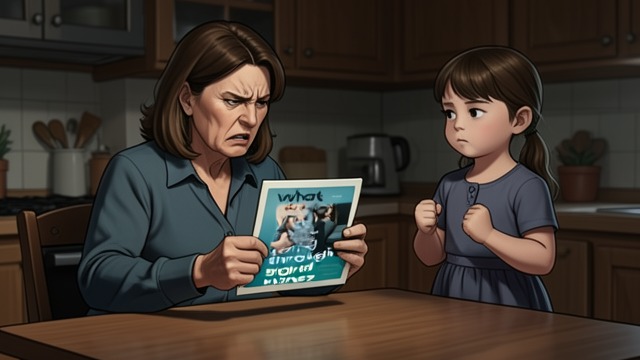
A Wound Reopened
An old humiliation
The friend revisits the episode in which she says her teenage daughter pursued one of her boyfriends. She remembers it as a deliberate attempt to wound and humiliate her.
No shared account
Her daughter later disputes the memory and minimizes its significance. The conflict survives because neither woman can make the other accept her version of what happened.
The Limits of Forgiveness
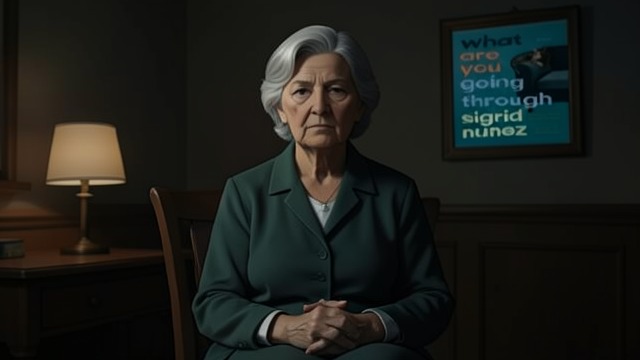
The Limits of Forgiveness
An unresolved choice
The friend believes people ought to forgive, yet discovers that some injuries remain beyond her capacity to forgive. The inability itself becomes another open wound.
Refusing a staged ending
She will not contact her daughter for a final reconciliation. Her decision is painful, but the story lets her choose honesty over a comforting scene that would misrepresent their relationship.
During the friend’s final days in the rental house
During the friend’s grade-school years
During the friend’s adult reflection in the rental house
During the friend’s terminal illness
Near the end of the friend’s life
