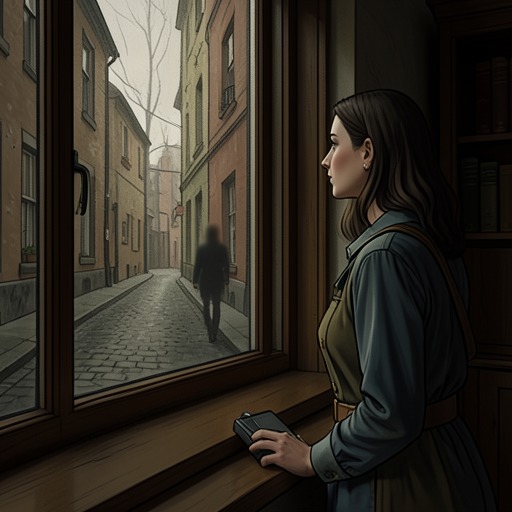
Attention must be paid
What Are You Going Through“Attention must be paid” is the narrator’s conclusion when an elderly neighbor’s apparently misplaced complaints become legible as a plea to have her isolation noticed. The expression marks a change in how her behavior is understood: what first seems like an irritating interruption may be the visible trace of suffering that would otherwise go unseen.
Context and Recognition
The narrator recalls another elderly widow who lived alone and regularly knocked on her door to complain about noise. The complaints baffled the narrator because she had not been making any noise. Only later did she understand that the apparent dispute was not really about sound: “A terrible thing was happening to her.” The expression “Attention must be paid” follows that recognition, replacing the assumption that the neighbor’s behavior was merely unreasonable with an acknowledgment of her circumstances.
Function in the Passage
The recollection occurs as the narrator considers an elderly woman who lives alone and receives persistent telephone calls. Although the calls are a nuisance, the narrator wonders whether they also offer the woman a meager form of entertainment. The remembered neighbor sharpens that thought: behavior that appears inconvenient to an observer may also reveal a need for contact. In this context, the expression calls for more than noticing an interruption; it insists that the person behind it, and the difficult circumstances implied by it, be taken seriously.