Catholic teaching on the indissolubility of marriage
What Are You Going ThroughCatholic teaching on the indissolubility of marriage appears in the account of a woman who says that, despite a long and unhappy estrangement from her husband, their marriage cannot end in divorce. The narrative sets the force of the commitment against the daily reality of a relationship that has become largely separate in practice.
Marriage as a binding commitment
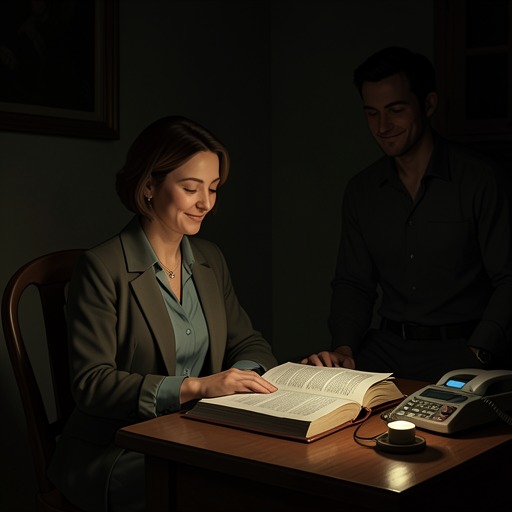
The woman describes a marriage that began with love and a family, but had long since deteriorated into conflict and distance. Her children were glad to leave home when they were old enough; afterward, she and her husband fought less but increasingly lived apart within the marriage. They slept in separate rooms, did not always eat together, and could pass whole days exchanging scarcely a word.
Against this history, she invokes both the vow they made and their Catholic faith. The account presents these as the reasons divorce is not an available choice for the couple: they had promised to remain together for better or worse, and, as Catholics, there would be no divorce. The narrative does not elaborate the doctrine’s formal theology; it shows how the woman understands the commitment as binding even when affection and companionship have largely ebbed.
Function in the account
The rule’s significance lies in the contrast between marital permanence and the marriage’s emotional reality. The couple remain bound by a vow while living increasingly separate lives, so the commitment preserves the marriage without resolving its conflict or restoring intimacy. By placing the woman’s account in a cancer support group, the narrative also presents this principle through her own testimony: the marriage’s history and limits are disclosed as part of her story of illness, rather than explained abstractly.