action-recall-action-0d0d1983ce18
What Are You Going ThroughThe friend’s acceptance of cancer treatment is a pivotal reversal: she moves from expecting treatment to take over her life to trying it, briefly receives the news that she will survive, and later confronts the return of the disease. The episode refuses a simple story of either heroic resistance or medical triumph. Treatment gives her time, but its uncertain benefit and eventual failure shape her understanding of what a tolerable life—and a tolerable death—might mean.
Initial Diagnosis and Decision
When the friend first learned her diagnosis, her instinct was to refuse treatment. Her research suggested a fifty-fifty survival rate for someone with her type of cancer at the stage at which it had been found, although her oncologist would not commit to that figure. She imagined a long course of painful, debilitating treatment that would leave her too sick to live fully and might not save her. Having seen this happen to others, she regarded refusal as a real choice, not a failure to understand the stakes.
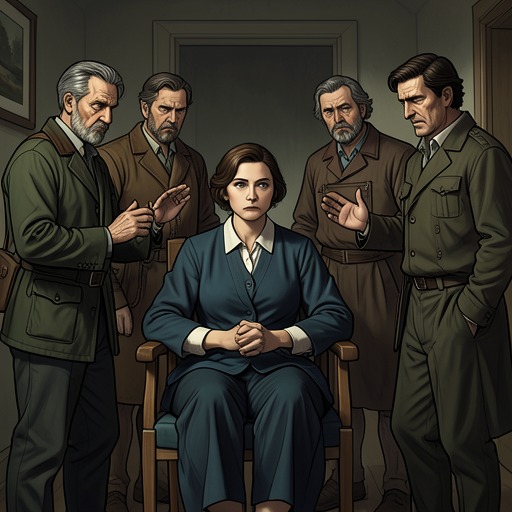
Those around her urged her to do everything possible to fight the disease. They treated fifty-fifty odds as reason to try, and she was ultimately not hard to persuade. She wanted to remain at the party rather than leave early; she also joked about being a guinea pig, despite her doctor’s repeated objections to that description. Her daughter was the exception to the chorus of persuasion: she simply told her mother that the decision was hers. The friend’s eventual consent therefore followed both social pressure to pursue treatment and an explicit recognition, from her daughter, that the choice belonged to her.
Response and the Reprieve
The treatments, including one experimental course, succeeded beyond what cautious doctors had allowed her to hope. The friend was going to live—or, in her more guarded formulation, she was not going to die. The distinction captures how provisional the good news felt: it marked a reprieve from an expected ending, not a promise of certainty.
The response brought euphoria, but not uncomplicated relief. The friend also fell into depression, though she could not identify a clear reason and had been warned to expect it. After spending so long preparing for death, survival felt anticlimactic. The emotional aftermath complicates the usual image of a patient grateful simply to have been saved: treatment altered her prospects, but it could not instantly undo the expectation of dying that had organized her thinking.
Recurrence and the Limits of Treatment
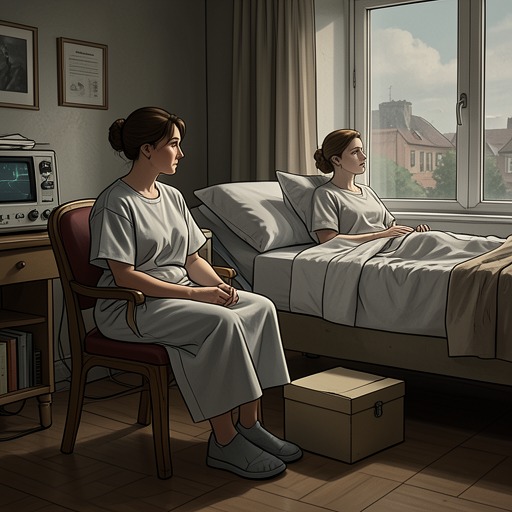
The reprieve ended when the treatments failed and the tumors spread. The friend returned to the hospital, and the narrator came to visit her again. The earlier decision to accept treatment had not been foolish, but neither had treatment secured the future that its initial success seemed to open. The reversal made the friend’s earlier fear of false hope newly painful: she blamed herself for having allowed hope, even as the time gained through treatment remained part of her experience.
Now facing months, perhaps a year at most and probably less, she tried to keep from panicking and did not want to die in rage, self-pity, or terror. She was not a stoic. Pain frightened her most because she believed agony would destroy the self-possession she wanted to retain, reducing thought to desperate bodily need. She also worried that her strong heart, which her doctor had praised, might keep her body fighting and prolong suffering. Her concern was not that treatment had been wrong, but that the body’s capacity to resist could become another source of distress.
Treatment, Autonomy, and the Desired Death
The friend’s account of a good death—free from agony, with some poise and dignity, clean and dry—sets the hoped-for order of dying against the bodily uncertainty she fears. Later, she declares that she will not go out in mortifying anguish and reveals that she has obtained Euthanasia medication. The disclosure does not erase the earlier treatment decision; it shows how her aims change as the disease advances and the prospect of painful decline becomes more immediate.
She wants solitude, as she is accustomed to, but not complete isolation. She asks for someone to be in the next room in case something goes wrong, and the narrator agrees that she should not be alone. The progression from accepting treatment to seeking this form of end-of-life support is not presented as a conversion from hope to defeat. It is a sequence of choices made under changing circumstances: first to take a chance on treatment, then to confront its failure, and finally to seek some control over the suffering that might follow.