
Guardianship and Female Autonomy
When You Were MineThis thread traces how Isobel’s legal dependence exposes her to coercion, then becomes a struggle to reclaim authority over her safety, marriage, and inheritance.
increasing Bearing strength in each event
 decreasing
Bearing strength in each eventdecreasingA Guardian’s Claim
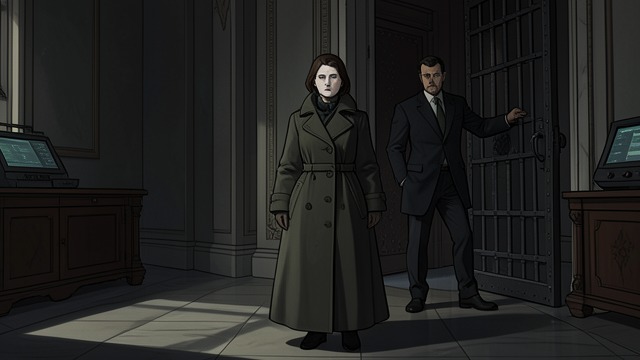
A Guardian’s Claim
Dependence as a Weapon
Rupert Davenport invokes guardianship after falsely claiming that Peter Davenport has died. Isobel is still below the age at which she can control her inheritance, and Rupert uses that legal dependence to remove her from Willowbrook Hall before she can verify his story or resist effectively.
The Cost of Exclusion
The arrangement makes family authority look like protection while giving Rupert practical control over Isobel’s movements and future. Her lack of independent legal standing turns a false account of events into the means of her captivity.
Coercion at Gosport
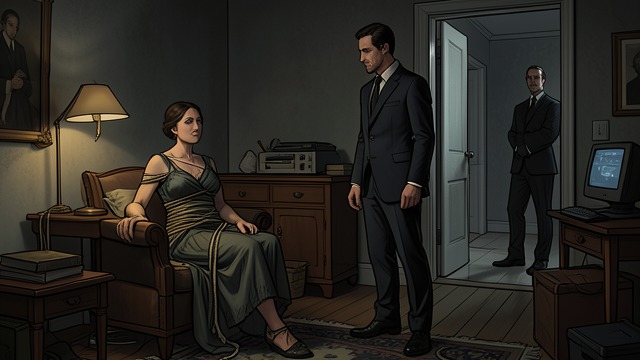
Coercion at Gosport
Control over Her Future
Rupert confines Isobel, beats her, and presents Bertram DeLisle as a husband she is expected to accept. His scheme treats her marriage and wealth as resources he can administer, while her own refusal is met with violence.
Resistance under Confinement
Isobel’s choices are sharply restricted, but she does not consent to the proposed union or surrender her sense of self. Her resistance demonstrates that formal guardianship has become a cover for exploitation rather than a duty exercised in her interests.
The Flight to Self-Preservation

The Flight to Self-Preservation
Choosing Risk over Submission
With Kitty’s help, Isobel escapes rather than accept the future Rupert has arranged. She leaves with little money, travels in Peter’s old clothes, and relies on secrecy because no dependable public protection is immediately available to her.
Agency in Precarious Conditions
The escape does not instantly make Isobel secure: hunger, cold, and the threat of recapture remain constant. Yet she begins to make decisions for herself, turning disguise and movement into limited forms of independence when the law and household authority have failed her.
Inheritance as a Deadline

Inheritance as a Deadline
Freedom Deferred by Age
Isobel explains that she expects to gain control of her property and funds when she reaches twenty-five. Until then, the rules around guardianship leave her vulnerable to people who can claim authority over her affairs, and Rupert tries to exploit that interval for his own gain.
Wealth and Self-Determination
The estate is not simply a prize in a family dispute; it represents the material basis for Isobel’s independence. Rupert’s scheme shows how her wealth can attract coercion, while her approaching majority offers a concrete point at which she can begin to govern her own life.
A Chosen Partnership
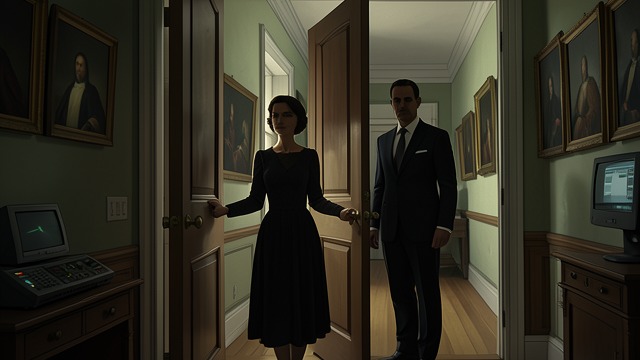
A Chosen Partnership
Marriage without Surrender
After marrying Dominic Cavendish, Isobel is still expected to accept his protection as the answer to danger. She pushes back when he tries to decide alone whether she can walk in the garden or take part in confronting the man who harmed her.
Participation and Shared Risk
At Rupert’s house, Isobel insists that her own experience gives her a reason to join the search for evidence. Dominic eventually agrees to act alongside her, and their partnership becomes more mutual: safety matters, but so does Isobel’s right to participate in decisions affecting her future.
When Rupert arrives at Willowbrook Hall
During Isobel’s first weeks at Gosport Hall
On the night Isobel escapes Gosport Hall
When Isobel explains her twenty-fifth birthday and Gosport Hall
After Rupert’s confrontation in the garden
