
Reputation and the Unequal Rules
When You Were MineThis thread examines how expectations of feminine respectability threaten Isobel’s reputation while male misconduct is treated as easier to excuse or ignore.
increasing Bearing strength in each event
 decreasing
Bearing strength in each eventdecreasingThe Rules of Chaperonage
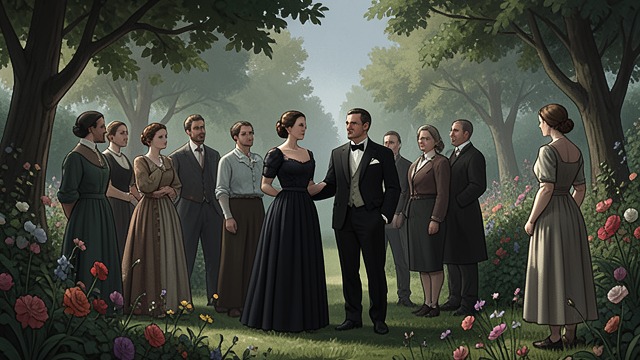
The Rules of Chaperonage
Courtship under Supervision
Isobel and Dominic’s early relationship unfolds under the constant presence of Peter, Elspeth, or household staff. The formal arrangement reflects a social system in which a woman’s private meetings may be judged as evidence about her character, even when affection is mutual.
The Narrow Space for Choice
The couple’s frustration at never being alone reveals the cost of respectability conventions. Their relationship must be shaped around public appearances and supervision, so intimacy becomes something they can scarcely pursue without risking judgment.
A Night outside Convention

A Night outside Convention
Isobel Initiates the Meeting
When Dominic prepares to depart on the Norfolk smuggling mission, Isobel rides alone to Sedgwick House because she wants to see him. Her choice defies the expected safeguards of respectable courtship, but it is also a deliberate assertion of desire rather than a passive response to male decisions.
Consequences of Secrecy
Their private encounter deepens their bond, yet both understand that discovery could damage Isobel’s standing more severely than Dominic’s. The unequal risk complicates an intimate choice: what they share is mutual, but the social cost is not distributed equally.
The Burden of Scandal

The Burden of Scandal
A Woman’s Reputation at Stake
Peter argues that Isobel’s extended residence in Dominic’s home without a chaperone will provoke gossip. Isobel refuses to treat those judgments as moral truth: she points out that the society concerned was absent when she needed protection from Rupert or shelter during her flight.
Different Standards for Men
Isobel identifies the asymmetry that gives the scandal its force. A woman’s perceived indiscretion can exclude her from respectable society, while a man’s sexual behavior is commonly overlooked; the same social world makes her reputation fragile and his comparatively secure.
The False Marriage Claim
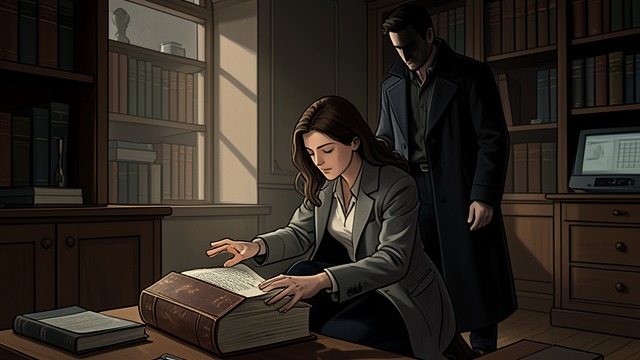
The False Marriage Claim
Reputation as a Threat
Rupert produces marriage papers and claims that Isobel already belongs to DeLisle. The accusation threatens more than her safety: it attempts to define her publicly as a bigamist and to make her present marriage appear illegitimate.
Challenging the Story
Isobel directly denies that she ever married DeLisle, while Peter invokes the consent required for her marriage. The scene exposes how documents, witnesses, and social assumptions can be used to impose a story on a woman, even when that story is false.
Respectability Reconsidered
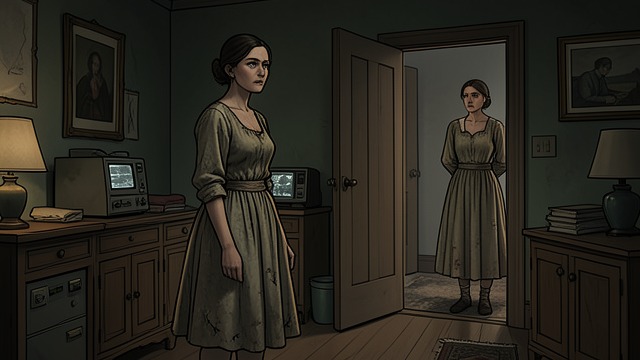
Respectability Reconsidered
A Wider Measure of Worth
By the ending, Isobel’s conduct has repeatedly departed from the prescribed image of a sheltered, obedient woman. She flees alone, disguises herself, speaks openly about her choices, and takes part in securing evidence against Rupert.
Integrity over Approval
The narrative places her courage and judgment above the social approval she once feared losing. Her survival and marriage do not erase the unequal rules, but her experience makes clear that respectable appearances are a poor measure of who acts honorably.
During Isobel and Dominic’s courtship at Willowbrook Hall
The night Isobel visits Dominic at Sedgwick House
During the debate about marriage at Havistock Hall
When Rupert presents marriage papers at Havistock Hall
After the final confrontation at Havistock Hall
