Isobel and Dominic's relationship
When You Were MineIsobel and Dominic’s relationship is a love story shaped by danger and incomplete assurances. Their marriage follows a period in which Isobel believes Dominic dead and he later believes her dead; even after they reunite and wed, each carries the consequences of those losses differently. Isobel’s love is profound, but her questions about Dominic’s feelings and the circumstances that brought them together complicate the intimacy he hopes to secure.
Separation, danger, and promises
Before their marriage, Dominic and Peter prepare to leave, with their absence possibly lasting weeks or months. Isobel asks Dominic to promise that he will stay safe. He pledges to do everything possible to return with Peter unharmed and as soon as he can, while warning that he will be unable to correspond. His reassurance that she will remain in his thoughts leads to a farewell kiss. Their parting brings affection into sharp relief, but it also leaves Isobel without the ordinary comfort of communication while the men are away.
The danger shaping their bond is rooted in Rupert’s abuse of his authority over Isobel. Recalling the afternoon Rupert arrived at Willowbrook Hall, Isobel tells Peter that Rupert claimed Peter had died and that he had consequently become her guardian. He demanded that she leave at once and threatened that Elspeth should be sent to an asylum if Isobel resisted. Shocked by the report of Peter’s death and given little time to pack, Isobel agreed to go after securing Rupert’s promise that Elspeth could remain at Willowbrook Hall. She insisted that Kitty accompany her. This account helps explain the coercive circumstances surrounding Isobel’s disappearance and the peril that continues to shadow her relationship with Dominic.
Proposal and marriage
When Dominic proposes, Isobel weighs both her love for him and the unresolved questions between them. She has not received the declaration of love she wants, and fears that knowing he cares for her may not be enough. She nevertheless accepts, saying she will be his wife if he is certain marriage is the right course. Dominic’s relief is immediate, while Isobel’s acceptance does not erase her uncertainty. The proposal therefore marks a decisive commitment, but not a simple resolution of the emotional imbalance she perceives.
Their wedding takes place two days later. With roads too poor for his parents to travel from Berkshire and his brothers expected to arrive on horseback, Dominic says he does not want to delay: he nearly lost Isobel once and will not make the same mistake again. Isobel recognizes that this is not the declaration she needs, yet accepts it for the moment. Before the Vicar, Dominic places a simple gold band on her finger, and they are pronounced man and wife. The swift ceremony makes their commitment official while leaving the question of Isobel’s emotional security alive beneath it.
Love, grief, and guardedness
In the weeks after the wedding, Dominic’s feelings deepen. During an absence of almost a week, he misses Isobel intensely and recognizes that he loves her more than he expected. He also senses that she keeps part of herself apart, as if waiting for something. He wants her to trust him fully, but hesitates to ask about her reserve because he fears upsetting her after all she has endured. He wonders whether she would have chosen him without Rupert’s threat, a doubt that exposes how danger has entangled their marriage with the question of consent.
Their differing responses to separation sharpen that insecurity. Dominic remembers the horror of believing Isobel dead, yet when he leaves, she waves him off with smiles and laughter. He cannot decide whether to be relieved that she is not a tearful, clinging wife or insulted that she seems glad to see him go. His uncertainty sits alongside his longing: he wants her love to be as complete and unquestioning as his own, but cannot compel the openness he seeks. Isobel’s restraint is not evidence that she does not love him; her later confession makes clear how strongly she is attached to him.
When they speak about her staged death, Isobel tells Dominic that she would have wanted to spend her final moments near him. Dominic answers that he visited her grave and describes the loss he felt when he and Peter were told she had died. Even the horrors he witnessed during three years at war could not equal the moment beside her grave. Isobel explains that she planned to feign death before she knew he was searching for her, hoping to escape Rupert and DeLisle and begin again. The exchange brings his grief and her reasons into the open, while showing how each had acted without knowing the other’s circumstances.
Marriage under legal and personal threat
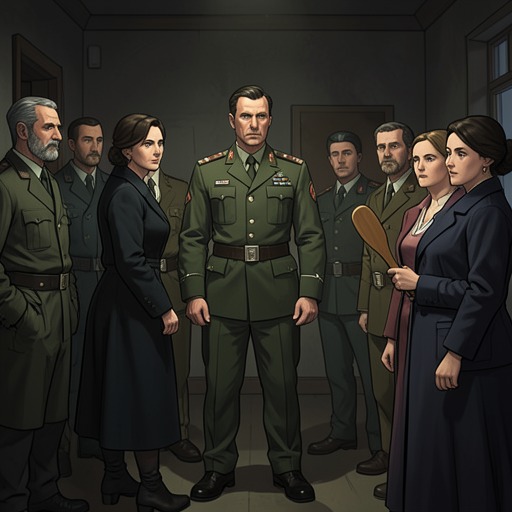
Their relationship is also implicated in disputes over guardianship and marriage. At a later confrontation, Peter declares that he was Isobel’s legal guardian when her marriage took place and challenges Rupert’s claim that she could not have married without permission. Peter says that documents, signed and witnessed by magistrates, record Isobel’s betrothal to Dominic some three years earlier. He contrasts that prior arrangement with Rupert and DeLisle’s attempt to force Isobel to sign a betrothal document naming DeLisle; Isobel had refused, and the men present understand that her resistance had brought consequences. These claims place Dominic and Isobel’s marriage amid competing assertions about who could decide Isobel’s future, rather than presenting the wedding as separate from her struggle for autonomy.
Isobel’s relationship with Dominic thus moves through separation, marriage, bereavement mistaken for fact, and renewed disclosure. Their attachment is unmistakable, but their union does not instantly dissolve its conditions of fear: Dominic seeks trust and certainty, while Isobel’s independence and past danger make unguarded dependence difficult. The contrast between his wish to keep her close and her need to have escaped Rupert on her own terms gives their marriage its continuing tension.