
The Murder Trial and Acquittal
Where the Crawdads SingKya’s trial moves from a prosecution built on suspicion toward a verdict shaped by gaps in proof and the testimony of witnesses.
increasing Bearing strength in each event
 decreasing
Bearing strength in each eventdecreasingA Capital Charge

Trial Begins
A Hostile Room
Kya enters a crowded courtroom where many spectators know her only as the Marsh Girl. The state seeks the death penalty, making the proceedings an immediate threat to her life.
A Necessary Defense
Tom Milton represents her and tries to explain the process. Kya must face a public world that has long treated her as an outsider.
A Witness to Violence
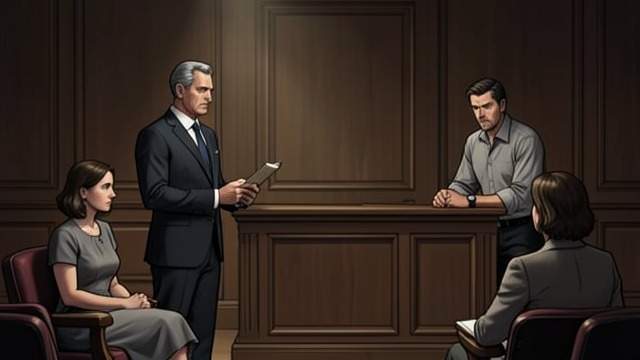
The Cypress Cove Account
A Public Encounter
Rodney Horn testifies that he saw Kya kicking Chase after a struggle at Cypress Cove. His account confirms anger and physical contact, but he did not see how the confrontation began.
Self-Defense Remains Possible
Under questioning, Horn agrees that Kya may have been defending herself from a stronger man. The testimony leaves the jury with a threat as well as a motive theory.
The Alibi Under Pressure
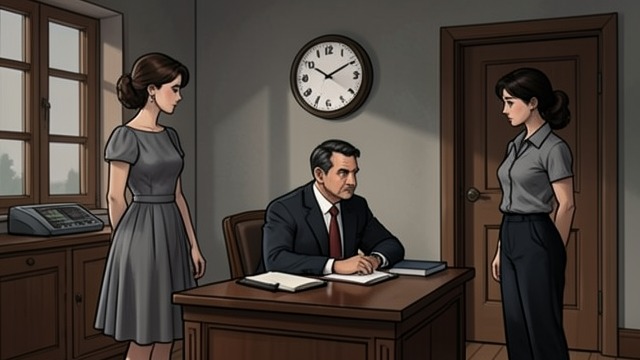
Greenville and the Night Bus
A Documented Trip
Witnesses establish that Kya traveled to Greenville and stayed at the Three Mountains Motel. The prosecution argues she could have returned to Barkley Cove during the night and gone back again.
Time Becomes Evidence
The defense challenges the travel schedule and the witnesses’ uncertain identifications. The question is not whether Kya traveled, but whether the alleged detour could fit the available hours.
The Tower’s Uncertain Story
Testing the Physical Case
Missing Proof
The defense questions whether tides could have erased footprints and emphasizes the absence of Kya’s fingerprints, hair, or other direct traces at the tower. The fibers cannot be dated to the night of the death.
Accident or Murder
The open grate and the angle of Chase’s injuries permit more than one explanation. The prosecution offers theories, but the physical evidence does not settle which account is true.
Not Guilty
The Verdict
Deliberation
The jury asks to review key testimony before reaching a decision. Kya waits alone, fearing that a quick verdict would mean the town’s old prejudices had decided the case.
Release
The jury finds her not guilty. The verdict frees Kya but cannot undo the months in jail or the public suspicion that accompanied the trial.
February 25, 1970
During the prosecution case
During the defense case
Near the end of the trial
Late afternoon, 1970
