
From Naturalist to Author
Where the Crawdads SingKya’s accumulated knowledge moves from personal observation to published science, financial independence, and a legacy of conservation.
increasing Bearing strength in each event
 decreasing
Bearing strength in each eventdecreasingSpecimens on the Walls

A Private Archive
Learning by Looking
Kya gathers feathers, shells, bones, and insects, arranging them in the shack. The collection turns careful attention into a record of the surrounding ecosystem.
Art Before Literacy
Before she can read or write, she labels specimens with drawings. These early practices establish the combination of visual art and natural history that will define her books.
Reading Opens a Field
Words for the Wild
Tate’s Lessons
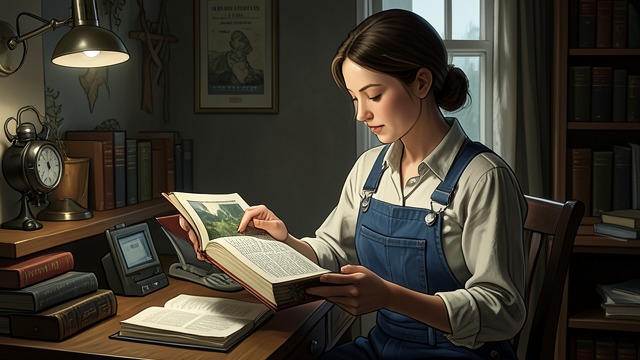
Tate teaches Kya to read with A Sand County Almanac and later brings science books. She discovers that words can hold both precise information and emotional force.
Self-Education
Kya reads beyond the level of her schooling, which ended after one day. Books give language to knowledge she already possesses through direct observation.
The First Guidebook
Shells in Print
A Publisher’s Invitation
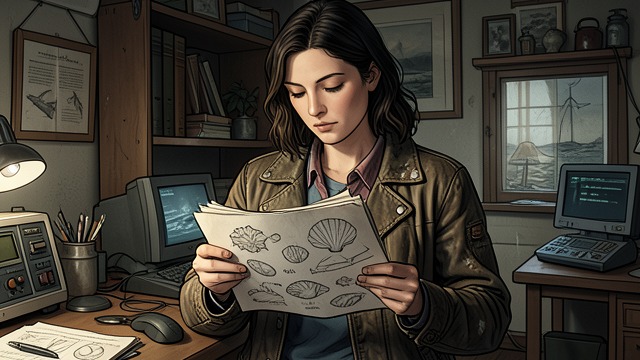
With Tate’s encouragement, Kya sends her drawings and descriptions to a publisher. The detailed work becomes a reference book built from years of field observation.
Recognition Without Assimilation
Publication brings money and recognition without requiring Kya to abandon her home or adopt town life. Her expertise becomes legible to readers who had dismissed her.
Birds Reach Readers
A Second Book
Expanding the Record
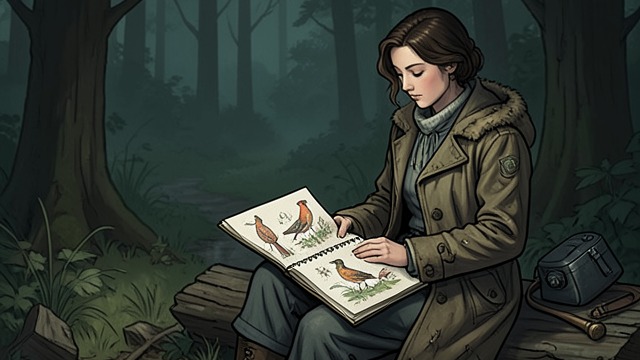
Kya publishes a richly observed guide to eastern seacoast birds. The book extends her work from shells to the living creatures and habitats of the coast.
A Wider Reputation
Her research gains professional standing while she remains reluctant to seek public attention. Scientific acclaim does not erase her preference for solitude.
A Laboratory at Home
Work Continues
A New Workspace
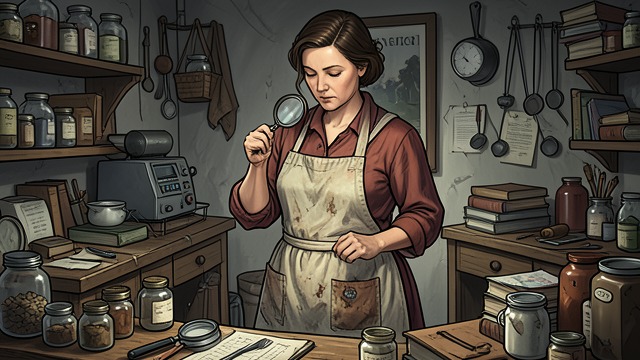
Kya and Tate build a laboratory and studio behind the shack. She keeps writing and collecting rather than accepting a job at Archbald Lab.
A Lasting Contribution
Her books and specimens preserve detailed knowledge of the marsh. She eventually places the land under conservation protection, joining scientific work to stewardship.
Childhood through adolescence
Summer 1960
1968
July 1969
After the 1970 trial
