
The Trial’s Unequal Rules
Where the Crawdads SingThe courtroom conflict reveals how prejudice, legal procedure, and uncertain evidence shape the danger Kya faces as a defendant.
increasing Bearing strength in each event
 decreasing
Bearing strength in each eventdecreasingA Segregated Gallery
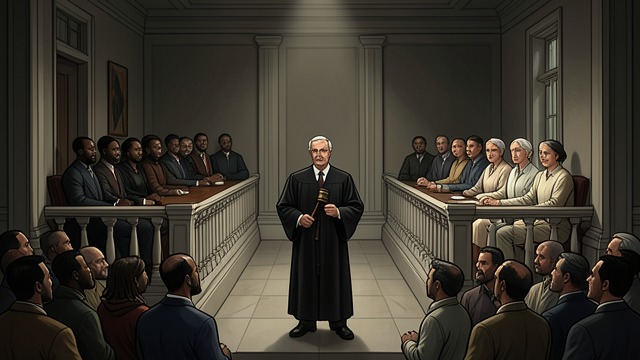
Courtroom Boundaries
Custom Made Visible
Black spectators are expected to sit in a separate balcony, reflecting the racial order of the town. The trial begins inside a system that distributes dignity unequally.
A Judge’s Intervention
Judge Sims orders that people of any race may sit where they choose. The decision does not end discrimination, but challenges its authority within the courtroom.
The State Seeks Death
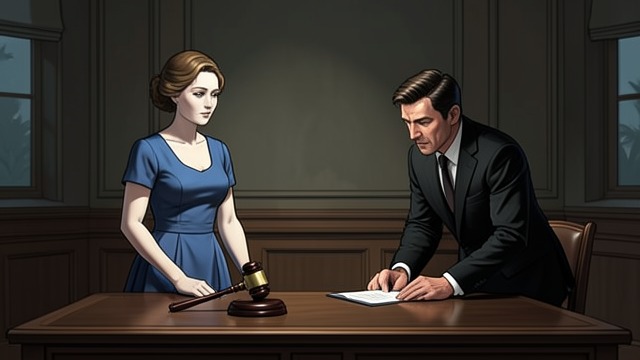
The Stakes Are Named
First-Degree Murder
The judge explains that the charge is premeditated murder and that the state may seek the death penalty. Kya hears the threat more clearly than the legal details.
A Defendant Is Not a Spectator
The law requires Kya to attend the proceedings. Her physical presence becomes another form of forced exposure to a town that has already judged her socially.
The Defense Challenges the Sheriff

An Expert Questioned
Missing Footprints Revisited
Tom Milton asks whether tides could have erased tracks and whether the sheriff tested that possibility. Ed Jackson cannot show evidence that anyone wiped the mud clean.
Certainty Weakens
The sheriff concedes that the absence of footprints alone does not prove a crime. The defense turns a confident inference into an unresolved question.
A Witness’s Memory Tested
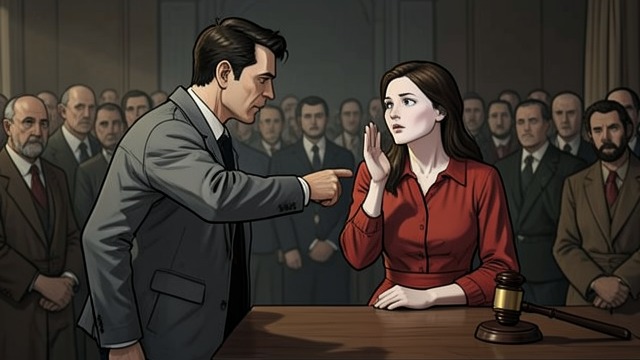
Darkness at the Harbor
Identification at a Distance
Hal Miller says he recognized Kya’s boat at night, but admits he could not see her clothes and was far away. Tim O’Neal says the boat could have belonged to many people.
Doubt Enters the Record
The prosecution’s central eyewitness account becomes less certain under cross-examination. The jury must decide whether familiarity is enough to support a capital conviction.
Acquittal and Aftermath

A Community Confronted
The Jury’s Decision
The jury finds Kya not guilty. The verdict prevents a conviction but does not immediately unite the town behind her.
A Costly Release
Kya leaves jail exhausted and wary of comfort. The legal outcome answers the charge, not the deeper question of how the community treated an abandoned child.
February 25, 1970
Opening day of the trial
During the prosecution case
Late in the trial
Verdict day, 1970
