Kya's family Bible
Where the Crawdads SingKya's family Bible is a family record that Kya Clark can finally read for herself. At the table, she finds her own name at the bottom of the list of children and works back through the names of her absent siblings to the names of her parents. The discovery makes the Bible more than a book on a shelf: its thin pages hold the details that restore a partly forgotten family to her, while her new ability to read gives her direct access to that history.
The Bible as a reading object
By the time Kya opens the Bible, reading has begun to spread through ordinary parts of her life. She has been going around deciphering the directions on a grits bag and Tate Walker’s notes, as well as the stories in fairy-tale books she had pretended to read for years. The Bible becomes another text she can approach without someone else interpreting it for her, but its contents carry a different weight from directions or stories. Its family names make literacy personal: each word she works out can connect her to someone she once knew.
She takes the old book from the shelf one night and sits at the table, turning its thin pages carefully to the page with the family names. The scene is quiet and deliberate. Instead of receiving a lesson from Tate Walker, she encounters the record in her own hands and reads down and back up its list. The page’s arrangement gives her a route through the family: her own entry first, then the siblings above it, and finally the marriage of her parents above the children’s names.
Names and dates in the register
At the bottom, Kya finds her birth entry as Miss Catherine Danielle Clark, dated October 10, 1945. The formal name and exact date make her own identity unexpectedly specific. She has not merely found a name she recognizes; she has found the name and birthday written into the record of her family. The Bible fixes those details on a page she can revisit, at a moment when much of her life has been shaped by separation from the people listed there.
Reading upward, she identifies Jeremy Andrew Clark, born January 2, 1939, and recognizes him as Jodie Clark, whose formal name she had not known. She reads Amanda Margaret Clark, born May 17, 1937, and touches the name with her fingers, repeating it several times. She finds Napier Murphy Clark, born April 4, 1936, and connects that name to Murph. At the top is Mary Helen Clark, born September 19, 1934, the oldest of the children. The register supplies dates as well as names, turning a sequence of remembered faces into a dated family record.
Above the children, Kya reads that Jackson Henry Clark married Julienne Maria Jacques on June 12, 1933. Until this discovery, she had not known her parents’ proper names. The page therefore changes the scale of what she learns: it identifies her not only as one child among siblings, but as the daughter of two people whose full names and marriage date are preserved in the same family record.
Recognition and recovered memory
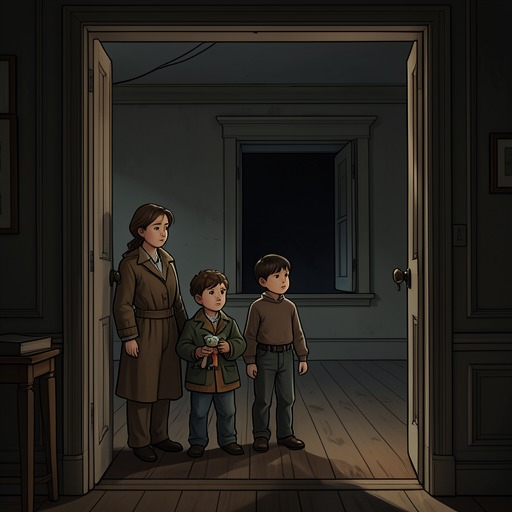
The names do not return as bare information. As Kya runs her fingers over them again, faces come before her eyes: the family squeezed around the table, eating stew, passing cornbread, and laughing. The remembered gathering is vivid enough to accompany the names, although the faces blur. The Bible cannot restore her family to the room, but its list gives her a way to link the blurred memories to the people she can now identify.
Kya feels ashamed that she had forgotten the names. Once she has found them, she determines that she will never let them go again. Her response makes the act of reading both an intellectual achievement and an act of remembrance. Touching Amanda’s name, repeating it, and tracing the list again show how she takes possession of the information: not by changing what happened to the family, but by holding its names in memory.
Narrative significance
The Bible joins Kya’s emerging literacy to the losses that have defined her family life. Earlier, she had pretended to read stories; now she can read the family record herself and recognize what its words contain. The page gives her knowledge that everyday reading cannot: her birth name and date, her siblings’ formal names and birthdays, and her parents’ names and marriage date. Her learning thus opens a connection to a past that had remained incomplete even while its people were familiar to her.
The placement of the entries gives the discovery its quiet shape. Kya begins with herself at the bottom, climbs through the names of the siblings she remembers, and reaches her parents at the top. That movement from her own entry toward the preceding generations brings a dispersed family into one visible order. When she sits for a few minutes with the Bible open and her family before her, the book has become a material meeting point between the present reader and the absent people recorded on its page.