
The Value and Cost of Care
Where'd You Go BernadetteCare appears as medical vigilance, practical labor, emotional presence, and sometimes control, revealing how good intentions can both sustain and wound a family.
increasing Bearing strength in each event
 decreasing
Bearing strength in each eventdecreasingMedical Vigilance
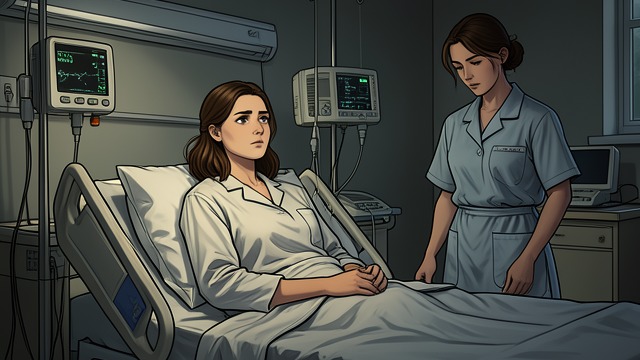
Medical Vigilance
A child’s survival
Bee’s heart condition requires repeated surgeries and extended hospital care. Bernadette and Elgin organize themselves around treatment and recovery.
Protection persists
Bee becomes healthy, but the adults continue to see her through the memory of danger. Their concern is loving, yet Bee resists being treated as permanently fragile.
The Caregiver’s Cost
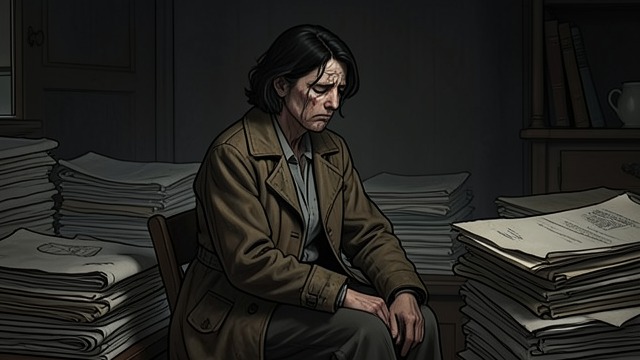
The Caregiver’s Cost
A role that remains
Bernadette’s life has been organized around Bee’s survival, but she does not return to architecture after the medical crisis passes. Care has become her identity without an obvious transition back to her own work.
Need goes unnoticed
Elgin assumes she will resume her practice or repair the house. He does not understand that her emotional and creative needs have become difficult to name.
The Attempt to Intervene

The Attempt to Intervene
Care becomes coercion
Elgin arranges a formal intervention because he fears Bernadette may harm herself or others. He intends to secure help, but the process gives her little control over how her story is told.
Good intention, real harm
The confrontation deepens Bernadette’s sense of betrayal and ends in her escape. The novel distinguishes concern from effective care: love alone does not make a plan respectful or wise.
A Father’s Care on the Voyage
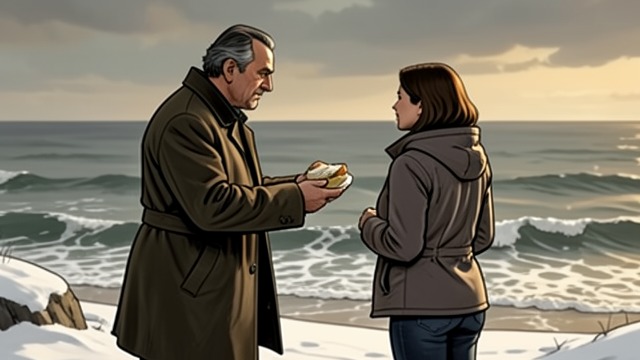
A Father’s Care on the Voyage
Practical attention
Elgin brings Bee food, tries to comfort her, and plans activities during their Antarctic trip. He wants to make the journey meaningful and maintain a connection with his daughter.
Emotional mismatch
Bee experiences his cheerfulness as avoidance and rejects his efforts. Their conflict shows that practical caretaking is not enough when the child needs acknowledgment of anger and grief.
Care Without Possession

Care Without Possession
Listening on the shore
Elgin sits with Bee after her failed search at Port Lockroy and admits his own grief. He does not demand that she stop missing Bernadette.
A more open bond
The exchange lets father and daughter care for one another without claiming the same experience. Their relationship begins to improve when Elgin stops treating reassurance as a substitute for listening.
Bee’s first five years
After Bee begins school
December 23
During the crossing of the Drake Passage
Near the end of the Antarctic voyage
