Port Lockroy historic station
Where'd You Go BernadettePort Lockroy historic station is a former British military outpost on the Antarctic Peninsula, later made into a living museum and visitor stop. Its preserved rooms, gift shop, and tiny resident community bring the past into close view, but the station’s importance to Bee Branch is intensely personal: during her family’s Antarctic voyage, she reaches it hoping to find Bernadette Fox and discovers that the place offers no such reunion.
Military Outpost and Living Museum
During World War II, Port Lockroy historic station served as a secret outpost for the British military and was associated with Operation Tabarin. In 1996, the UK Antarctic Heritage Trust paid to turn it into a living museum. The transformation preserves a working sense of the site rather than presenting it only as an abandoned relic: people live there, welcome visitors, and operate a gift shop and post office.
The museum’s wartime history is delivered as part of the visit. A guide begins explaining the outpost’s past to a group of cruise passengers, including the history of Operation Tabarin. The account establishes that the station’s small, practical rooms once belonged to a military undertaking, while its later use makes that history available to travelers as a public attraction. Its heritage is therefore encountered through both the preserved place and the explanations offered inside it.
Arrival and the Visitor Space
The station is one of the planned stops on the cruise itinerary. During an evening recap, passengers learn that the following day’s excursion will be to Port Lockroy, and are encouraged to buy Antarctic penguin stamps and mail letters home. This anticipation frames the landing as a familiar tourist activity, even though the location is an isolated historic outpost rather than an ordinary town or port of call.
Bee Branch approaches by Zodiac across the water. As the boat nears shore, the station building appears to grow smaller, a change that unsettles her. The Zodiac drives onto the rocks; Bee Branch rolls over its inflated side, drops her life jacket, crosses the rocks past gentoo penguins nesting there, and reaches a wooden ramp leading to the entrance. A British flag flaps in the cold gray wind. The landing is a physical threshold between ship and shore, and Bee Branch is the first of her party to open the door.
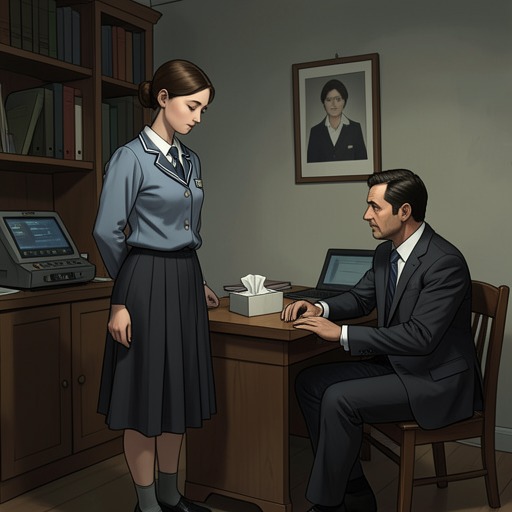
Inside, two young women greet the visitors. The gift shop is as cold as the exterior and is arranged for tourists, with colorful banners, books, stuffed animals, postcards, clothing, and objects that can be embroidered with penguins. Its merchandise sits alongside, rather than erasing, the station’s former life. Bee Branch finds no sign of Bernadette Fox, but at first treats the shop as only one room in a larger place where her mother might still be found.
Bee Branch’s Search
The station’s compact layout becomes central to Bee Branch’s search. As a guide addresses the group, Bee Branch moves past the presentation and asks how many people live there. She explores the old command center, where desks and rusty machines are crowded with dials and knobs, and encounters a door marked DO NOT OPEN. The door leads not to another inhabited room but outside, onto a snowfield. She returns and tries to understand the building by counting its exits and asking where the residents sleep.
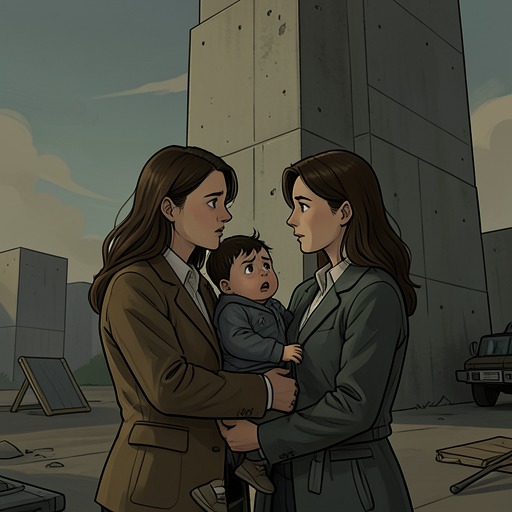
The answers steadily narrow the possibilities. There are only two people living at the station, in addition to visiting cruise passengers. Bee Branch presses to know whether anyone has ever left a ship to stay there. The question exposes the hope she has carried into the museum: that Bernadette Fox might have arrived before her and be living with the station’s residents. Once Bee Branch understands that this is not the case, hope gives way to humiliation and grief. She bursts into tears, angry at herself for having let the possibility grow so vivid.
The preserved interior intensifies the contrast between the museum’s cheerful visitor role and Bee Branch’s distress. She is crying among the traces and displays of an earlier station: pemmican rations, photographs of Doris Day, whiskey crates, a rusty Quaker Oats can, Morse code machines, long underwear hanging on a line, and Antarctic-themed baby bibs. Charlie speaks into the radio on his parka while other visitors ask what is wrong. The station remains a place of historical display and tourism; for Bee Branch, its objects become the setting for a private recognition that her mother is not there.
Heritage, Tourism, and Narrative Significance
Port Lockroy historic station brings together several kinds of presence: the British wartime past, the two people who live and work there, and the temporary stream of cruise visitors. The gift shop and post office make the remote site accessible through familiar acts of buying souvenirs and sending letters, while the preserved command center and military history point toward lives and purposes beyond tourism. The station is neither simply a ruin nor a conventional settlement; its identity depends on the coexistence of preservation, residence, and visitation.
For Bee Branch, the visit reverses the promise implied by the itinerary. The cruise has brought her to an Antarctic landmark where she can imagine a reunion, but the museum’s small scale makes the absence unmistakable: there are only two residents, and no hidden community waiting beyond the shop. Her questions turn the visitor experience into a search, and the answer turns the station into the place where that search reaches a painful limit. Its importance in the narrative lies in this collision between public heritage and private expectation: a site preserved to make the past visible cannot supply the person Bee Branch is trying to find.