the mid-1980s
Princeton and Architecture
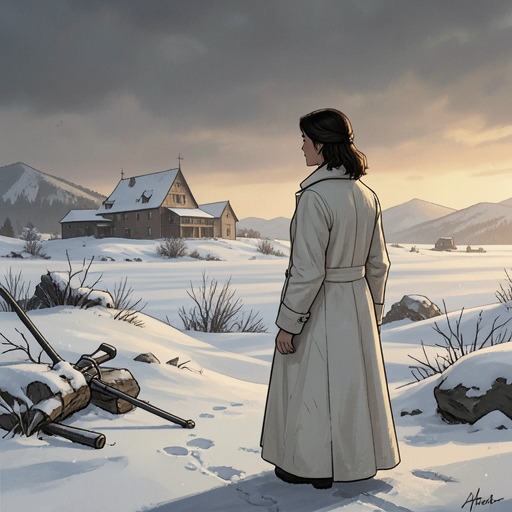
At [Princeton University](entity:organization-recall-organization-princeton-univer-17eff4d3d501), [Bernadette Fox](entity:character-recall-character-bernadette-fox-4221f53cb41e) stood apart from architecture students absorbed in theory and factional disputes. During a classmate’s design review, she asked the practical question everyone else had missed: where visitors would put their shoes.
Her attentiveness to ordinary use, and her pleasure in work others considered beneath them, marked the beginnings of her distinctive architectural vision.
after Princeton
Graves’s Young Architect
[Michael Graves](entity:character-recall-character-michael-graves-f3bf9d37fe1a) hired [Bernadette Fox](entity:character-recall-character-bernadette-fox-4221f53cb41e) for his New York office, where she worked on the Team Disney Building. Assigned to lay out executive bathrooms, she asked detailed questions about how the rooms would actually be used before deciding how to design them.
Her approach could frustrate colleagues, but Graves valued her willingness to take on unglamorous problems and sent her to [Los Angeles](entity:location-recall-location-a4be76fb5f5a) to work on the project there.
the late 1980s
The Getty Assignment
After the Team Disney job, [Bernadette Fox](entity:character-recall-character-bernadette-fox-4221f53cb41e) joined [Richard Meier and Partners](entity:organization-recall-organization-richard-meier-an-b6e7067fef0d) and worked on the [Getty Center](entity:organization-recall-organization-getty-center-c18435064968). Her task involved inspecting and sourcing travertine shipped from Italy, work that she came to experience as repetitive and wasteful.
The experience sharpened her interest in building with what was already at hand rather than treating materials as disposable. That conviction would inform her most celebrated projects.
1988
Meeting Elgin
In [Los Angeles](entity:location-recall-location-a4be76fb5f5a), [Bernadette Fox](entity:character-recall-character-bernadette-fox-4221f53cb41e) met [Elgin Branch](entity:character-recall-character-elgin-branch-2c7af690bdfc), a computer animator. The two married the following year, and Bernadette began looking for a place where she could build a home of her own.
Their relationship joined her restless creative drive to Elgin’s technical ambitions. At first, he trusted her instincts and supported the unusual projects she pursued.
around 1989
The Bifocal Factory
[Bernadette Fox](entity:character-recall-character-bernadette-fox-4221f53cb41e) and [Elgin Branch](entity:character-recall-character-elgin-branch-2c7af690bdfc) bought the abandoned Beeber Bifocal factory in [Los Angeles](entity:location-recall-location-a4be76fb5f5a). Rather than begin with conventional plans, she and contractor [David Walker](entity:character-recall-character-david-walker-e937afffbe87) cleaned the building and studied the discarded frames, lenses, boxes, and machinery inside.
Bernadette knitted wire frames into screens and turned other factory remnants into tables and furniture. The home developed through invention and reuse, becoming a collaborative work rather than a standard renovation.
during the Beeber project
The Watts Towers Proposal
While working at the [Getty Center](entity:organization-recall-organization-getty-center-c18435064968), [Bernadette Fox](entity:character-recall-character-bernadette-fox-4221f53cb41e) imagined using rejected travertine for a visitors center near the Watts Towers. She connected the towers’ reuse of discarded materials with the stone’s fossil patterns and designed a series of viewing platforms around that idea.
Getty management rejected the proposal. The disappointment reinforced her determination to create architecture that wasted nothing, even when established institutions dismissed the effort.
after the Beeber project
The Twenty-Mile Challenge
[Bernadette Fox](entity:character-recall-character-bernadette-fox-4221f53cb41e) and [David Walker](entity:character-recall-character-david-walker-e937afffbe87) began work on a new house in [Los Angeles](entity:location-recall-location-a4be76fb5f5a) under a strict rule: every material had to come from within twenty miles of the site. They salvaged building supplies, recycled steel, and wood from local tree trimmers, shaping the project as they went.
The constraint turned construction into a creative puzzle and gave Bernadette’s green principles architectural form. The resulting house would make her known well beyond the small circle of people who had seen Beeber Bifocal.
during construction of Twenty Mile House
The Neighbor’s White Castle
A lavish Tudor-style mansion rose on the neighboring lot, commissioned by television magnate [Nigel Mills-Murray](entity:character-recall-character-nigel-mills-murray-9fb08e260920). While his house was built quickly and extravagantly, [Bernadette Fox](entity:character-recall-character-bernadette-fox-4221f53cb41e) and [David Walker](entity:character-recall-character-david-walker-e937afffbe87) continued their slower, resourceful work on [Twenty Mile House](entity:location-recall-location-twenty-mile-house-379b105bd432).
A shared driveway and disputes over access and landscaping made the neighbor’s construction a growing source of tension. The conflict would turn into a personal feud that followed Bernadette long after the building was gone.
during the White Castle dispute
The Salvaged Gate
When [Nigel Mills-Murray](entity:character-recall-character-nigel-mills-murray-9fb08e260920) replaced the [White Castle](entity:object-recall-object-white-castle-bddf81ab611c)’s brass fixtures, [Bernadette Fox](entity:character-recall-character-bernadette-fox-4221f53cb41e) retrieved the discarded hardware and soldered it into a gate. Mills-Murray objected to her taking the materials, and a razor-wire fence and security guard soon went up along the shared property.
Bernadette’s resourceful reuse was inseparable from her increasingly consuming anger at the neighbor. She remained convinced the gate was later stolen, though she could not prove it.
during construction of Twenty Mile House
The Oscar Party Tow-Away
When [Nigel Mills-Murray](entity:character-recall-character-nigel-mills-murray-9fb08e260920) held an Oscar party at the [White Castle](entity:object-recall-object-white-castle-bddf81ab611c), his guests’ cars were parked along a shared driveway. [Bernadette Fox](entity:character-recall-character-bernadette-fox-4221f53cb41e) alerted towing companies and arranged for twenty cars to be removed, arguing that the driveway easement permitted passage, not parking.
The scheme was an audacious use of property documents, but it deepened the feud and intensified [Elgin Branch](entity:character-recall-character-elgin-branch-2c7af690bdfc)’s concern about what the conflict was doing to his wife.
April 1992
The MacArthur Fellowship
[Bernadette Fox](entity:character-recall-character-bernadette-fox-4221f53cb41e) received a MacArthur Fellowship for the originality and independence of her work. Visitors from the foundation toured [Twenty Mile House](entity:location-recall-location-twenty-mile-house-379b105bd432) and were struck by the beauty of a building made without conventional finishes or wasteful materials.
The award confirmed that her experimental approach had become an important contribution to architecture. It also gave her the means to consider selling the house and starting over somewhere without a shared driveway.
after the MacArthur Fellowship
The House Is Sold
[Bernadette Fox](entity:character-recall-character-bernadette-fox-4221f53cb41e) agreed to sell [Twenty Mile House](entity:location-recall-location-twenty-mile-house-379b105bd432) through realtor [Judy Toll](entity:character-recall-character-judy-toll-640a1d144752), believing that a friend of the realtor’s was buying it. She and [Elgin Branch](entity:character-recall-character-elgin-branch-2c7af690bdfc) left for Europe before the sale’s final consequences became clear.
The buyer was actually [Nigel Mills-Murray](entity:character-recall-character-nigel-mills-murray-9fb08e260920), acting through his business manager. Bernadette had not understood that the neighbor she despised would own the house she had built.
while Bernadette and Elgin were in Europe
The House Is Demolished
[Paul Jellinek](entity:character-recall-character-paul-jellinek-cadd8b93fe74) arrived at [Twenty Mile House](entity:location-recall-location-twenty-mile-house-379b105bd432) with architecture students and found bulldozers demolishing it. He tried to stop the work, then hurried to a pay phone to tell [Bernadette Fox](entity:character-recall-character-bernadette-fox-4221f53cb41e) what was happening.
Bernadette had not known the buyer was [Nigel Mills-Murray](entity:character-recall-character-nigel-mills-murray-9fb08e260920) and had not authorized the destruction. The loss became a private catastrophe she concealed even from Elgin, and the last house she ever built.
after the destruction of Twenty Mile House
The Seattle Move
After repeated miscarriages and the destruction of her house, [Bernadette Fox](entity:character-recall-character-bernadette-fox-4221f53cb41e) left [Los Angeles](entity:location-recall-location-a4be76fb5f5a) with [Elgin Branch](entity:character-recall-character-elgin-branch-2c7af690bdfc). Elgin’s work brought the family to [Seattle](entity:location-recall-location-seattle-ec620f372076), where Bernadette bought the crumbling former schoolhouse on [Queen Anne Hill](entity:location-recall-location-96a856d3c36b) that had once been called [Straight Gate](entity:location-recall-location-straight-gate-6ee989d8bd3f).
The building’s strange rooms and historic restrictions appealed to her as a difficult architectural problem. In time, however, it became a home that deteriorated around the family while Bernadette struggled to recover from her losses.
about fifteen years before the main events
Bee’s Birth and Heart Crisis
[Bernadette Fox](entity:character-recall-character-bernadette-fox-4221f53cb41e) gave birth prematurely to [Bee Branch](entity:character-recall-character-bee-branch-64749abdd4b2), whose hypoplastic left heart syndrome required multiple surgeries and years of treatment. Bee’s early survival was uncertain, and Bernadette devoted herself almost completely to her daughter’s recovery.
At Bee’s incubator, Bernadette vowed to God that she would never build again if her baby lived. Bee survived, but the vow tied her mother’s future creative life to the fear and gratitude surrounding the crisis.
after Bee’s early surgeries
The Unfinished House
As Bee grew healthier, [Bernadette Fox](entity:character-recall-character-bernadette-fox-4221f53cb41e) did not return to architecture or undertake the substantial repairs [Straight Gate](entity:location-recall-location-straight-gate-6ee989d8bd3f) needed. Roof leaks, damp floors, and failing windows became part of daily life, and the house’s damage spread year after year.
[Elgin Branch](entity:character-recall-character-elgin-branch-2c7af690bdfc) worked longer hours and treated the arrangement as a partnership: Bernadette handled the family while he paid for what was needed. Neither addressed how the house’s deterioration reflected Bernadette’s unresolved grief and stalled creative life.
during the years before Bee’s eighth-grade year
Samantha Takes Shape
At [Microsoft](entity:organization-recall-organization-microsoft-4d3b85f0501a), [Elgin Branch](entity:character-recall-character-elgin-branch-2c7af690bdfc) developed [Samantha](entity:object-recall-object-samantha-13a2baaf6c08), a voice-activated personal robot, and became a prominent figure in the company. Bee remembered the earlier machine as a source of wonder; later, Elgin and his colleagues shifted toward [Samantha 2](entity:object-recall-object-samantha-2-a1d406351620), which used brain signals to control devices.
The project gave Elgin purpose and recognition but also consumed his attention. Bernadette increasingly experienced his work as a life that had pulled him away from her and Bee.
the years before November
Bee’s School Years
[Bee Branch](entity:character-recall-character-bee-branch-64749abdd4b2) thrived at [Galer Street School](entity:location-recall-location-galer-street-school-bbebb375d24d), earning top marks, tutoring younger students, playing flute, and taking a confident role in school life. She was bright and generous, but her small stature and medical history led adults to keep treating her as fragile.
[Bernadette Fox](entity:character-recall-character-bernadette-fox-4221f53cb41e) and [Elgin Branch](entity:character-recall-character-elgin-branch-2c7af690bdfc) supported Bee’s interests, though each parent approached family life differently. Bee’s close bond with her mother became especially important as Elgin spent more time at [Microsoft](entity:organization-recall-organization-microsoft-4d3b85f0501a).
Monday, November 15
The Antarctica Promise
After Bee received an outstanding school report, she reminded her parents of their promise that perfect grades would earn her anything she wanted. She asked for a family trip to [Antarctica](entity:location-recall-location-antarctica-9fe6a407ddcc) over [Christmas](entity:time-recall-time-christmas-a573265d0167), a destination she had been studying for school.
[Bernadette Fox](entity:character-recall-character-bernadette-fox-4221f53cb41e) and [Elgin Branch](entity:character-recall-character-elgin-branch-2c7af690bdfc) hesitated over work, travel, and the expense, but agreed. Bee’s excitement transformed the family’s ordinary dinner into a rare shared celebration.
Tuesday, November 16
Bernadette Hires Manjula
Reluctant to handle travel planning and everyday errands, [Bernadette Fox](entity:character-recall-character-bernadette-fox-4221f53cb41e) asked [Manjula Kapoor](entity:character-recall-character-manjula-kapoor-d5bf07c030d5), a virtual assistant in India, to take on more hours. She arranged the [Antarctica](entity:location-recall-location-antarctica-9fe6a407ddcc) logistics, including flights, cruise preparations, and supplies, and urged secrecy because Elgin disapproved of the arrangement.
Bernadette trusted the service enough to send sensitive family information and pay from her personal account. Unknown to her, the person posing as Manjula was part of an identity-theft scheme.
Wednesday, November 17
Ollie’s School Campaign
[Ollie Ordway](entity:character-recall-character-ollie-ordway-866aa750f12c) presented a plan to move [Galer Street School](entity:location-recall-location-galer-street-school-bbebb375d24d) into the circle of [Seattle](entity:location-recall-location-seattle-ec620f372076)’s wealthiest families. He urged the parent association to pursue a new campus and recruit affluent families he called Mercedes Parents.
[Audrey Griffin](entity:character-recall-character-audrey-griffin-4c2b0c9eaa09) volunteered to host a prospective-parent brunch at her home. The campaign’s ambitions and its fixation on social standing would soon collide with the school’s more idealistic public image.
mid-November
Audrey’s Blackberry Complaint
[Audrey Griffin](entity:character-recall-character-audrey-griffin-4c2b0c9eaa09) discovered that blackberry vines from the steep property above her garden were invading her beds and threatening her house. Her specialist explained that the vines had come from [Bernadette Fox](entity:character-recall-character-bernadette-fox-4221f53cb41e)’s neglected hillside and that removing them would require difficult work.
Audrey wanted the problem resolved before her school brunch. She took the complaint to Bernadette during student pickup, despite school rules against approaching cars in the loading area.
Thursday, November 18
The Pickup Collision Claim
At pickup, [Bernadette Fox](entity:character-recall-character-bernadette-fox-4221f53cb41e) drove away as [Audrey Griffin](entity:character-recall-character-audrey-griffin-4c2b0c9eaa09) approached her car to discuss the blackberry vines. Audrey later said the car ran over her foot and sought treatment at an emergency room, though the doctor found no injury.
[Bee Branch](entity:character-recall-character-bee-branch-64749abdd4b2) witnessed the encounter and believed her mother had not struck anyone. The dispute became public when school communications described the incident, turning a neighborhood grievance into a wider conflict.
Monday, November 22
The School Clarifies Pickup
After initially referring only to the injured parent, [Gwen Goodyear](entity:character-recall-character-gwen-goodyear-ba829724bd40) sent a clarification identifying [Bernadette Fox](entity:character-recall-character-bernadette-fox-4221f53cb41e) as the driver. The correction made the conflict impossible for the school community to ignore.
Bernadette dismissed Audrey and the other parents as “gnats,” a label that captured her contempt but also deepened her isolation. Bee understood the pickup scene differently from the accusations circulating around her.
late November
The Antarctica Preparations
[Bernadette Fox](entity:character-recall-character-bernadette-fox-4221f53cb41e) delegated an extensive [Antarctica](entity:location-recall-location-antarctica-9fe6a407ddcc) packing list to [Manjula Kapoor](entity:character-recall-character-manjula-kapoor-d5bf07c030d5), ordering expedition clothes, books, and oversized fishing vests for the family. She also arranged a [Thanksgiving](entity:time-recall-time-thanksgiving-060be728c565) dinner reservation through her assistant rather than making the call herself.
Her planning showed genuine effort to honor Bee’s wish, even as anxiety about leaving home and dealing with strangers grew. At home, leaks and repairs remained unresolved, and the family continued to adapt around the failing house.
Thanksgiving
The Thanksgiving Dinner
The family spent [Thanksgiving](entity:time-recall-time-thanksgiving-060be728c565) at Daniel’s Broiler after a reservation mix-up. Bee remembered the outing fondly, while Bernadette’s small gestures and sudden enthusiasms made the dinner feel like an unexpected treat.
At home, the leaking roof still required pots, bags, and towels to catch water. The contrast between the family’s celebratory outing and their decaying house reflected how thoroughly they had adapted to conditions that should have seemed extraordinary.
early December
Bee Is Admitted to Choate
[Bee Branch](entity:character-recall-character-bee-branch-64749abdd4b2) was accepted to [Choate Rosemary Hall](entity:location-recall-location-choate-rosemary-hall-6a37494e2297), and the school suggested that her strong assessments might justify skipping a grade. The news thrilled Bee, who wanted to attend the boarding school her parents had described so warmly.
[Elgin Branch](entity:character-recall-character-elgin-branch-2c7af690bdfc) objected to the proposed grade skip, explaining Bee’s early heart surgeries and her need for a normal childhood. His letter defended her steady growth at Galer Street, where she had helped other students despite being academically advanced herself.
early December
Bernadette Frees Ice Cream
When the old house’s shifting frame trapped [Ice Cream](entity:character-recall-character-ice-cream-e981ed22a93b) behind a closet door, [Bernadette Fox](entity:character-recall-character-bernadette-fox-4221f53cb41e) climbed in through a window and kicked the door open from inside. Bee followed her up the ladder and watched her mother act with the competence and decisiveness she rarely displayed in ordinary life.
The rescue briefly revealed the resourceful builder Bernadette had once been. Soon afterward, she celebrated Bee’s school acceptance, even as the prospect of Bee leaving home stirred her fear of separation.
early December
The Grade-Skipping Dispute
[Elgin Branch](entity:character-recall-character-elgin-branch-2c7af690bdfc) wrote to [Choate Rosemary Hall](entity:location-recall-location-choate-rosemary-hall-6a37494e2297) asking the school not to advance [Bee Branch](entity:character-recall-character-bee-branch-64749abdd4b2) a grade. He described her medical history, her adjustment at Galer Street, and the ways she had found purpose by tutoring classmates.
Bee resented being framed as sick when she considered herself healthy. She insisted that her heart condition was long behind her and that the lingering attention of adults, especially around her cough, made her feel misrepresented.
early December
Soo-Lin Joins Samantha 2
After a [Microsoft](entity:organization-recall-organization-microsoft-4d3b85f0501a) downsizing, [Soo-Lin Lee-Segal](entity:character-recall-character-soo-lin-lee-segal-95fa9e20ade5) was assigned to [Elgin Branch](entity:character-recall-character-elgin-branch-2c7af690bdfc)’s high-profile [Samantha 2](entity:object-recall-object-samantha-2-a1d406351620) team. She had feared losing her job but instead gained a promotion and a new role supporting Elgin.
Her professional admiration began to shade into personal fascination. At the same time, she continued corresponding with [Audrey Griffin](entity:character-recall-character-audrey-griffin-4c2b0c9eaa09), whose opinions about Bernadette and Elgin shaped how [Soo-Lin](entity:character-recall-character-soo-lin-022700cbc003) interpreted the family’s troubles.
Friday, December 10
The Pharmacy Encounter
[Bernadette Fox](entity:character-recall-character-bernadette-fox-4221f53cb41e) went downtown to collect powerful medication she hoped would prevent seasickness on the [Drake Passage](entity:location-recall-location-drake-passage-c590ea814d80). A pharmacist warned her about the severe side effects of the requested compound and offered a safer motion-sickness patch and anxiety medication instead.
While waiting in the pharmacy, Bernadette fell asleep on a couch. [Elgin Branch](entity:character-recall-character-elgin-branch-2c7af690bdfc) saw her there, confused by her unusual clothing and the medication story, and became alarmed about how little he understood of her daily life.
Friday, December 10
The Public Recognition
After leaving the pharmacy, [Bernadette Fox](entity:character-recall-character-bernadette-fox-4221f53cb41e) became disoriented downtown and stood outside [Seattle Central Library](entity:location-recall-location-e835f442edce). A graduate student recognized her from an old photograph and spoke enthusiastically about her architectural work.
The encounter overwhelmed Bernadette. She later told [Manjula Kapoor](entity:character-recall-character-manjula-kapoor-d5bf07c030d5) that she felt exposed and feared the way even ordinary contact with strangers could unsettle her, intensifying her doubts about the coming trip.
Friday, December 10
The Blackberry Removal
Tom used a hillside machine to tear out the blackberry vines on [Bernadette Fox](entity:character-recall-character-bernadette-fox-4221f53cb41e)’s property. Bernadette had agreed to the work after [Audrey Griffin](entity:character-recall-character-audrey-griffin-4c2b0c9eaa09) pressed for its completion before the school brunch, although the cleared slope was vulnerable to heavy rain.
Bernadette also had [Manjula Kapoor](entity:character-recall-character-manjula-kapoor-d5bf07c030d5) order a large red-and-yellow sign warning Galer Street parents away from her property. The sign turned a private boundary dispute into a conspicuous provocation.
during the months before Christmas
The Samantha 2 Demonstration
At [TED](entity:organization-recall-organization-ted-e9d673dee827), [Elgin Branch](entity:character-recall-character-elgin-branch-2c7af690bdfc) demonstrated [Samantha 2](entity:object-recall-object-samantha-2-a1d406351620), showing how his brain-computer interface could control ordinary devices without visible movement. The demonstration won an enthusiastic response and made Elgin a celebrated figure within [Microsoft](entity:organization-recall-organization-microsoft-4d3b85f0501a).
For Bernadette, the project represented both her husband’s brilliance and the distance between them. Its promise of controlling devices without physical action also echoed the way she had outsourced more and more of her own life to online help.
Saturday, December 11
The Brunch Landslide
[Audrey Griffin](entity:character-recall-character-audrey-griffin-4c2b0c9eaa09)’s prospective-parent brunch was underway when heavy rain and the cleared hillside sent mud crashing through the house’s sunroom. Children, guests, and caterers escaped the rushing debris; the huge [Galer Street Gnats Sign](entity:object-recall-object-galer-street-gnats-13d6d0bf6b7b) became a dam against the broken windows.
No one was physically hurt, but Audrey’s home was badly damaged and the school event collapsed into chaos. [Helen Derwood](entity:character-recall-character-helen-derwood-69ccb33b0e72) later wrote parents a detailed account of the incident and warned them to watch for signs of trauma in the children.
Saturday, December 11
The Griffin House Is Destroyed
After returning from a storm-disrupted attempt to reach [Bainbridge Island](entity:location-recall-location-fe6ee700d3ef), [Bernadette Fox](entity:character-recall-character-bernadette-fox-4221f53cb41e) learned that the hillside had slid into [Audrey Griffin](entity:character-recall-character-audrey-griffin-4c2b0c9eaa09)’s home during the brunch. The mud destroyed rooms, windows, gardens, and treasured plantings, leaving the Griffin family displaced.
Bernadette immediately offered to pay for the damage. Her calm, however, met Audrey’s fury: the sign and blackberry removal had become the visible causes of a disaster that neither woman could reduce to a simple bill.
Saturday, December 11
The Mudslide Confrontation
[Audrey Griffin](entity:character-recall-character-audrey-griffin-4c2b0c9eaa09) confronted [Bernadette Fox](entity:character-recall-character-bernadette-fox-4221f53cb41e) at the family’s gate, blaming her for the wrecked house and the fallout from the brunch. Bernadette acknowledged that the sign had been a foolish overreaction and accepted responsibility for the consequences of the work she had ordered.
The argument turned personal when Audrey described the mothers’ exclusion of Bernadette and Bee and criticized Bee’s decision to attend boarding school. Bee, already hurt by the attack on her mother, slapped Audrey and defended her family.
December 11
Bee’s Last School Performance
Earlier that day, [Bee Branch](entity:character-recall-character-bee-branch-64749abdd4b2) was due to accompany first graders at Galer Street’s World Celebration Day and choreograph their elephant dance. [Bernadette Fox](entity:character-recall-character-bernadette-fox-4221f53cb41e) had not been told when the performance was, but she found it and came to watch.
Bee saw her mother standing in the doorway as the children sang. Bernadette disappeared before Bee could reach her, making this the last time Bee saw her before the disappearance.
December 11
Bernadette Cancels Antarctica
In the aftermath of the confrontation with [Audrey Griffin](entity:character-recall-character-audrey-griffin-4c2b0c9eaa09), [Bernadette Fox](entity:character-recall-character-bernadette-fox-4221f53cb41e) emailed [Manjula Kapoor](entity:character-recall-character-manjula-kapoor-d5bf07c030d5) to say she could not go to [Antarctica](entity:location-recall-location-antarctica-9fe6a407ddcc). The trip had become entangled with the family crisis and her growing fear of facing other people.
Rather than tell [Elgin Branch](entity:character-recall-character-elgin-branch-2c7af690bdfc) directly, Bernadette began looking for a way to withdraw without being blamed. Her cancellation marked a sharp break from the cheerful preparations she had made for Bee.
December 12
Elgin Seeks Help
After the pharmacy encounter and the confrontation with Audrey, [Elgin Branch](entity:character-recall-character-elgin-branch-2c7af690bdfc) wrote to psychiatrist [Dr. Janelle Kurtz](entity:character-recall-character-dr-janelle-kurtz-3534d8624fe9) about [Bernadette Fox](entity:character-recall-character-bernadette-fox-4221f53cb41e)’s behavior. He described her insomnia, isolation, medication concerns, and the growing deterioration of their marriage and home.
Elgin considered whether he and Bee should travel to [Antarctica](entity:location-recall-location-antarctica-9fe6a407ddcc) while Bernadette received treatment. Dr. Kurtz cautioned him that involuntary commitment required evidence of imminent danger and suggested beginning with outpatient care.
December 13
Bernadette Writes Paul
[Bernadette Fox](entity:character-recall-character-bernadette-fox-4221f53cb41e) sent [Paul Jellinek](entity:character-recall-character-paul-jellinek-cadd8b93fe74) a long account of her life in [Seattle](entity:location-recall-location-seattle-ec620f372076) and the history of [Twenty Mile House](entity:location-recall-location-twenty-mile-house-379b105bd432). She admitted that she had never recovered from its destruction and that she had carried shame over her own part in the feud with [Nigel Mills-Murray](entity:character-recall-character-nigel-mills-murray-9fb08e260920).
She also connected her stalled creativity, miscarriages, Bee’s medical crisis, and social isolation to the person she had become. Paul answered bluntly that she needed to create again or risk becoming a menace to society.
mid-December
The Griffins Move to the Westin
With their house uninhabitable, [Audrey Griffin](entity:character-recall-character-audrey-griffin-4c2b0c9eaa09), [Warren Griffin](entity:character-recall-character-warren-griffin-6308d8efa57b), and [Kyle Griffin](entity:character-recall-character-kyle-griffin-1f45c06622d8) moved into [The Westin Seattle](entity:location-recall-location-the-westin-seattle-75dd321c8d60). Audrey tried to present the stay as a holiday adventure, but noise, poor sleep, and Kyle’s worsening behavior quickly frayed her composure.
She wrote to [Soo-Lin Lee-Segal](entity:character-recall-character-soo-lin-lee-segal-95fa9e20ade5) about missing the days when the school community’s chief complaint had been Bernadette. The displacement also brought Audrey face to face with troubles inside her own family.
December 20
Audrey Is Arrested
[Audrey Griffin](entity:character-recall-character-audrey-griffin-4c2b0c9eaa09) complained about noise from a hotel room she believed was empty. The night manager traced the party to [Kyle Griffin](entity:character-recall-character-kyle-griffin-1f45c06622d8)’s room, where he found Kyle with several young people and drug paraphernalia.
Audrey attacked the manager verbally and then grabbed his hair when he tried to enter. Police arrested her for disorderly conduct and assault, while the discovery of the gathering exposed the seriousness of Kyle’s drug use.
December 20
The Identity Scheme Is Exposed
FBI regional director [Marcus Strang](entity:character-recall-character-marcus-strang-e4c813bf9f35) told [Elgin Branch](entity:character-recall-character-elgin-branch-2c7af690bdfc) that the person posing as [Manjula Kapoor](entity:character-recall-character-manjula-kapoor-d5bf07c030d5) was part of a Russian identity-theft operation. [Bernadette Fox](entity:character-recall-character-bernadette-fox-4221f53cb41e) had shared passports, social security numbers, banking details, and other personal information with the fake assistant.
The criminals had even requested power of attorney while the family was expected to be abroad. The warning reframed Bernadette’s trust in Manjula as a dangerous security breach, but also showed that the threat was real rather than an invention of her anxiety.
December 20–21
The Family Intervention Is Planned
With the FBI’s evidence in hand, [Elgin Branch](entity:character-recall-character-elgin-branch-2c7af690bdfc) pressed [Dr. Janelle Kurtz](entity:character-recall-character-dr-janelle-kurtz-3534d8624fe9) to consider inpatient treatment for [Bernadette Fox](entity:character-recall-character-bernadette-fox-4221f53cb41e). Dr. Kurtz remained wary of committing someone without meeting her, but agreed to discuss an intervention and refer him to specialists.
As Elgin faced the possibility that Bernadette might be a danger to herself, [Soo-Lin Lee-Segal](entity:character-recall-character-soo-lin-lee-segal-95fa9e20ade5) managed his work obligations and helped keep the planned intervention private. Elgin also arranged for his brother, [Van Branch](entity:character-recall-character-van-branch-e50b79ac2c13), to come to [Seattle](entity:location-recall-location-seattle-ec620f372076) and spend time with Bee.
the night before the intervention
Soo-Lin and Elgin’s Affair
After dinner with [Van Branch](entity:character-recall-character-van-branch-e50b79ac2c13), [Soo-Lin Lee-Segal](entity:character-recall-character-soo-lin-lee-segal-95fa9e20ade5) and [Elgin Branch](entity:character-recall-character-elgin-branch-2c7af690bdfc) shared a night at a hotel. [Soo-Lin](entity:character-recall-character-soo-lin-022700cbc003) had interpreted their growing work connection and Elgin’s confidences as evidence that he returned her feelings, while Elgin was still consumed by his marriage and Bernadette’s crisis.
Their sexual encounter was brief and awkward, and Elgin’s thoughts remained with Bernadette. Soo-Lin nevertheless became pregnant, a consequence that would complicate the family’s already unstable future.
December 21–22
Bee Is Sent to Van
[Elgin Branch](entity:character-recall-character-elgin-branch-2c7af690bdfc) told Bee that [Van Branch](entity:character-recall-character-van-branch-e50b79ac2c13) was coming to [Seattle](entity:location-recall-location-seattle-ec620f372076) and asked her to meet him at the airport. He said Van would help with the dog while the family traveled, concealing the intervention plan from his daughter.
Bernadette noticed the unusual tension between her husband and herself, the unfilled suitcase among the [Antarctica](entity:location-recall-location-antarctica-9fe6a407ddcc) luggage, and Elgin’s abrupt departure after stopping briefly at home. She did not yet know that he was organizing treatment behind her back.
Wednesday, December 22
The Planned Intervention
[Dr. Janelle Kurtz](entity:character-recall-character-dr-janelle-kurtz-3534d8624fe9) and [Elgin Branch](entity:character-recall-character-elgin-branch-2c7af690bdfc) prepared to confront [Bernadette Fox](entity:character-recall-character-bernadette-fox-4221f53cb41e) at her dentist’s office. Their plan followed the Johnson Model: present reality, express love, describe harm, offer support, and urge her to accept treatment.
Before they could leave, Bernadette came home and found Elgin, Dr. Kurtz, [Soo-Lin Lee-Segal](entity:character-recall-character-soo-lin-lee-segal-95fa9e20ade5), [Marcus Strang](entity:character-recall-character-marcus-strang-e4c813bf9f35), and police personnel gathered there. The confrontation began in her own living room rather than in the controlled setting they had arranged.
December 22
The Intervention Turns
Bernadette initially believed the gathering concerned Bee, then learned that the assistant she trusted was a criminal alias and that her family’s information had been compromised. She admitted she had made a serious mistake but resisted the group’s attempt to define her as incapable and dangerous.
Elgin’s carefully rehearsed anger broke through the intervention’s steps. He attacked Bernadette over her secrecy, her stalled career, and the strain on their marriage, while she acknowledged that she needed help but asked to repair their family together.
December 22
Bernadette Escapes the House
As the intervention continued, Bernadette realized that Detective Driscoll was the man she had thought was following her. Her relief at discovering that her suspicion had been correct briefly punctured the group’s argument over her mental state.
Bernadette excused herself to use the bathroom and vanished through a concealed route into the overgrown basement. The searchers found the window closed and the house empty, then discovered the basement entrance and heard a weed whacker start below.
December 22
Audrey Saves Bernadette
[Audrey Griffin](entity:character-recall-character-audrey-griffin-4c2b0c9eaa09) discovered the FBI documents and Elgin’s notes in [Soo-Lin Lee-Segal](entity:character-recall-character-soo-lin-lee-segal-95fa9e20ade5)’s belongings. She recognized that her false claim about her injured foot and her insistence on removing the blackberries had helped create the evidence being used against Bernadette.
Audrey copied the records, then used [Kyle Griffin](entity:character-recall-character-kyle-griffin-1f45c06622d8)’s computer skills to access [Soo-Lin](entity:character-recall-character-soo-lin-022700cbc003)’s and Elgin’s accounts and learn of the intervention. She reached Bernadette through a side window, led her across the hill to the Griffins’ damaged home, and gave her a fuller account of the truth.
December 22
Bernadette Leaves Seattle
At [Audrey Griffin](entity:character-recall-character-audrey-griffin-4c2b0c9eaa09)’s kitchen table, [Bernadette Fox](entity:character-recall-character-bernadette-fox-4221f53cb41e) read the dossier Audrey had assembled from the emails and records. She recognized the scale of the harm she had caused and admitted that, had the opportunity remained, she would have given the impostor posing as Manjula power of attorney.
Bernadette asked Audrey to make sure Bee received the documents. She then slipped away, leaving Audrey to send the dossier to Bee at [Choate Rosemary Hall](entity:location-recall-location-choate-rosemary-hall-6a37494e2297) without a return address.
the morning after the intervention
Bee Sees Bernadette
[Bee Branch](entity:character-recall-character-bee-branch-64749abdd4b2) performed with first graders at World Celebration Day. [Bernadette Fox](entity:character-recall-character-bernadette-fox-4221f53cb41e) had appeared at the event before returning home, and Bee caught sight of her watching from the doorway during the elephant song.
By the time Bee looked again, Bernadette had disappeared. The moment became the last time Bee saw her mother in [Seattle](entity:location-recall-location-seattle-ec620f372076), leaving Bee to make sense of a sudden absence that no one had explained to her.
December 23
Bernadette Boards for Antarctica
[Bernadette Fox](entity:character-recall-character-bernadette-fox-4221f53cb41e) had intended to avoid the family trip by arranging to have her wisdom teeth removed. After the intervention, she canceled the appointment and boarded a flight, hoping to find Bee and [Elgin Branch](entity:character-recall-character-elgin-branch-2c7af690bdfc) in person.
When she discovered Bee was not traveling with Elgin, Bernadette continued south instead of returning home. She boarded the [H&H Allegra](entity:object-recall-object-h-h-allegra-451d7cf01e22) under her own name, using the planned family voyage to disappear into [Antarctica](entity:location-recall-location-antarctica-9fe6a407ddcc).
late December
Bernadette Finds the Ice
After two days of severe seasickness, [Bernadette Fox](entity:character-recall-character-bernadette-fox-4221f53cb41e) reached the [Antarctic Peninsula](entity:location-recall-location-edd7fd569f5a) and was overwhelmed by the icebergs, water, and immense scale of the landscape. She spent her time kayaking and avoiding most social contact, finding relief in the chance to stop monitoring her own racing thoughts.
A marine biologist named [Becky](entity:character-recall-character-becky-b2d09bb6c315) told her about [Palmer Station](entity:organization-recall-organization-palmer-station-5e2bd7307cb7) and its scientific work. Bernadette’s curiosity returned as she learned about the station and the proposed rebuilding of the [South Pole](entity:location-recall-location-e676b6a0bf76) facility.
early January
Bernadette Stows Away
When [Becky](entity:character-recall-character-becky-b2d09bb6c315) left the cruise ship for [Palmer Station](entity:organization-recall-organization-palmer-station-5e2bd7307cb7) aboard the research vessel [RV Laurence M. Gould](entity:object-recall-object-m-0b70790d5a81), Bernadette seized an unexpected chance to follow. She helped load supplies onto a Zodiac and crossed to the research ship without scanning off the [Allegra](entity:object-recall-object-allegra-946b6aed7dcd).
The missing scan meant that the cruise ship’s records would continue to show her aboard. Once at Palmer, Bernadette persuaded operations manager [Ellen Idelson](entity:character-recall-character-ellen-idelson-946f7b6fc41e) to let her work and began pursuing a chance to visit [South Pole Station](entity:organization-recall-organization-south-pole-stati-5523be51ed6d).
late December
The Failed Brunch Scandal Spreads
While Bernadette was working her way toward [Palmer Station](entity:organization-recall-organization-palmer-station-5e2bd7307cb7), [Elgin Branch](entity:character-recall-character-elgin-branch-2c7af690bdfc)’s attention remained divided between the family crisis and his demanding [Microsoft](entity:organization-recall-organization-microsoft-4d3b85f0501a) team. He asked [Dr. Janelle Kurtz](entity:character-recall-character-dr-janelle-kurtz-3534d8624fe9) to conduct an intervention, and [Soo-Lin Lee-Segal](entity:character-recall-character-soo-lin-lee-segal-95fa9e20ade5)’s growing closeness to him became more than a workplace friendship.
[Audrey Griffin](entity:character-recall-character-audrey-griffin-4c2b0c9eaa09), displaced at the hotel and increasingly troubled by Kyle, remained caught between anger at Bernadette and fear of what the intervention might do. Her eventual decision to intervene on Bernadette’s behalf changed the meaning of their feud.
late December
Audrey Faces Her Own Truth
After the intervention, [Audrey Griffin](entity:character-recall-character-audrey-griffin-4c2b0c9eaa09) continued to deal with the consequences of [Kyle Griffin](entity:character-recall-character-kyle-griffin-1f45c06622d8)’s behavior and the collapse of her home. She later learned that Kyle’s drug use was serious and that he needed more help than school discipline could provide.
Audrey’s certainty about her own righteousness began to give way to self-examination. She ultimately sought spiritual support and acknowledged that her lies and exaggerations had helped put Bernadette at risk.
January, while Bee is at Choate
Bee Receives the Dossier
[Bee Branch](entity:character-recall-character-bee-branch-64749abdd4b2) arrived at [Choate Rosemary Hall](entity:location-recall-location-choate-rosemary-hall-6a37494e2297) after her parents arranged for her to begin early. She struggled to fit in, withdrawing from meals and classmates while trying to cope with [Bernadette Fox](entity:character-recall-character-bernadette-fox-4221f53cb41e)’s disappearance.
[Audrey Griffin](entity:character-recall-character-audrey-griffin-4c2b0c9eaa09)’s envelope of documents reached Bee without a return address. Bee read the emails, reports, and records and began turning them into a book, determined to find the truth her father had not given her.
January 16
Bernadette Disappears from the Ship
At the end of the cruise, the [Allegra](entity:object-recall-object-allegra-946b6aed7dcd) crew could not find [Bernadette Fox](entity:character-recall-character-bernadette-fox-4221f53cb41e). Her electronic card showed her aboard earlier in the voyage, but she did not answer repeated calls, appear for disembarkation, or settle her charges.
A search found no trace of her on the ship. The cruise company’s account and the captain’s report left her family facing the possibility that she had fallen overboard during rough seas, though neither report could establish what had happened.
January
Soo-Lin Admits Her Feelings
[Soo-Lin Lee-Segal](entity:character-recall-character-soo-lin-lee-segal-95fa9e20ade5) told [Audrey Griffin](entity:character-recall-character-audrey-griffin-4c2b0c9eaa09) that she was carrying [Elgin Branch](entity:character-recall-character-elgin-branch-2c7af690bdfc)’s child and had left [Microsoft](entity:organization-recall-organization-microsoft-4d3b85f0501a), believing their growing bond might lead to a shared future. She also described how Bernadette’s disappearance had left Elgin and Bee grieving and estranged.
Audrey’s response was supportive, but the situation remained unstable. Elgin did not move in with [Soo-Lin](entity:character-recall-character-soo-lin-022700cbc003), and Bee refused to accept the new relationship as a replacement for her mother.
January
Bee Leaves Choate
[Bee Branch](entity:character-recall-character-bee-branch-64749abdd4b2)’s teachers at [Choate Rosemary Hall](entity:location-recall-location-choate-rosemary-hall-6a37494e2297) became concerned that she was not thriving. She withdrew from the dining hall, struggled to connect with her roommate, and spent hours watching performances of “[O Holy Night](entity:expression-recall-expression-o-holy-night-b4b2943c43b7).”
After Bee’s roommate found the book Bee was writing from the dossier, the school urged [Elgin Branch](entity:character-recall-character-elgin-branch-2c7af690bdfc) to bring her home. He withdrew Bee from [Choate](entity:location-recall-location-choate-f4dd24372bc7), recognizing that she needed her family more than she needed an accelerated academic path.
late January
Bee Returns to Seattle
[Elgin Branch](entity:character-recall-character-elgin-branch-2c7af690bdfc) brought [Bee Branch](entity:character-recall-character-bee-branch-64749abdd4b2) back to [Seattle](entity:location-recall-location-seattle-ec620f372076), but she remained furious with him and refused to live as if [Bernadette Fox](entity:character-recall-character-bernadette-fox-4221f53cb41e) were dead. She chose [Bernadette’s Airstream](entity:location-recall-location-bernadette-s-airstre-f97b63354c6f) as her place to sleep and would not return to [Galer Street School](entity:location-recall-location-galer-street-school-bbebb375d24d).
Bee’s book became the center of the family’s conflict. Its documents exposed the choices and secrets of the adults around her, while Bee’s refusal to accept their explanations kept the search for her mother alive.
late January
Soo-Lin’s Confession
After a failed attempt to persuade herself that [Elgin Branch](entity:character-recall-character-elgin-branch-2c7af690bdfc) loved her, [Soo-Lin Lee-Segal](entity:character-recall-character-soo-lin-lee-segal-95fa9e20ade5) wrote an account of her own part in the relationship. At a support-group meeting, she was challenged to distinguish her feelings from the story she had constructed about Elgin’s intentions.
She acknowledged that she had mistaken his vulnerability and professional dependence for romantic commitment. Elgin’s priorities remained with Bernadette and Bee, leaving [Soo-Lin](entity:character-recall-character-soo-lin-022700cbc003) to face the pregnancy and the limits of the future she had imagined.
after Bee returns from Choate
Elgin and Bee Set Out
When Bee learned the cruise company’s account of Bernadette’s disappearance, she remained convinced that her mother had left clues. [Elgin Branch](entity:character-recall-character-elgin-branch-2c7af690bdfc) agreed to take her to [Antarctica](entity:location-recall-location-antarctica-9fe6a407ddcc), hoping the voyage might give them time together and some form of closure.
The trip was no longer a family holiday. Bee treated the captain’s report and her mother’s last recorded movements as evidence to investigate, while Elgin feared that encouraging her search would only deepen her grief.
during the voyage to Antarctica
The Search Begins at Sea
[Bee Branch](entity:character-recall-character-bee-branch-64749abdd4b2) studied the captain’s report aboard the [Allegra](entity:object-recall-object-allegra-946b6aed7dcd) and tried to reconstruct [Bernadette Fox](entity:character-recall-character-bernadette-fox-4221f53cb41e)’s final days. She learned from the gift shop crew that her mother had spent hundreds of dollars there and that a motion-sickness cream had been available on the ship.
Elgin, still shaken by his wife’s disappearance and his own injury, tried to treat the voyage as a chance to reconnect with Bee. She rejected his attempts at easy cheer and focused on finding a clue that might prove Bernadette had survived.
during the Antarctic voyage
Bee Finds Port Lockroy Empty
At [Port Lockroy](entity:location-recall-location-729981beaa18), [Bee Branch](entity:character-recall-character-bee-branch-64749abdd4b2) hoped that [Bernadette Fox](entity:character-recall-character-bernadette-fox-4221f53cb41e) might have remained behind at the historic station. She questioned the two women who lived there and searched the small museum, only to learn that they were the station’s entire resident staff.
The discovery broke Bee’s hope that her mother was waiting at the outpost. Elgin found her outside, and the two shared their grief rather than trying to pretend the trip had already given them closure.
during the Antarctic voyage
Bee and Elgin Reconnect
After Bee’s disappointment at [Port Lockroy](entity:location-recall-location-729981beaa18), she and [Elgin Branch](entity:character-recall-character-elgin-branch-2c7af690bdfc) sat together outside and admitted how much they missed [Bernadette Fox](entity:character-recall-character-bernadette-fox-4221f53cb41e). Elgin told Bee that he had been trying to get her mother help, even though his choices had badly hurt his daughter’s trust.
The conversation softened the distance between them. Bee listened as Elgin explained his guilt and his failure to recognize how completely Bernadette’s creativity had disappeared from their lives.
late in the Antarctic voyage
The Lost Voyage Map
Bee and [Elgin Branch](entity:character-recall-character-elgin-branch-2c7af690bdfc) studied Bernadette’s Antarctic voyage map after noticing the names of research vessels in its markings. At [Palmer Station](entity:organization-recall-organization-palmer-station-5e2bd7307cb7), a scientist ordered the same pink penguin drink recorded on Bernadette’s ship bill.
The marks showed that research vessels had crossed paths with the [Allegra](entity:object-recall-object-allegra-946b6aed7dcd), suggesting Bernadette might have left the cruise ship without scanning out. The possibility gave Bee a concrete lead at last.
late in the Antarctic voyage
A Zodiac to Palmer
[Elgin Branch](entity:character-recall-character-elgin-branch-2c7af690bdfc) realized that [Bernadette Fox](entity:character-recall-character-bernadette-fox-4221f53cb41e) might have escaped the [Allegra](entity:object-recall-object-allegra-946b6aed7dcd) at a point where research vessels met the cruise ship. He and [Bee Branch](entity:character-recall-character-bee-branch-64749abdd4b2) secretly took a Zodiac toward [Palmer Station](entity:organization-recall-organization-palmer-station-5e2bd7307cb7), risking discovery by the ship’s crew.
At the station, Elgin stayed behind as the crew confronted them, while Bee went ahead to search. Their unauthorized landing turned the search from speculation into a last chance to find Bernadette in person.
late in the Antarctic voyage
Bee Finds Bernadette
Inside [Palmer Station](entity:organization-recall-organization-palmer-station-5e2bd7307cb7), [Bee Branch](entity:character-recall-character-bee-branch-64749abdd4b2) found a [Galer Street School](entity:location-recall-location-galer-street-school-bbebb375d24d) shirt drying near a leaking pot, proof that her mother had been there. [Bernadette Fox](entity:character-recall-character-bernadette-fox-4221f53cb41e) appeared moments later in work clothes, and mother and daughter embraced after weeks of separation.
Bernadette had not received Bee’s letters because Bee had never known where she was. Bee explained that she had found her by retracing her mother’s path, while Bernadette tried to understand how her daughter had followed it so far.
at Palmer Station
The Locket’s Message
[Bee Branch](entity:character-recall-character-bee-branch-64749abdd4b2) gave [Bernadette Fox](entity:character-recall-character-bernadette-fox-4221f53cb41e) a small velvet bag from [Elgin Branch](entity:character-recall-character-elgin-branch-2c7af690bdfc). Inside was the silver locket containing Saint Bernadette’s photograph and a card listing Bee as her third miracle, followed by the words “your escape” and “fourteen miracles to go.”
Bernadette understood the gift as a message from the husband she had left behind. It suggested that Elgin still saw her life as a sequence of creative visions and that he had not abandoned hope for their marriage.
February 21
The Missing Letter Arrives
Back at [Galer Street School](entity:location-recall-location-galer-street-school-bbebb375d24d), [Bee Branch](entity:character-recall-character-bee-branch-64749abdd4b2) found a stamped envelope from [Bernadette Fox](entity:character-recall-character-bernadette-fox-4221f53cb41e) in her school cubby. The letter had been written weeks earlier in [Antarctica](entity:location-recall-location-antarctica-9fe6a407ddcc) and had arrived long after Bee had already found her mother.
Bee gave her draft book to [Mr. Levy](entity:character-recall-character-mr-levy-cab076c31ea5) and agreed to expand it into a spring research project. The missing letter would add Bernadette’s account to the documents Bee had gathered from others.
January 7, read in February
Bernadette Explains Her Escape
In her letter, [Bernadette Fox](entity:character-recall-character-bernadette-fox-4221f53cb41e) described leaving the airport for [Antarctica](entity:location-recall-location-antarctica-9fe6a407ddcc) after realizing she needed distance from [Seattle](entity:location-recall-location-seattle-ec620f372076), [Elgin Branch](entity:character-recall-character-elgin-branch-2c7af690bdfc), and the life she had allowed to shrink around her. The ice and isolation quieted her anxiety, while her curiosity about Antarctic construction gradually revived her appetite for work.
Bernadette admitted that she had failed Bee in many ways and promised that the family would leave [Straight Gate](entity:location-recall-location-straight-gate-6ee989d8bd3f). She urged Bee not to hate Elgin, and said she would return to create again rather than remain trapped in shame.
during her stay at Palmer Station
Bernadette Plans a New Project
At [Palmer Station](entity:organization-recall-organization-palmer-station-5e2bd7307cb7), [Bernadette Fox](entity:character-recall-character-bernadette-fox-4221f53cb41e) learned that the [South Pole](entity:location-recall-location-e676b6a0bf76) station was due to be rebuilt and that its remote location made waste and logistics central design problems. Her experience with reuse and the Twenty-Mile Materials Principle suddenly had a new purpose.
She persuaded [Ellen Idelson](entity:character-recall-character-ellen-idelson-946f7b6fc41e) to arrange passage toward [McMurdo Station](entity:location-recall-location-2b299fd259cf) and, if possible, a flight to the Pole. The project gave Bernadette a reason to work again and turned her Antarctic escape into the beginning of a new architectural ambition.
during Bernadette’s Palmer Station stay
The Wisdom Tooth Obstacle
[Bernadette Fox](entity:character-recall-character-bernadette-fox-4221f53cb41e) learned that anyone traveling to the [South Pole](entity:location-recall-location-e676b6a0bf76) needed to have their wisdom teeth removed, because dental emergencies could require an expensive evacuation. Her earlier plan to have the teeth extracted at home had been abandoned, leaving her unexpectedly unprepared.
A veterinarian and station doctor agreed to perform the extraction at Palmer. The operation became another improvised step in Bernadette’s effort to reach the Pole and pursue the work that had once seemed permanently behind her.
at the end of Bernadette’s letter
A Choice for Bee
[Bernadette Fox](entity:character-recall-character-bernadette-fox-4221f53cb41e) asked [Bee Branch](entity:character-recall-character-bee-branch-64749abdd4b2) to decide whether she should continue toward the [South Pole](entity:location-recall-location-e676b6a0bf76) or return home. She promised to leave the family’s decaying house, give up her isolation, and work toward a new life if Bee would support her journey.
Her message ended not with a claim that everything had been repaired, but with a promise to move forward. Bee’s search had brought her mother back into contact with the family, while Bernadette’s renewed purpose offered the possibility of a future beyond disappearance.