
The Limits of Diagnosis
Where'd You Go BernadetteThe novel questions how readily observers turn troubling behavior into a diagnosis, while acknowledging that Bernadette’s distress and need for help are real.
increasing Bearing strength in each event
 decreasing
Bearing strength in each eventdecreasingBehavior Observed from Outside

Behavior Observed from Outside
A series of alarming signs
Elgin notices Bernadette’s insomnia, social withdrawal, medication collection, and distress about travel. He fears that she is becoming seriously ill.
Observation is not explanation
The signs matter, but they do not by themselves explain the causes or establish a diagnosis. The novel presents a gap between seeing behavior and understanding a person’s history.
A Pharmacy Misunderstanding
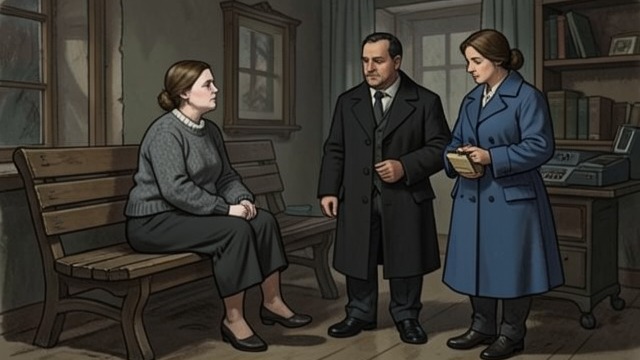
A Pharmacy Misunderstanding
A frightening encounter
Bernadette seeks medication for seasickness and anxiety, but the pharmacy warns her about the risks of the compound cream. She falls asleep while waiting and is discovered by Elgin and Soo-Lin.
One scene, competing meanings
Elgin sees a possible psychiatric crisis; Bernadette experiences an exhausting public encounter and an unsuccessful attempt to obtain medicine. The scene is concerning without being a complete account of her health.
A Legal Threshold
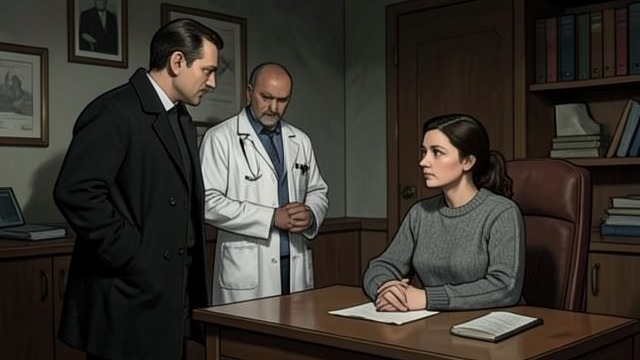
A Legal Threshold
Concern meets civil rights
Dr. Kurtz explains the requirements for involuntary treatment and recommends outpatient therapy as a first step. The law demands evidence of immediate danger, not simply behavior that a family finds difficult.
The stakes of certainty
Elgin’s wish to secure care becomes entangled with fear of what may happen if he waits. The procedure forces the question of whether his concern justifies overriding Bernadette’s autonomy.
A Diagnosis Without a Meeting
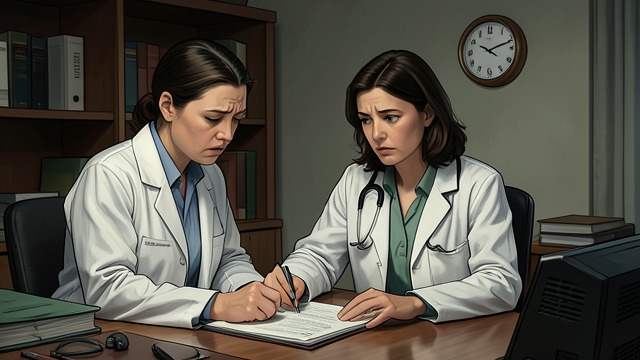
A Diagnosis Without a Meeting
A provisional theory
Dr. Kurtz considers possible explanations based mainly on Elgin’s account, including anxiety, depression, and medication misuse. She remains cautious about making a formal determination without seeing Bernadette.
The danger of borrowed certainty
As new allegations arrive, the pressure to act grows faster than the clinical understanding. The novel makes the intervention’s authority feel uncertain because the patient herself has not yet been heard.
The Person Behind the File
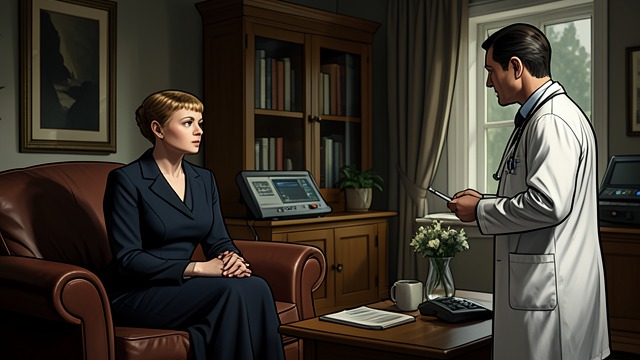
The Person Behind the File
First direct assessment
Dr. Kurtz meets Bernadette in her own home and observes a composed, well-groomed woman who asks pointed questions. The encounter complicates the image assembled from reports.
Need without reduction
Bernadette’s behavior remains troubling, and she admits she needs help after the financial scam is revealed. Yet the crisis cannot be reduced to a label; the doctor must reckon with context, agency, and her own role in the intervention.
During the weeks before Christmas
December 10
Mid-December, in Elgin’s correspondence with Dr. Kurtz
Before the planned intervention
During the intervention at Straight Gate
