
Creation Versus Avoidance
Where'd You Go BernadetteThe novel links Bernadette’s worsening isolation to the loss of creative work and presents renewed making as a possible route out of stagnation.
increasing Bearing strength in each event
 decreasing
Bearing strength in each eventdecreasingWork That Once Flourished
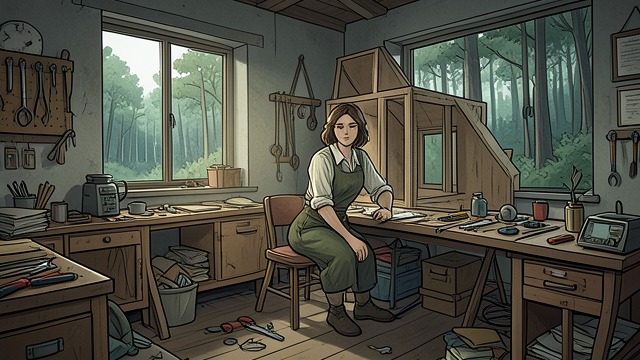
Work That Once Flourished
Inventive labor
Bernadette finds satisfaction in designing through materials and constraints. Her homes grow from close observation, reuse, and hands-on collaboration rather than abstract prestige.
Recognition and vitality
The MacArthur Fellowship confirms the unusual value of her work. She is most alive when a difficult problem asks her to invent a physical solution.
Grief Hidden from Elgin
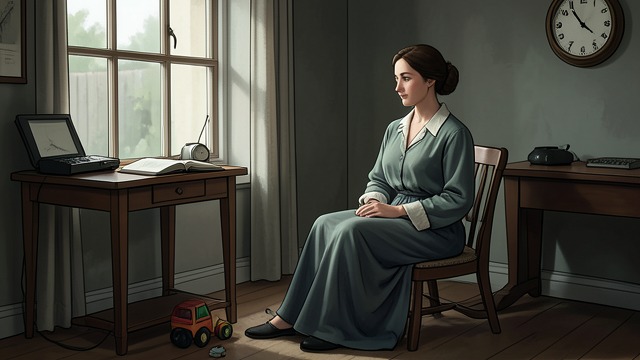
Grief Hidden from Elgin
A private wound
Bernadette carries the destruction of the Twenty Mile House as evidence that she failed. She lets Elgin’s reassurance about miscarriages stand in for a grief she cannot name.
Distance grows
Because she cannot tell him what she is mourning, Elgin mistakes her silence for withdrawal from work and family. Their love remains, but the most important part of her pain is concealed.
A Vow and Its Cost
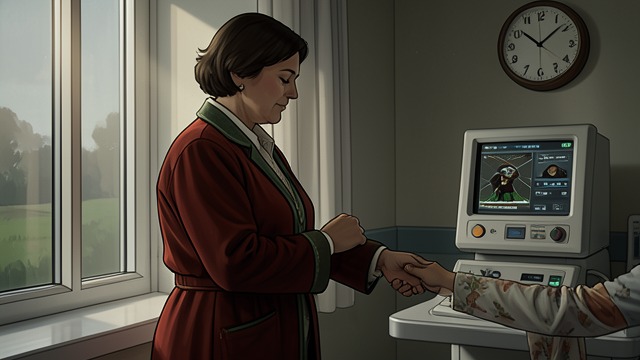
A Vow and Its Cost
A bargain in crisis
Bernadette vows never to build again if Bee survives. The promise becomes a sacred answer to fear at the hospital incubator.
A life narrowed
The vow gives Bernadette a sense of agency when her daughter’s survival is uncertain. Afterward, however, it also shuts down the practice that had given her purpose and pleasure.
Stagnation and Distress
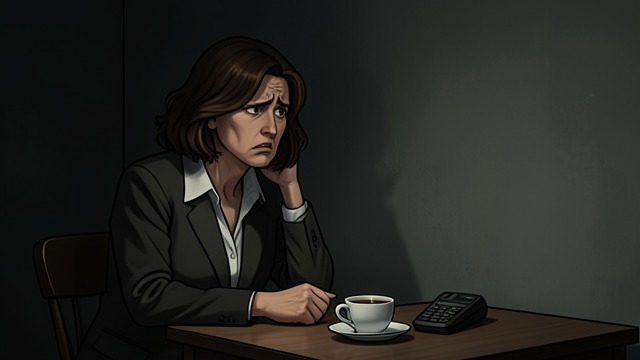
Stagnation and Distress
Energy redirected
Bernadette’s architectural attention turns into long complaints about Seattle, social encounters, and everyday annoyances. Her insomnia and isolation make ordinary demands feel increasingly threatening.
A loss of creative outlet
Without a project to organize her attention, frustration fills the space creation once occupied. Paul Jellinek warns that she needs to make something or risk becoming destructive.
A New Design Ambition

A New Design Ambition
The problem returns
At Palmer Station, Bernadette encounters the challenge of designing a structure for the South Pole. Its material and transport constraints awaken the creative habits she had abandoned.
Choosing to continue
She arranges a possible flight and asks Bee for support. The prospect does not erase past failure, but it gives Bernadette a concrete future shaped by making rather than resentment.
Before Bernadette’s move to Seattle
After the Twenty Mile House is demolished
At Bee’s birth and during her early surgeries
The years immediately before the main story
During Bernadette’s Antarctic stay
