
Restoration as the Final Promise
Who's Causing Your TroubleThis flow traces the book’s promise that stolen goods, opportunities, and blessings can be recovered through salvation and resistance.
increasing Bearing strength in each event
 decreasing
Bearing strength in each eventdecreasingLoss Recognized

Loss Recognized
A Catalogue of Damage
The book names sickness, disappointment, robbery, and personal failure as forms of trouble. These losses are treated as concrete effects of an adversary’s activity.
Refusal of Resignation
Because the damage is attributed to an enemy rather than accepted as inevitable, the reader is encouraged to seek recovery. The first step toward restoration is refusing to normalize destruction.
The promise begins with an honest inventory of what has been taken.
Thief Discovered

Thief Discovered
Scriptural Principle
The book cites the rule that a discovered thief must repay. It applies this legal image to Satan, portraying him as the real thief behind spiritual and material losses.
Moral Reversal
The image reverses the reader’s posture. Instead of pleading helplessly before damage, the believer is invited to identify the thief and demand accountability.
Restoration is framed as a justified response to theft.
Salvation Begins
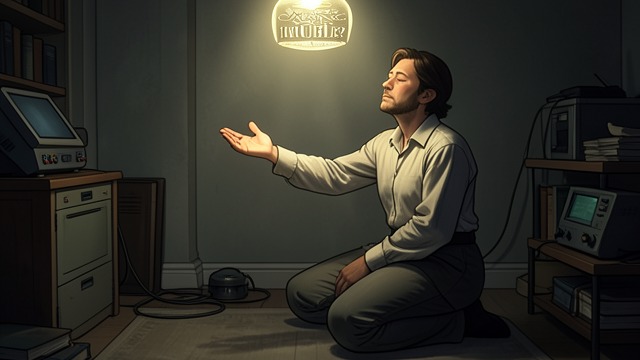
Salvation Begins
A Necessary Foundation
The book says restoration and every other Kingdom benefit begin with accepting Jesus Christ as personal Savior. Salvation is not presented as a minor preliminary but as the doorway to the entire process.
Allegiance Changed
The convert stops serving the God of this world and begins serving the God of the Word. Restoration follows a decisive change in spiritual allegiance.
The promise is therefore rooted in belonging before it is expressed as recovery.
Authority Assumed

Authority Assumed
A New Position
Born-again believers are described as seated with Jesus Christ in Heavenly places. This position is interpreted as a clearer vantage point from which to recognize and confront Satan.
Responsibility to Act
The believer must stop blaming people and circumstances and begin exercising God-given authority. Restoration is connected to active resistance rather than passive expectation.
The reader’s identity changes from victim of confusion to participant in spiritual conflict.
Sevenfold Hope

Sevenfold Hope
Beyond Mere Recovery
The closing declaration promises that Satan must return what he has stolen and repay sevenfold. Restoration is imagined as more than replacement; it is an abundant reversal of loss.
Confident Ending
The language of sevenfold return gives the reader a concrete image of justice. The book ends not with an abstract assurance but with an aggressive expectation of repayment.
The restoration thread resolves in a public claim on the enemy’s obligation.
before the book’s restoration teaching
during the teaching on biblical restitution
near the transition to the closing appeal
after the salvation appeal
in the final confession
