
Free Will and Responsibility
Who's Causing Your TroubleThis flow explores how the book combines spiritual influence with personal responsibility in the stories of Satan, humanity, and the early Church.
increasing Bearing strength in each event
 decreasing
Bearing strength in each eventdecreasingCreated Freedom
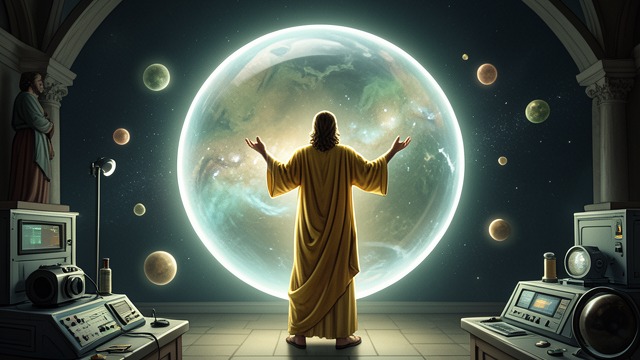
Created Freedom
A Perfect Creature
Satan is described as perfect when created. His later rebellion therefore cannot be blamed on a defective origin.
Choice as Moral Ground
The book connects his fall with misuse of free will. Freedom makes rebellion possible, but it also makes the rebel accountable for choosing it.
Moral responsibility begins before human history.
Human Choice
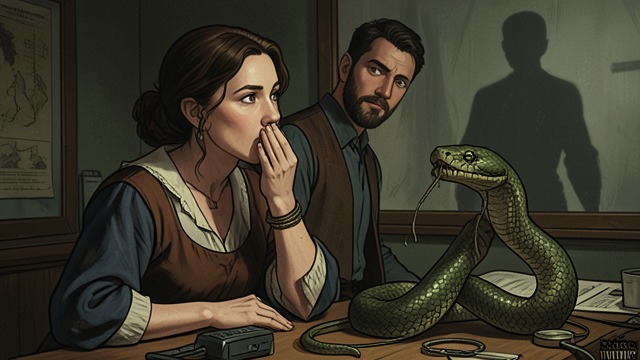
Human Choice
Deceived but Acting
Satan beguiles Eve, yet Adam and Eve eat. The book identifies the tempter as the spiritual source without presenting the humans as free from responsibility.
Blame Complicated
Adam’s attempt to blame Eve demonstrates how sin distorts responsibility after the act. Eve’s naming of the serpent identifies influence but does not erase human participation.
The fall joins deception to decision.
Judas’s Surrender
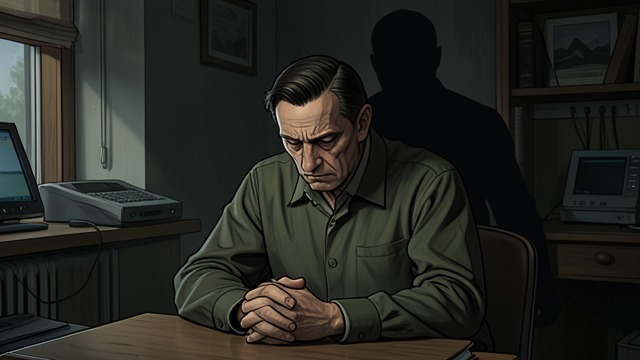
Judas’s Surrender
Influence Accepted
Judas allows Satan to control his mind. The wording presents an active surrender rather than an unavoidable possession.
Betrayal Owned
His action remains morally serious because spiritual influence does not cancel personal agency. The book holds both facts together: Satan motivates, and Judas betrays.
Responsibility becomes relational and spiritual at once.
Peter’s Unwitting Speech

Peter’s Unwitting Speech
Sincere Intention
Simon Peter speaks from protective loyalty. His intention is not consciously to serve Satan.
Consequential Words
Yet Jesus identifies Satan behind the speech because its effect is to oppose the necessary mission. The episode shows that ignorance of spiritual influence does not make words harmless.
Agency can be real even when the deeper source is unseen.
Chosen Deception
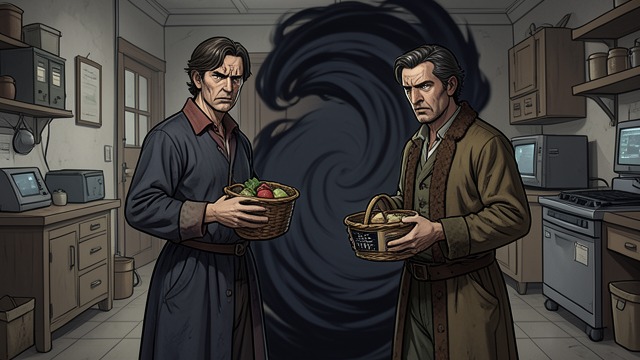
Chosen Deception
Shared Decision
Ananias and Sapphira deliberately present a partial gift as a complete one. Their agreement makes the deception a chosen social performance.
Satanic Pressure
Peter nevertheless identifies Satan as filling the heart. The story’s moral balance refuses both extremes: people are neither entirely autonomous nor merely blameless instruments.
Spiritual influence intensifies responsibility rather than abolishing it.
before Satan’s fall
during Adam and Eve’s temptation
before the betrayal of Jesus
during Peter’s rebuke of Jesus Christ
during Ananias and Sapphira’s appearance before the Church
