Creation of the universe
Who's Causing Your TroubleCreation of the universe is presented as the foundation for the book’s explanation of evil and human trouble: God created everything good, and the existence of suffering therefore cannot be attributed to a divine plan for evil. The account makes creation the starting point from which the later intrusion of sin, Satan’s opposition, and the possibility of restoration must be understood.
A Good Original Order
The book states that God created everything to be good rather than arranging the universe around evil or intending its later misery. Its governing biblical affirmation is that God saw everything He had made and found it very good. Creation is consequently not a background detail but the standard against which the world’s present disorder is judged.
This claim gives the creation account a sharply argumentative function. If the created order began as good, then evil is treated as an unnatural intruder rather than as an inherent feature of matter, history, or divine purpose. The book uses that distinction to redirect the reader’s explanation of trouble: suffering should not automatically be assigned to God, because it does not belong to the goodness originally built into creation.
The Intrusion of Evil
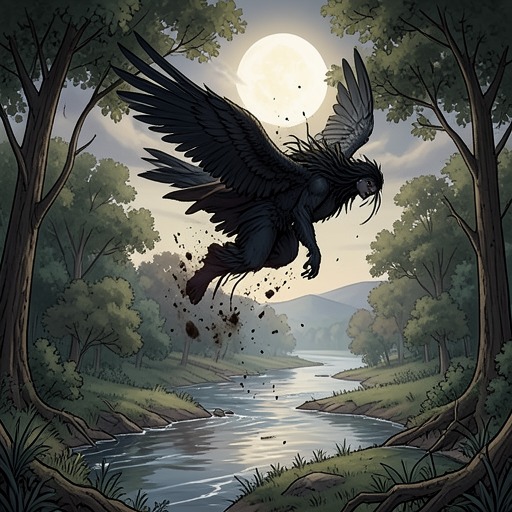
According to the book, evil entered the world when Satan interfered with God’s perfect creation by tempting Adam and Eve to disobey God. The sequence places Satan’s intervention after the good creation and presents human sin as the result of temptation and disobedience within that already-created order. Creation thus supplies the first stage in a causal history that moves from goodness to corruption.
Satan himself is included in this original goodness. The book emphasizes that even Satan was perfect when God created him, and cites the description that he was perfect in his ways from the day he was created until iniquity was found in him. His later opposition is therefore explained through the misuse of free will, not through a defect in God’s creative work. By that misuse, the devil brought sin and evil into the world.
Creation and Responsibility
The creation doctrine separates divine authorship from the later acts that damaged the created order. God is identified as the maker of what was good; Satan is identified as the agent who introduced evil through rebellion and temptation; Adam and Eve are presented as the human beings whom Satan motivated to sin. This distribution of responsibility is essential to the book’s larger insistence that people must identify the true source of their trouble rather than blaming God, circumstances, or other people.
The same framework appears in the book’s account of spiritual conflict. Human struggle is said not to be merely against flesh and blood but against principalities, powers, the rulers of the darkness of this world, and spiritual wickedness in high places. Creation supplies the positive order that these forces oppose, while the language of conflict explains why present experience can contradict the goodness with which the world began.
From Creation to Restoration
Creation also makes restoration intelligible. Because evil is described as an intruder rather than the intended condition of the universe, the book can present deliverance as a recovery of what has been violated. It teaches readers to accuse Satan as the real troublemaker, take authority over him, and expect the stolen or destroyed things to be restored. The practical exhortation depends on the earlier creation claim: what has been damaged is not being accepted as the universe’s proper final condition.
The book further grounds this confidence in Jesus Christ’s resurrection. When Jesus rose from the grave, He stripped the devil and his demons of their power and openly displayed their defeat; the cited statement from Colossians describes Him as having spoiled principalities and powers and triumphed over them. In this structure, Creation of the universe begins the story with divine goodness, Satan’s intrusion accounts for evil, and Jesus Christ’s victory establishes the possibility that the created order can be reclaimed from its corruption.