
Social Class and Who Gets Seen
Why Didn't They Ask EvansThe novel’s disguises exploit class expectations, while Bobby and Frankie’s friendship repeatedly crosses the social boundary between them.
increasing Bearing strength in each event
 decreasing
Bearing strength in each eventdecreasingA Vicar’s Son and an Earl’s Daughter
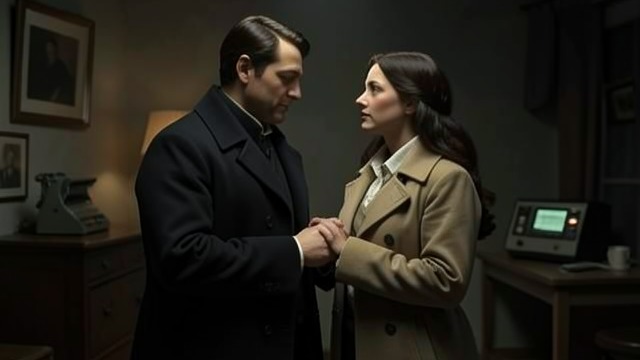
A Vicar’s Son and an Earl’s Daughter
Childhood familiarity
Bobby and Frankie retain the easy use of first names from childhood, but their families no longer share a social life. Each recognizes a distance that neither wants to discuss directly.
Affection across a boundary
Their friendship persists despite different money, status, and opportunity. Bobby’s sense that he is “nobody” later threatens the intimacy that Frankie takes for granted.
A Chauffeur Goes Unnoticed
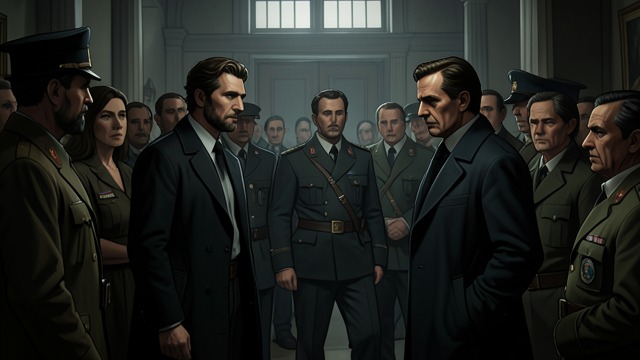
A Chauffeur Goes Unnoticed
The servant’s invisibility
Bobby believes that people do not look closely at a chauffeur. His uniform and disciplined manner allow him to stand near the Bassington-ffrench family without being recognized.
Class as camouflage
The disguise works because social roles shape attention. Those who are present in a household can remain unseen if others assume they are merely serving it.
A Solicitor’s Costume
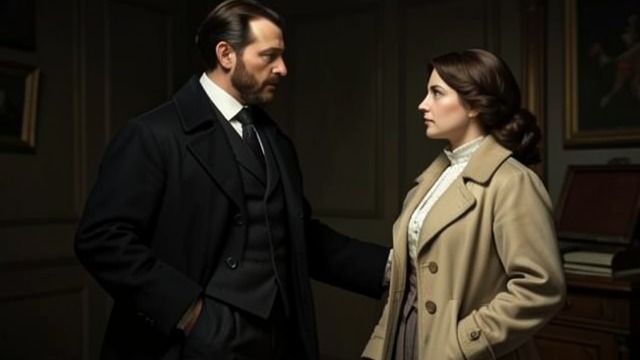
A Solicitor’s Costume
Authority borrowed from clothes
Bobby wears Lord Marchington’s morning clothes and presents himself as a junior solicitor. The respectable appearance earns access to Mrs Rivington before his invented story is tested.
Performance enabled by status
The encounter shows that a person’s presumed social position influences what others believe. Bobby’s success depends less on legal knowledge than on being taken for someone who belongs in the room.
Frankie’s Title as Entry
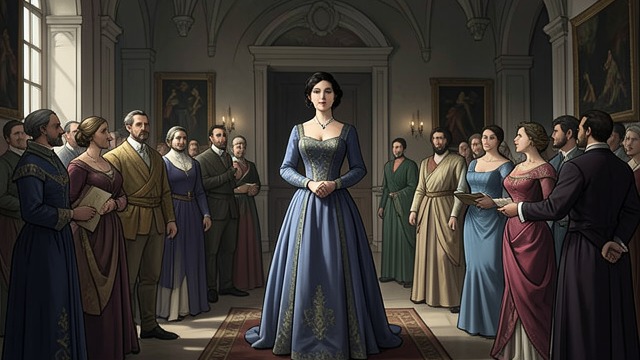
Frankie’s Title as Entry
Respectability mobilized
Frankie argues that her title makes her a credible visitor rather than a suspicious stranger. Her staged accident uses the household’s assumption that an earl’s daughter is respectable.
Privilege as a tool
Her social position gives her access that Bobby could not obtain openly. The novel treats status as both an obstacle in their relationship and an instrument that can be used for investigation.
A Future Beyond Rank

A Future Beyond Rank
Bobby’s old insecurity answered
Bobby once assumes he cannot belong in Frankie’s world. His work in Kenya and the danger they have faced together give him a new sense of worth.
Partnership chosen
Frankie accepts his proposal without treating rank or wealth as barriers. Their future abroad suggests that companionship can matter more than the social distinctions that once made Bobby hesitate.
During Bobby and Frankie’s train reunion
During Bobby’s first visit to Merroway Court in disguise
During Bobby’s London inquiries
During the plan to enter Merroway Court
In the final conversation at the Vicarage
