False identification of Alan Carstairs
Why Didn't They Ask EvansThe false identification of Alan Carstairs as Alex Pritchard concealed a murder by turning a dead man’s identity into something that could be staged. Roger Bassington-ffrench altered the evidence on Carstairs’s body, and the people posing as his relatives confirmed the false identity; the deception later helped provoke an attempt to silence Bobby Jones when he remembered a detail that threatened to unravel it.
Background and Motive
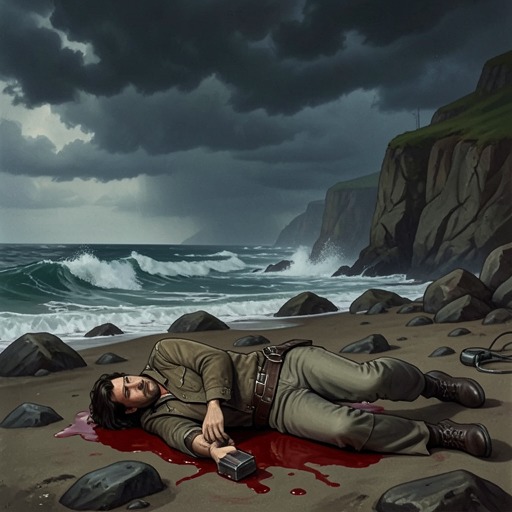
Roger Bassington-ffrench decided that Carstairs had to be killed because he was becoming a serious nuisance. When mist rose, Roger crept close behind him and pushed him over the cliff. The murder left Roger with a second problem: he did not know what incriminating evidence Carstairs might be carrying, so concealing the victim’s identity became part of the crime.
How the Identification Was Staged
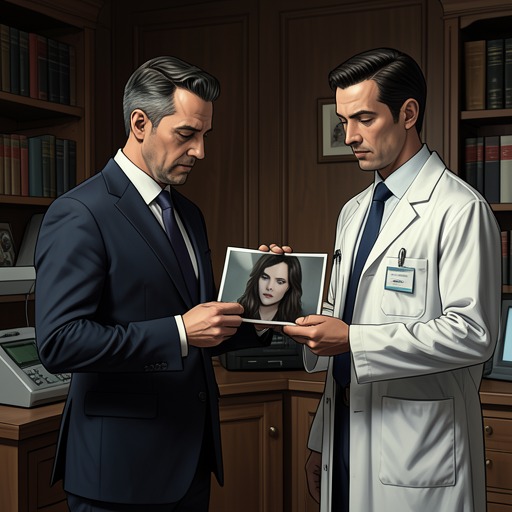
While alone with the body, Roger removed a photograph of Moira Nicholson that Carstairs had obtained from photographers, apparently for identification, along with letters and other identifying material. He then planted a photograph of a member of the gang. These changes replaced evidence linking the body to Carstairs with material intended to support another identity.
The Caymans arrived posing as the dead man’s sister and brother-in-law and identified him as the brother they claimed to have lost. Bobby Jones later explained this identification to Moira Nicholson, who struggled to understand whose body had actually been found. In Roger’s account, the impostors’ visit seemed to complete the plan: the body had been identified as the supposed brother, and the substitution appeared to have worked.
The Clue That Undermined the Deception
The false identification did not account for what Carstairs had said before dying. At the inquest, Bobby reported that the supposed brother had said nothing. Later, he remembered that the dying man had mentioned someone called Evans, wrote to The Caymans to correct his earlier answer, and thereby alerted the conspirators to a detail they had overlooked. Evans was in service at the Vicarage, making the name especially dangerous to those involved.
Roger acknowledged that this discovery rattled the group. The attempted identification had concealed who Carstairs was, but it had not erased his final words or prevented them from reaching Bobby. When Bobby refused a job offer in Peru or somewhere similar, he was given beer containing eight grains of morphia. He survived the poisoning, and the failure reinforced the suspicion that Carstairs had been pushed from the cliff rather than suffering an accident.
Consequences and Significance
The identification was therefore both a successful immediate disguise and a fragile one. The planted photograph and the impostors’ performance supplied an apparently coherent identity for the body, but Bobby’s belated recollection connected the dead man to Evans and turned the cover-up into a continuing threat. The episode shows how the story’s apparent certainty about a corpse depends not on recognition alone, but on photographs, missing papers, and testimony that can be manufactured—and on the possibility that a small remembered detail will contradict the whole arrangement.