
Deception as a Criminal Method
Why Didn't They Ask EvansDisguises, false names, staged scenes, and altered evidence repeatedly separate what characters see from what has actually happened.
increasing Bearing strength in each event
 decreasing
Bearing strength in each eventdecreasingThe Body Named Otherwise
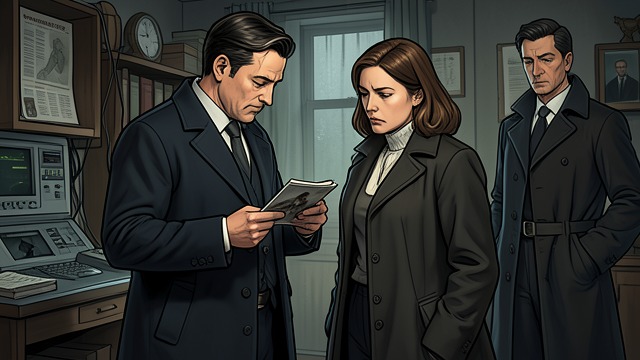
The Body Named Otherwise
Identity supplied by a photograph
The Caymans identify Alan Carstairs as Alex Pritchard using a planted portrait and a prepared account of his travels. The body’s physical injuries cannot contradict the name given to it.
Appearance becomes evidence
The inquest treats a recognizable image and a confident relative as proof. The false identity demonstrates how a convincing story can shape the meaning of otherwise neutral facts.
The Chauffeur’s Uniform
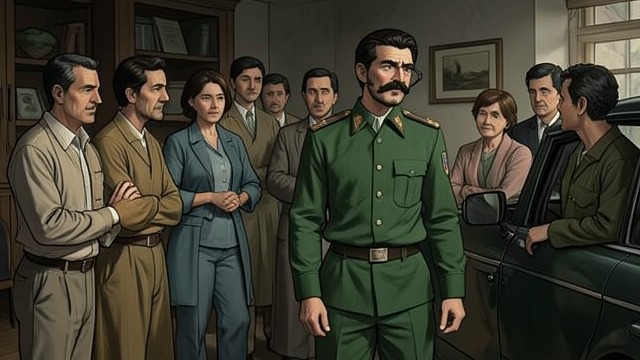
The Chauffeur’s Uniform
A social disguise
Bobby adopts a moustache, altered voice, and green livery to pass as Lady Frances Derwent’s chauffeur. The role works partly because household members look past servants rather than studying them closely.
Identity as access
His disguise allows him to collect local gossip and approach The Grange. It also reveals that social expectations, not only physical appearance, determine who is noticed.
The Doctor’s Imitation
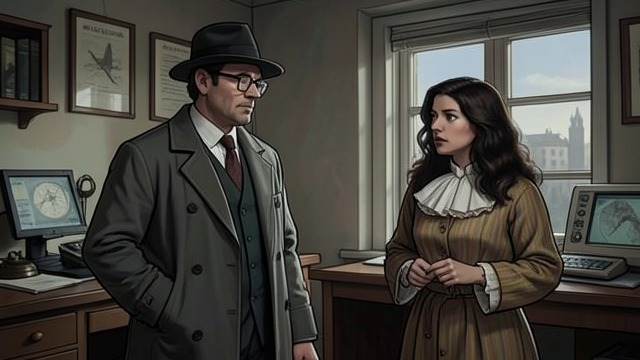
The Doctor’s Imitation
A convincing performance
Roger wears a hat, overcoat, and pince-nez and imitates Dr Jasper Nicholson’s voice. Frankie accepts the figure as the doctor because that identity fits her existing theory.
A detail breaks the mask
Bobby remembers the real doctor’s joined earlobes and recognizes the impostor’s difference. The scene shows that careful observation can undo a performance that has already shaped judgment.
A Letter in Another Hand
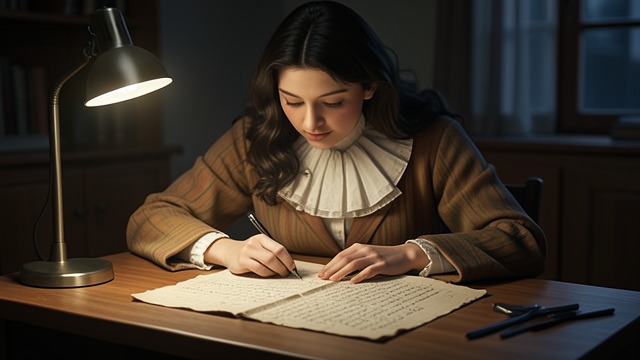
A Letter in Another Hand
Trust forged on paper
Roger forges a letter in Bobby’s handwriting and sends Frankie to a secluded cottage. Its intimate tone and precise directions make the message feel authentic.
The cost of presumed identity
Frankie follows it without checking with Bobby, and the letter becomes the instrument of her capture. In a novel full of false names, even handwriting proves vulnerable to imitation.
The Real Names Returned
The Real Names Returned
Aliases connected
The investigation finally links Mrs Templeton, Moira Nicholson, the hidden portrait, and the woman seen at the cafe. Roger’s letter supplies the missing explanation for the false name Alex Pritchard.
Recognition defeats disguise
The plot’s disguises fall when separate observations converge: photographs, witness memories, bodily details, and a failed poisoning. Identity is recovered not through a single revelation but through comparison across the story.
At the first inquest
During Bobby’s arrival at Merroway Court
During the attic confrontation
The day Frankie travels to Chipping Somerton
After the cafe confrontation
