
The Seduction and Control of Henry
Why Didn't They Ask EvansMorphia gives the conspirators a way to weaken Henry, shape his decisions, and make his death appear to be the result of his addiction.
increasing Bearing strength in each event
 decreasing
Bearing strength in each eventdecreasingSleep as an Opening
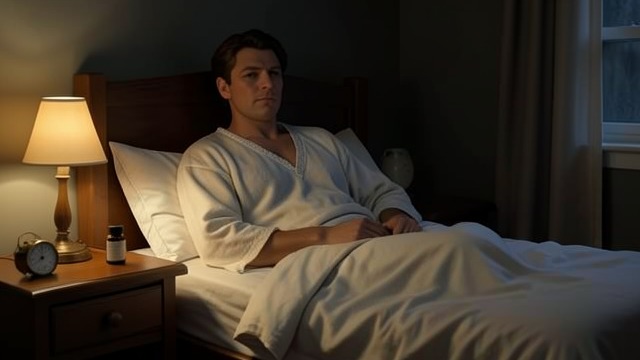
Sleep as an Opening
A new dependence
Henry complains of insomnia and begins using morphia. Roger later says the addiction starts around this time, though the exact source of the drug remains unclear to the family.
Control begins quietly
A need presented as relief gradually becomes a vulnerability. Henry’s dependence gives others a means to influence his moods and isolate him from those closest to him.
A Secret Postal Supply
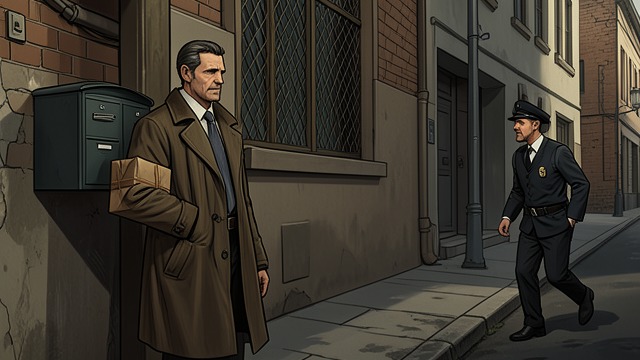
A Secret Postal Supply
A pattern observed
Roger tells Frankie that Henry becomes agitated when his supply runs out and improves after the evening post. He suspects the drug is being sent to the house.
A clue with two meanings
The account points Frankie toward Dr Jasper Nicholson and illicit drug networks, but Roger himself is the person who knows how the dependence serves his plan. The truth is concealed inside a plausible suspicion.
The Promise of Treatment

The Promise of Treatment
Remorse used as leverage
Henry agrees to seek help after Sylvia learns the truth. His determination appears sincere, but his dependence leaves him open to suggestions about where and how he should be treated.
The wrong place chosen
Sylvia insists on The Grange, and Roger initially seems to support the plan before changing his mind. The argument exposes how control over treatment could determine Henry’s fate.
Suicide Made Believable
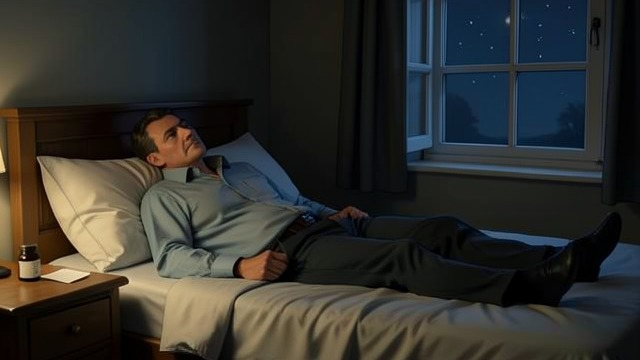
Suicide Made Believable
Addiction becomes an alibi
Roger kills Henry and leaves a farewell letter that fits the family’s knowledge of his drug problem. His death can be interpreted as the culmination of a desperate struggle with addiction.
The victim’s illness concealed the murderer
The real history of morphia allows the false history of suicide to pass official scrutiny. Henry’s vulnerability thus becomes both the means of his death and the explanation used to hide it.
A Network Beyond One House
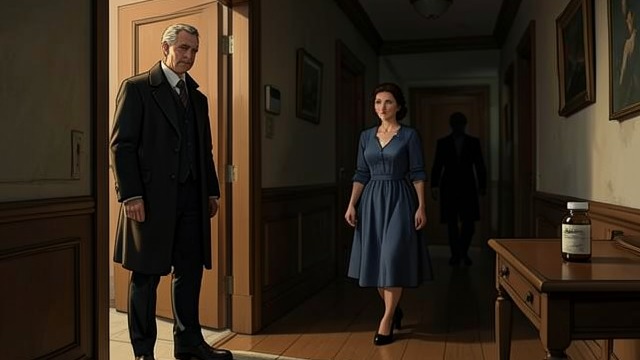
A Network Beyond One House
Legitimate medicine and illicit purpose
Frankie and Bobby suspect that The Grange’s access to drugs could conceal a supply network. Roger’s confession shows that the household’s addiction was deliberately encouraged as part of a specific criminal design.
Dependence as power
The novel’s drug thread links personal suffering to manipulation and murder. Morphia is not merely a medical detail; control over it becomes a means of controlling people.
About six months before the main events
During Roger’s conversation with Frankie
The afternoon before Henry’s death
The night of the study shooting
After the final disclosure
