
The Meaning of Power
William Tell (P. G. Wodehouse Edition)This thread examines the contrast between Gessler’s coercive authority, Tell’s personal courage, and the people’s collective ability to resist.
increasing Bearing strength in each event
 decreasing
Bearing strength in each eventdecreasingPower as Extraction
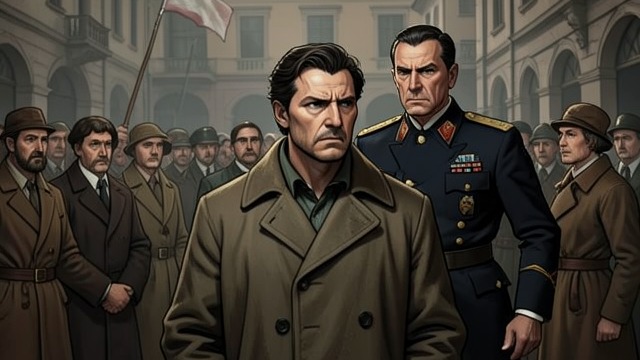
Power as Extraction
Taxes reach every household
Hermann Gessler uses government authority to tax food, animals, and ordinary trade.
Rule enters daily life
The policy makes power tangible not through abstract law but through what people must surrender.
The story begins its critique with material pressure.
Power as Intimidation
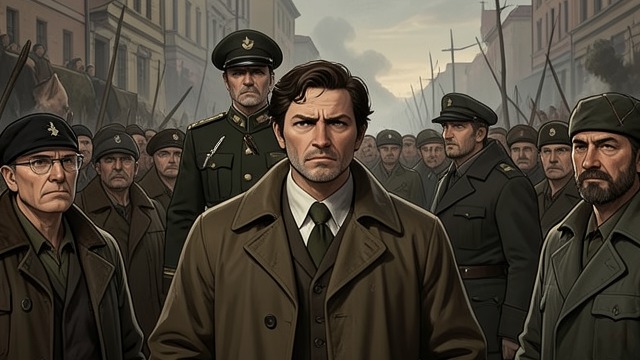
Power as Intimidation
A complaint is punished
Hermann Gessler responds to the delegates’ demand with boiling oil rather than negotiation.
Consent manufactured
Their apparent agreement follows physical pain and payment, so it cannot represent genuine acceptance.
The scene distinguishes submission from legitimate consent.
Power as Spectacle
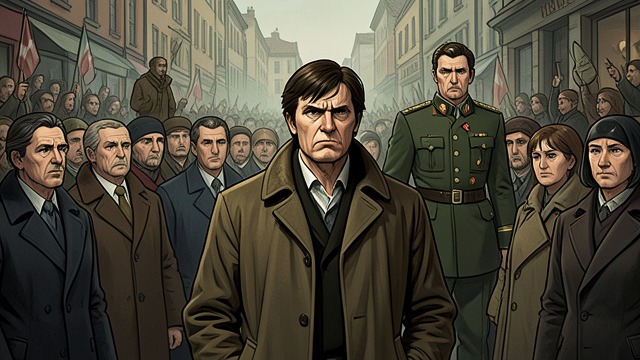
Power as Spectacle
Obedience staged
Hermann Gessler places his hat on a pole and orders passersby to bow.
Authority made absurd
The command demands reverence for an object, exposing the insecurity behind the Governor’s display of dominance.
The hat becomes a public image of tyranny.
Power Defied
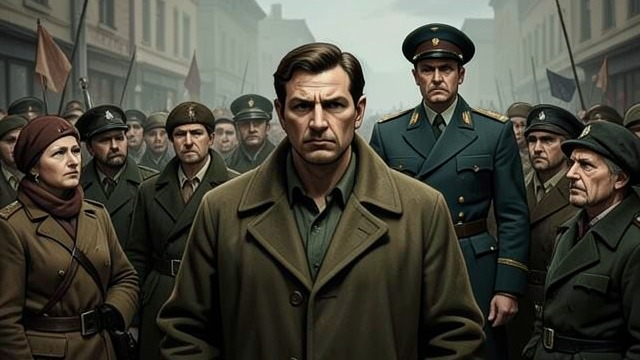
Power Defied
A ruler sets the terms
Hermann Gessler forces William Tell to risk Walter’s life under threat of death.
Skill and resistance
Tell makes the shot, then reveals that another arrow was meant for Gessler if Walter died.
The contest shows both the reach and the moral limits of coercive power.
Power Reclaimed
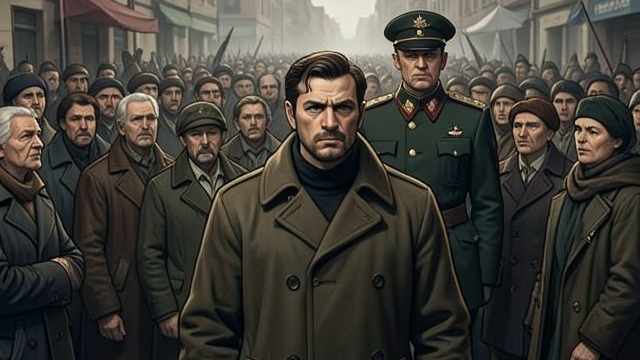
Power Reclaimed
The regime’s structures fall
The Swiss people seize and dismantle the fortresses built under Gessler’s rule.
Symbols are reinterpreted
William Tell urges them to preserve the hat as a memorial of liberty rather than tyranny.
Power passes from the ruler’s commands to the community’s choice about what its history means.
At the story’s opening
During the first petition
The day the hat decree is announced
During the apple challenge
After the uprising succeeds
