
The Fragility of Authority
William Tell (P. G. Wodehouse Edition)This thread traces how Gessler’s authority depends on cooperation, spectacle, and force, then collapses when those supports fail.
increasing Bearing strength in each event
 decreasing
Bearing strength in each eventdecreasingA Governor’s Reach
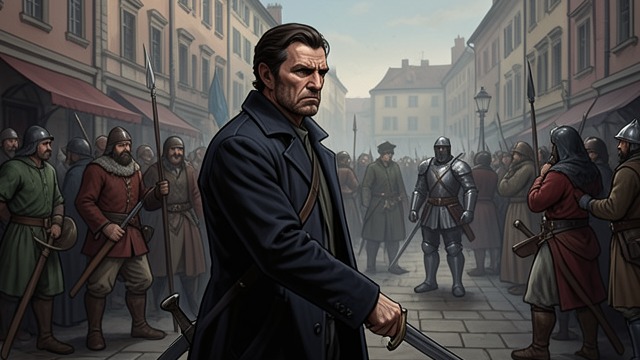
A Governor’s Reach
Rules and revenue
Hermann Gessler taxes goods and bans ordinary pleasures across Switzerland.
Power normalized
His authority appears extensive because the people initially have few means to challenge it.
The story asks how much of that power rests on fear rather than consent.
The Delegates’ Compliance
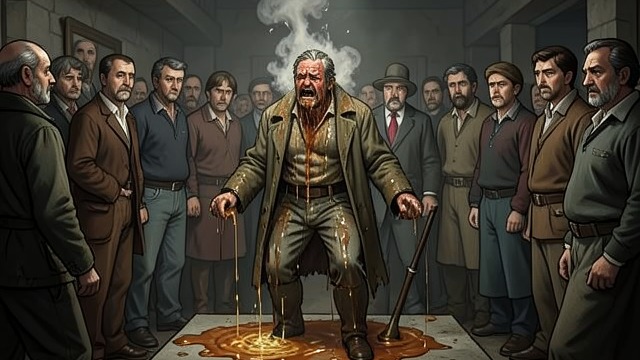
The Delegates’ Compliance
Force secures agreement
The delegates say they accept the taxes after Arnold of Melchthal is hurt with boiling oil.
Authority’s appearance
Their return may look like acceptance, but the crowd recognizes that coercion produced it.
The regime controls public words without earning belief.
The Hat Goes Unhonored
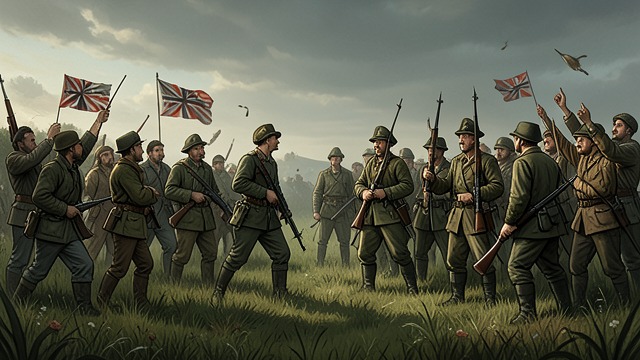
The Hat Goes Unhonored
A command without compliance
Most people avoid the meadow, and later crowds openly mock the guards.
Limits exposed
The Governor can issue the ritual but cannot make it meaningful to the people.
Authority begins to look theatrical and vulnerable.
The Ship Needs Tell
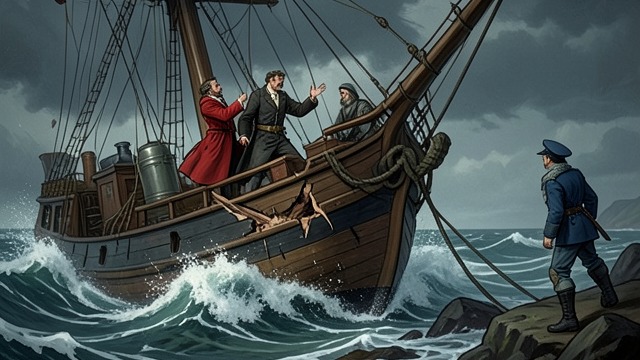
The Ship Needs Tell
Command meets necessity
The helmsman cannot guide the ship through the rocks, so Gessler must call on William Tell.
Dependence revealed
The Governor’s captive becomes the person on whom the armed party’s survival depends.
The hierarchy falters when expertise matters more than rank.
The Regime Falls
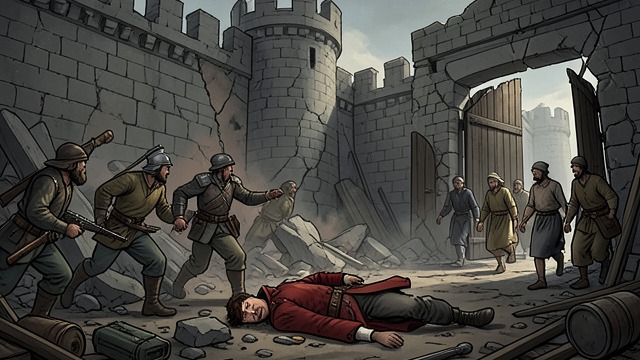
The Regime Falls
Symbols lose their enforcer
With Hermann Gessler dead, the Swiss people attack the fortresses that embodied his rule.
Authority collapses quickly
The Emperor’s death prevents a prompt response, and the people become free.
The ending shows a powerful regime undone by resistance and circumstance together.
At the beginning of the story
At the end of the first audience
The first day the hat stands in the meadow
During the storm crossing
The night after Gessler’s death
