
The Story’s Irony
William Tell (P. G. Wodehouse Edition)This thread follows the book’s comic reversals as humor exposes the gap between official power and lived reality.
increasing Bearing strength in each event
 decreasing
Bearing strength in each eventdecreasingTaxes Made Absurd
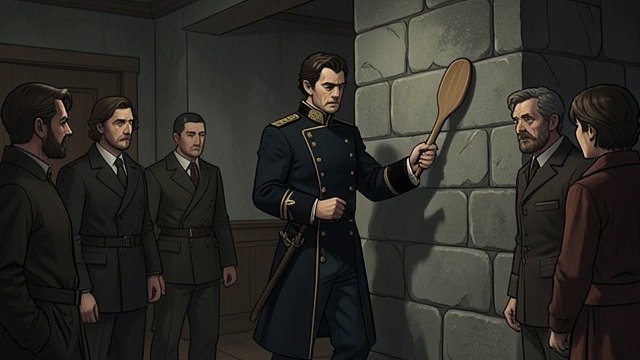
Taxes Made Absurd
Exaggerated reach
The narration lists taxes on sheep, cows, bread, biscuits, jam, and lemonade.
Humor with a target
The comic accumulation makes Gessler’s greed vivid while keeping its material consequences clear.
The joke sharpens rather than erases the injustice.
The Boiling Audience
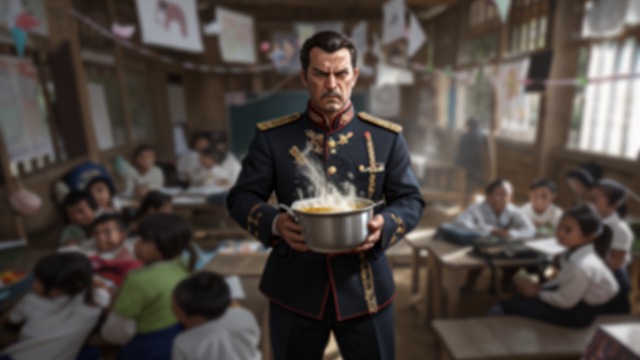
The Boiling Audience
Bureaucratic manners
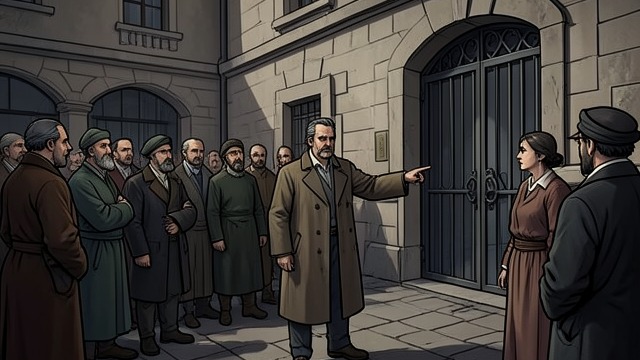
Gessler corrects the delegates’ form of address before hearing their complaint.
A grotesque fee
The audience ends with a payment for using boiling oil, turning official procedure into a comic portrait of extortion.
Humor makes the cruelty memorable by exposing its absurd logic.
The Empty Hat Post
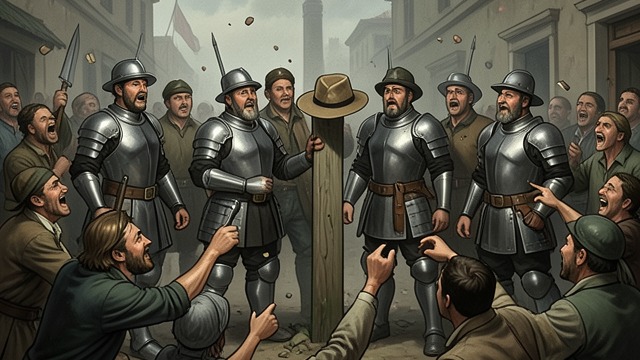
The Empty Hat Post
An absurd assignment
Friesshardt and Leuthold must guard a hat while the people avoid the meadow.
Mockery reverses rank
The guards become targets of jokes and eventually missiles, despite their armor.
The scene turns state power into public farce without making its threat disappear.
The Apple’s Aftermath
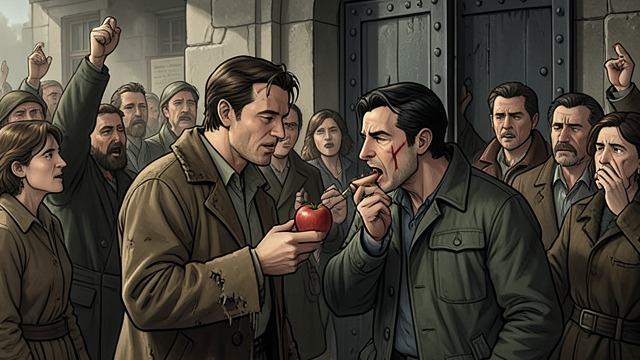
The Apple’s Aftermath
High stakes abruptly shrink
After surviving a lethal test, Walter is distressed when Rudolph der Harras bites into the apple.
Childhood returns
Walter eats it once it is handed back, restoring a small domestic concern amid public celebration.
The comic beat releases tension without diminishing the danger that came before.
Taxes Remain
Taxes Remain
Victory qualified
The closing verse notes that accounts of William Tell’s story may be uncertain or embellished.
A final joke
The narrator ends by observing that taxes have not been abolished.
The punchline links the legendary struggle to an enduring everyday grievance.
At the story’s opening
During the first petition
During the guards’ first day at the meadow
Just after the successful shot
At the epilogue
