
The Unreliable Comfort of Tact
William Tell (P. G. Wodehouse Edition)This thread examines the comic but consequential contrast between procedural advice and the realities of coercive power.
increasing Bearing strength in each event
 decreasing
Bearing strength in each eventdecreasingTact Proposed
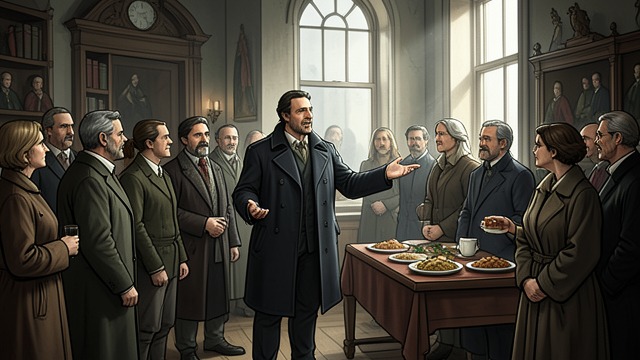
Tact Proposed
A confident diagnosis
Arnold of Sewa claims the delegates failed because they did not use tact.
A procedural solution
He imagines easing into the subject through pleasant conversation about weather and food.
His theory assumes that the Governor can be persuaded if approached correctly.
The Theory Tested
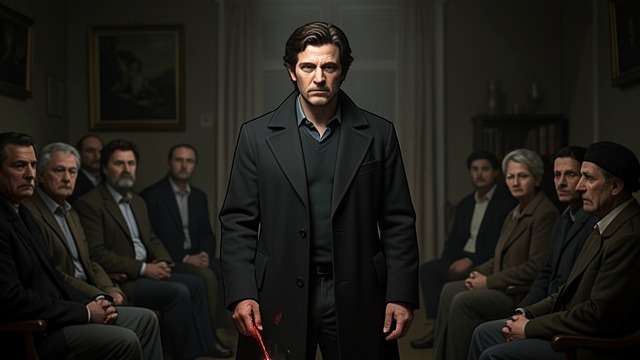
The Theory Tested
The same audience
Arnold of Sewa faces the same Governor and the same coercive environment as the original delegates.
The same result
He leaves with a burned finger and no change in policy.
The failure exposes tact as insufficient when the other party has no intention of negotiating.
Guile on the Battlefield
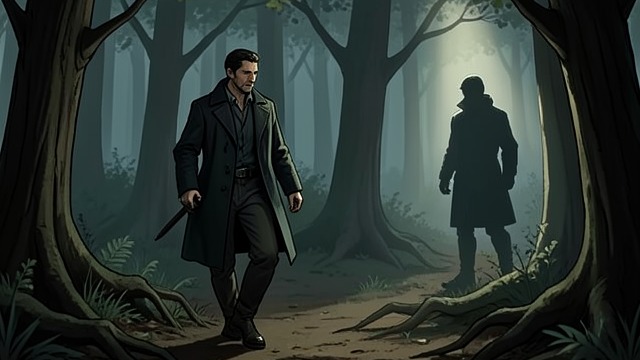
Guile on the Battlefield
Advice shifts form
Arnold of Sewa says guile is better than brute force against armored soldiers.
Practice fails
His stealthy approach is noticed, and Leuthold strikes him before he can act.
Cunning cannot reliably overcome unequal weapons and readiness.
Prudence at the Shore
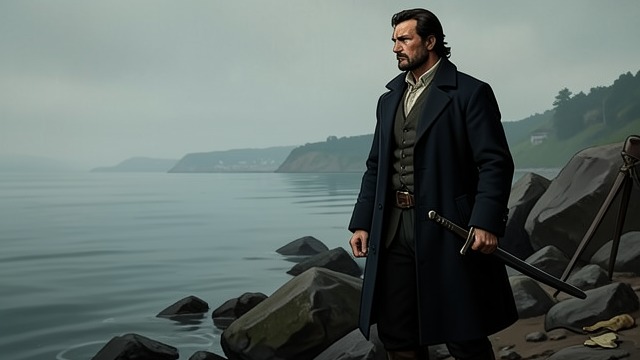
Prudence at the Shore
A reason to wait
The people avoid attacking the armed escort because they are poorly equipped and likely to be defeated.
A real dilemma
Caution prevents a reckless assault but also leaves William Tell in custody.
The narrative treats prudence as necessary without pretending it is always satisfying.
Action Outruns Advice

Action Outruns Advice
An unforeseen opening
A storm creates a crisis in which William Tell’s practical skill matters more than formal plans.
Decisive improvisation
He steers through the rocks, leaps onto a rock, and kills Hermann Gessler.
The plot favors grounded competence over clever talk detached from action.
After the first petition fails
Soon after Arnold of Sewa enters the palace
During the fight at the meadow
After Tell is taken to the lake
During the storm on the lake
