Chamois
William Tell (P. G. Wodehouse Edition)The Chamois appears as both hunted animal and part of the mountain terrain that shapes William Tell’s life. Its place in the narrative connects Tell’s hunting skill to his family’s food and, later, to the familiarity with steep rocks that helps him escape capture.
Mountain Quarry
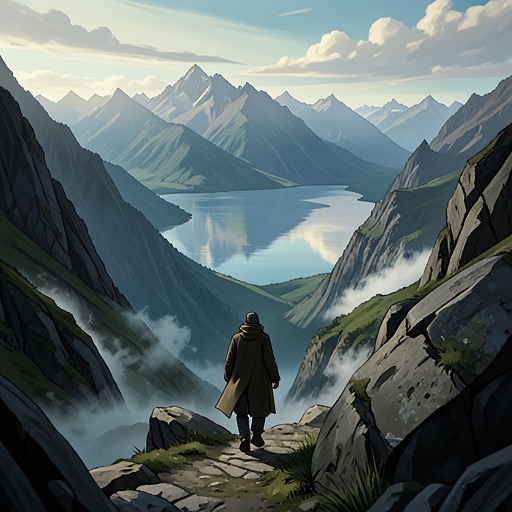
William Tell is introduced as a hunter able to cross ice-fields and leap from crag to crag in pursuit of a Chamois. The animal is not given a separate scene or voice; it is seen through the demands its pursuit makes on Tell and the landscape. That account places the hunt among the skills that define him, alongside his sure-footedness and mastery of the crossbow.
Food for the Household
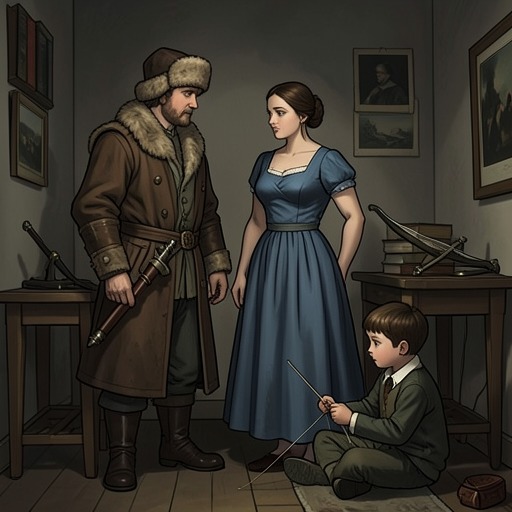
Hunting also has a practical consequence at the chalet where William Tell lives with Hedwig and their sons, Walter and William. He is said never to return empty-handed from the chase, sometimes bringing home a Chamois. The family stretches that catch across several meals: roasted on the first day, served cold over the next four, and minced on the sixth. The detail makes the Chamois more than a measure of Tell’s prowess; it is provision for the household.
Familiar Ground and Escape
Later, as soldiers approach to bind William Tell aboard Hermann Gessler’s ship, the vessel passes a lofty rock of the kind Tell had often climbed while hunting the Chamois. He snatches up his bow and quiver, leaps from the bulwark to the rock, and gets beyond the soldiers’ reach. The animal is absent from this escape, but its earlier association with Tell’s hunts gives the rock a practical significance: hunting has made him familiar with terrain that becomes a route to freedom.