
Attinghausen and Rudenz
William TellThis flow traces an elderly baron’s last effort to pass a responsibility for the people to his estranged heir.
increasing Bearing strength in each event
 decreasing
Bearing strength in each eventdecreasingThe Estranged Heir
The Estranged Heir
A changed young man
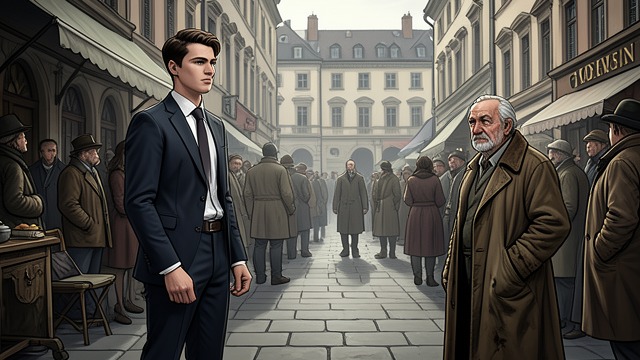
Werner, Baron of Attinghausen sees Rudenz dressed for the governor’s court and laments how strange his nephew has become. Rudenz’s fashionable clothes and contempt for local customs represent a growing distance from the household.
A warning from age
The baron believes that Rudenz has mistaken courtly display for lasting honor. He urges him to remain among the people whose affection gives his authority meaning.
Their estrangement is political as well as familial. The old baron fears that his heir will inherit property while rejecting the community that made that inheritance possible.
The Appeal to Heritage
The Appeal to Heritage
Freedom as inheritance
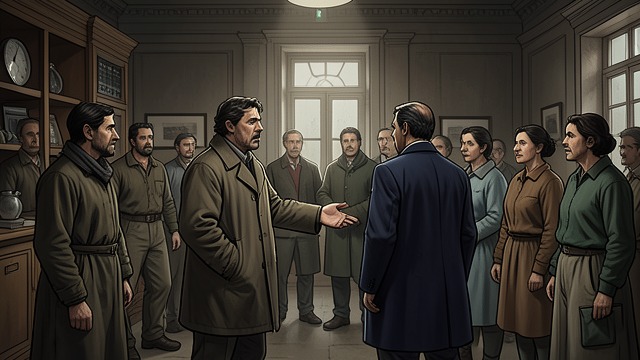
Attinghausen reminds Rudenz that the family’s lands were received free and that acceptance of Austrian feudal terms would surrender a hard-won inheritance. He contrasts local self-government with dependence on a distant court.
A plea for the living community
The baron argues that a leader’s pride should rest on the freely given loyalty of a people, not on a title granted by a prince. Rudenz dismisses this as impractical in a world dominated by powerful rulers.
The disagreement exposes two ideas of inheritance. One treats land as a route to advancement; the other treats it as a bond that carries duties toward others.
A Deathbed Without Rudenz
A Deathbed Without Rudenz
The fear of dying misunderstood
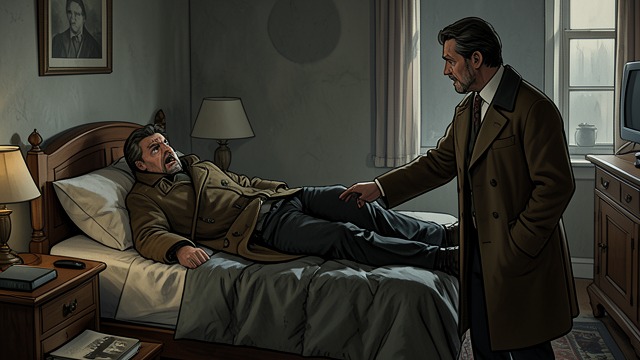
As Attinghausen lies dying, he asks whether Rudenz has spoken for the native land. He fears that his nephew will remain absent while the country approaches its decisive struggle.
News of conversion
Walter Furst reassures him that Rudenz has finally spoken against Gessler. The old baron hears that his nephew’s heart has returned to the people and receives the news as a last consolation.
The reconciliation arrives through deeds rather than a long private farewell. Their relationship is completed by the political choice Attinghausen had urged him to make.
The Last Blessing
The Last Blessing
A vision beyond one generation
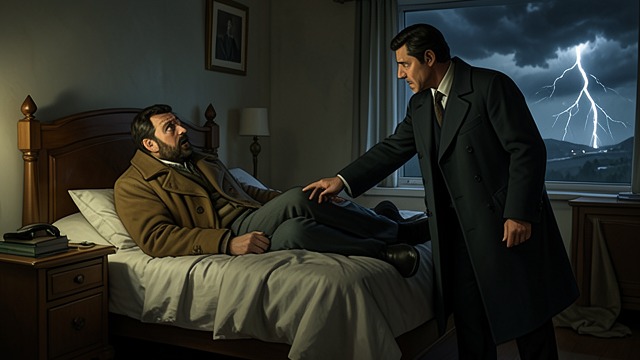
The dying baron imagines a coming struggle in which ordinary people will defend their freedom against armored rulers. He sees the old order giving way to a new political life sustained by others.
A symbolic inheritance
He blesses Walter Tell, whose survival in the apple ordeal becomes a sign of the future. His words shift attention from noble succession to the endurance of human dignity across generations.
Attinghausen dies holding the hands of the leaders who will carry on the work. His final authority comes not from his title but from the relationship he has maintained with his people.
An Heir Reconciled
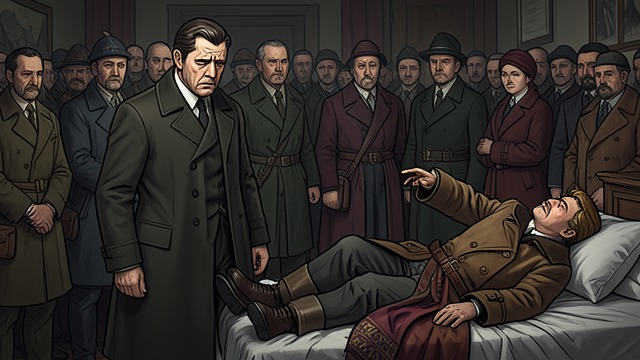
An Heir Reconciled
Regret and inheritance
Rudenz arrives too late to speak with his uncle and mourns the words left unsaid. He asks whether the baron died angry, then learns that he blessed Rudenz’s courageous public stand.
A different kind of succession
Rudenz takes up his uncle’s responsibility by pledging himself to the country and asking the leaders to accept him. The baron’s lands and spirit now carry a political duty rather than merely a family status.
Their bond resolves through a shared cause. Rudenz cannot repair the lost conversation, but he can fulfill the purpose that his uncle’s final words entrusted to the living.
Early in the story, at Attinghausen
During the baron’s argument with Rudenz
Near the ending, before the cantons rise
At Attinghausen’s deathbed
Immediately after Attinghausen’s death
