
The Emperor’s Murder and the Confederates’ Position
William TellThis flow traces how Albert I’s assassination complicates the cantons’ victory without making them responsible for the assassins’ crime.
increasing Bearing strength in each event
 decreasing
Bearing strength in each eventdecreasingNews of the Killing
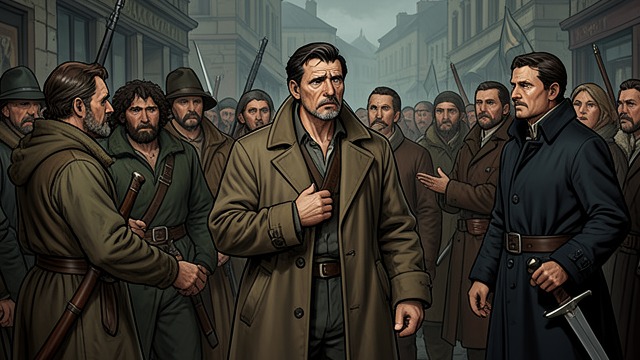
News of the Killing
Victory interrupted
As the people celebrate the removal of the governors, Werner Stauffacher reports that Albert I has been murdered near Bruck. The news changes the political atmosphere from triumph to uncertainty.
The perpetrators identified
Stauffacher says that Duke John and several noble companions took part in the killing. The assassination arose from a dispute over the duke’s inheritance, not from the Confederates’ plan to secure local liberties.
The separate crime enters the story just as the cantons expect a chance for a new settlement. It threatens to entangle their cause in a dynastic crisis beyond their control.
A Nephew’s Grievance
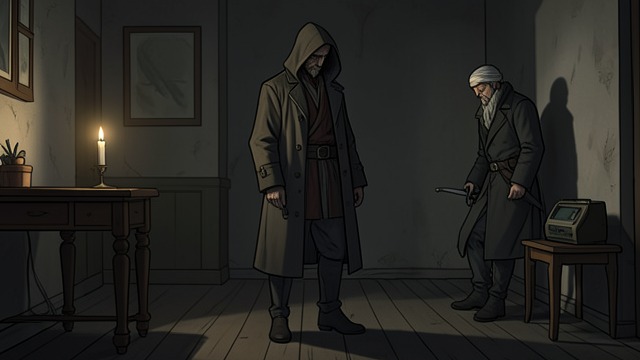
A Nephew’s Grievance
Inheritance denied
Duke John resents Albert I’s refusal to grant him his patrimony. He believes that he has been kept in political dependence while another young prince receives honor and lands.
A grievance turned into crime
Rather than continue seeking lawful redress, Duke John and his companions kill the emperor during a journey. Their act is personal and dynastic, and its violence exceeds the injury they claim to avenge.
The episode provides a counterpoint to the Confederates’ deliberations. A claim of injustice does not automatically justify an act of murder.
The Queen’s Demand
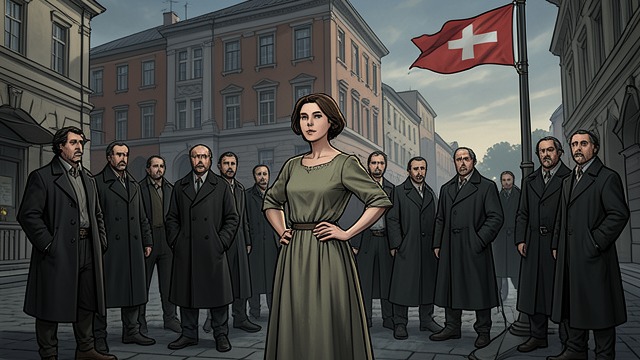
The Queen’s Demand
A call for pursuit
The queen asks the cantons to condemn the assassins and help deliver them to the authorities. Her letter invokes the former ruler’s favor and relies on the communities’ supposed gratitude.
A disputed debt
The Confederates recall that Albert did not confirm their freedoms or hear their representatives. They refuse to turn their new political freedom into a mandate to hunt men who have not harmed them.
Their response avoids both loyalty to the assassins and submission to the queen’s pressure. It defines the limits of their responsibility at a moment when fear might have pushed them into wider violence.
A Separate Moral Judgment
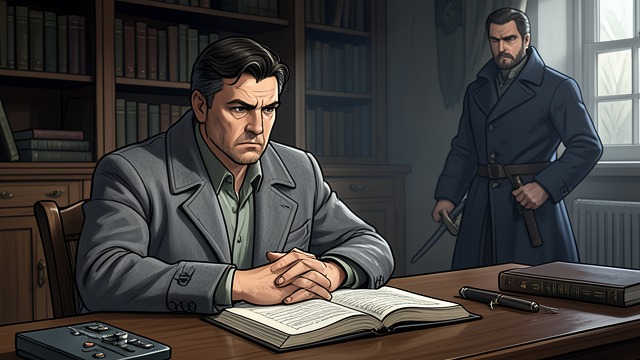
A Separate Moral Judgment
No celebration of regicide
Walter Furst says that the Confederates will not triumph in Albert’s death or pretend that the murder was their achievement. Their uprising had a different cause and a different moral basis.
Refusing forced vengeance
He also argues that death ends an obligation to a ruler who never served the cantons. Love and gratitude cannot be commanded after the relationship has failed to earn them.
The reply preserves a distinction between liberation and revenge. The cantons can reject a ruler’s demands without claiming every violent act committed against him as their own.
Duke John as an Outlaw
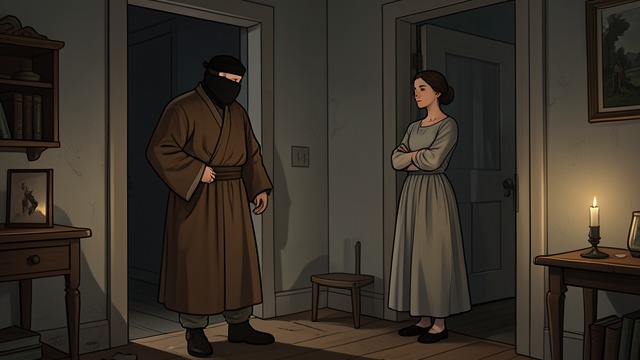
Duke John as an Outlaw
Flight from consequence
Duke John reaches Tell’s home disguised as a religious brother. He explains that he is under the imperial ban and wanders in fear of recognition.
A path of penitence
Tell refuses to confuse his own defense of family with the assassination of Albert I. Still, he guides the fugitive toward Rome and urges him to confess his guilt and accept the judgment that follows.
The encounter closes the subplot through moral counsel, not political rescue. Duke John receives a possible path toward repentance but no absolution from Tell.
Near the ending, after the uprising has succeeded
In Stauffacher’s account of the assassination
Near the ending, after news reaches Uri
During the debate over the queen’s letter
At the ending, during his meeting with Tell
