
The Cost of Delay
William TellThis flow traces the tension between prudent coordination and urgent action as the original timetable collides with new dangers.
increasing Bearing strength in each event
 decreasing
Bearing strength in each eventdecreasingThe Case for Waiting
The Case for Waiting
A coordinated schedule
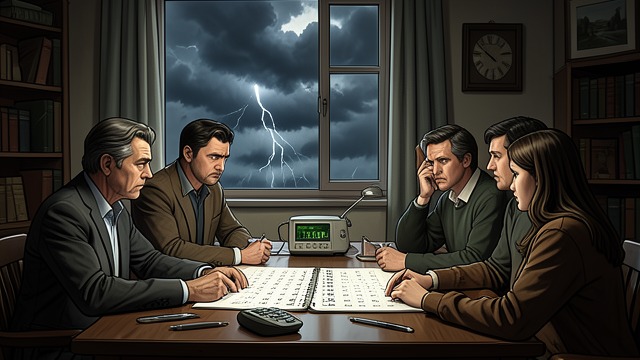
The delegates choose Christmas for their rising, when people can enter the strongholds under a familiar pretext. A common date is meant to reduce the risk of scattered, isolated attacks.
Secrecy as protection
The leaders believe that too many people already know the plan for immediate action to remain safe. Their decision reflects a practical fear that enthusiasm might reveal the conspiracy before it is ready.
Waiting is presented as a strategy rather than passivity. Yet a fixed timetable cannot anticipate every abuse that may occur before the chosen moment arrives.
The Apple Ordeal Changes the Stakes

The Apple Ordeal Changes the Stakes
A new provocation
Gessler forces Tell to risk his son’s life and then orders his imprisonment. The event creates a fresh danger that was not part of the original council’s plan.
Anger at the earlier restraint
Arnold of Melchthal asks why the Confederates did not strike sooner. Others recognize that they lack weapons and face a ring of armed guards, but the question exposes the cost of delay.
The ordeal does not settle the argument by itself. It makes clear that a sound plan can become inadequate when the rulers’ violence changes the immediate situation.
The Captive’s Absence
The Captive’s Absence
A leader removed
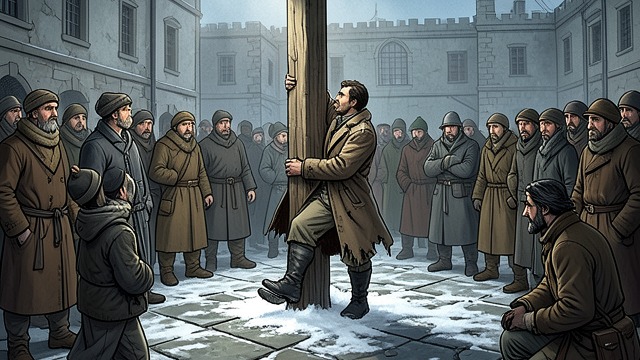
Tell’s capture deprives the community of a figure associated with courage and practical rescue. Hedwig fears that no one can reach him inside the governor’s custody.
A coalition under strain
The Confederates lament that their own caution left Tell exposed. His imprisonment becomes evidence that the regime will not wait for their appointed date before acting against them.
The episode makes delay emotionally costly as well as strategically dangerous. It tests whether the oath can survive regret and disagreement over what the council should have done.
Circumstances Reopen the Decision
Circumstances Reopen the Decision
A changed political moment
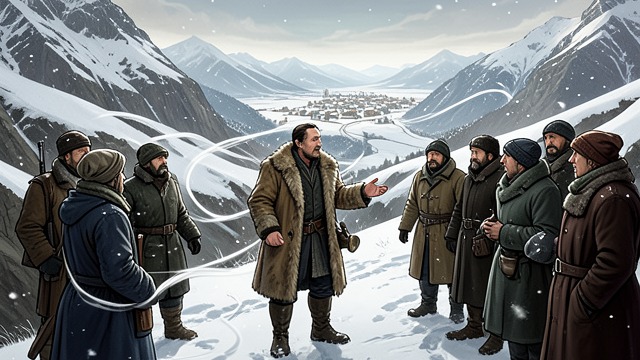
Rudenz arrives after Bertha has been abducted and urges the Confederates to act without waiting for Christmas. He argues that the danger now includes her life and that the earlier timetable cannot govern every new circumstance.
Debate becomes commitment
Arnold agrees that conditions have changed since the oath was sworn. The leaders prepare to use mountain signals to coordinate their action across the cantons.
The play treats prudence as responsive rather than rigid. A pledge remains meaningful, but its purpose may require adaptation when delay threatens the people it was meant to protect.
Action Before the Deadline
Action Before the Deadline
A new timetable in practice
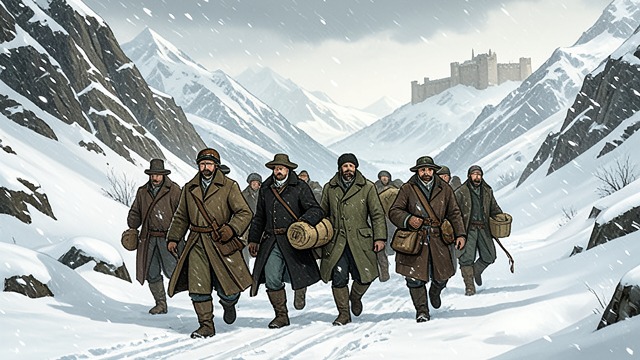
The Confederates move against the strongholds before the date originally discussed. Their readiness is coordinated through action and communication across the mountains.
Success with unresolved costs
The fortresses fall and Bertha is rescued, but the people must still confront the death of Gessler and the murder of Albert I. Acting sooner changes the immediate outcome without eliminating later political uncertainty.
The rising’s success resolves the argument pragmatically, not abstractly. The community survives because its members preserve their unity while adjusting their plan to changed dangers.
At the Rütli meeting
Midway through the story, at Altdorf
After Tell is taken toward Küssnacht
After Attinghausen’s death, before the final rising
Near the ending, during the coordinated rising
