
The Captured Governors’ Fall
William TellThis flow tracks the practical dismantling of the governors’ control and the people’s decision about what should be remembered afterward.
increasing Bearing strength in each event
 decreasing
Bearing strength in each eventdecreasingA Fortress Built Against Uri
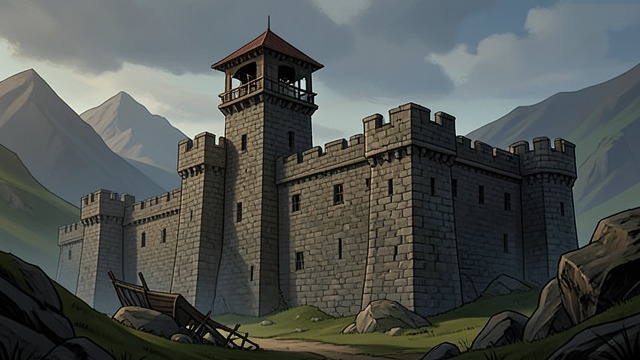
A Fortress Built Against Uri
Labor under command
Workers construct the keep at Altdorf under the taskmaster’s blows. They understand that its intended purpose is to keep them under the governor’s control.
Architecture of fear
The stronghold makes political subjection durable and visible. Its walls promise that the governors can punish resistance even when the ruler is absent.
The people’s later decision to demolish it has meaning because the building was never neutral. Its construction has already taught them how material structures can embody political power.
The Hat Raised in Public
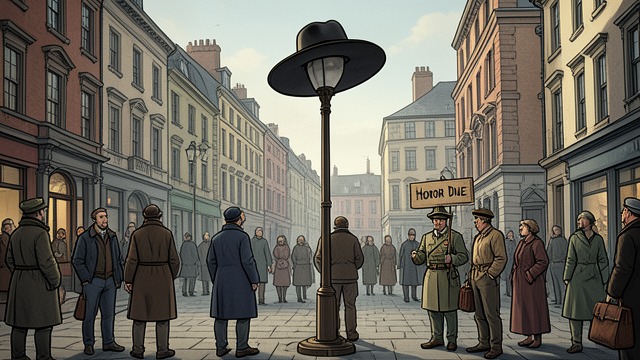
The Hat Raised in Public
An order of display
A crier announces that Gessler’s hat will receive the honor due to the governor and that refusal will bring punishment. The pole is placed where people must encounter it in everyday life.
Compliance measured visibly
The order converts a small public gesture into evidence of loyalty. Anyone who walks past without bowing can be made into an example.
The hat is a portable counterpart to the keep. It exercises authority in ordinary space, showing that domination can be staged as ritual as well as enforced through walls.
The People’s Reversal
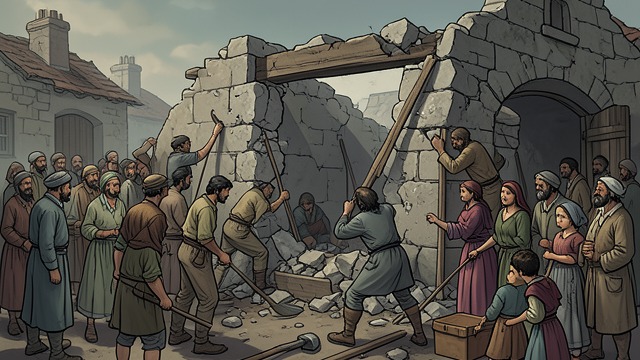
The People’s Reversal
The builders return
After hearing that the governors’ strongholds have fallen, the people of Uri tear down the keep. The workers’ knowledge of construction becomes knowledge of demolition.
A crowd takes ownership
Men, women, and children participate, making the destruction a collective act. The building no longer dictates the people’s future simply because it was designed to intimidate them.
The reversal gives the people physical agency over a structure once imposed on them. It turns the public square from a site of surveillance into a place of celebration.
The Hat’s Meaning Reversed
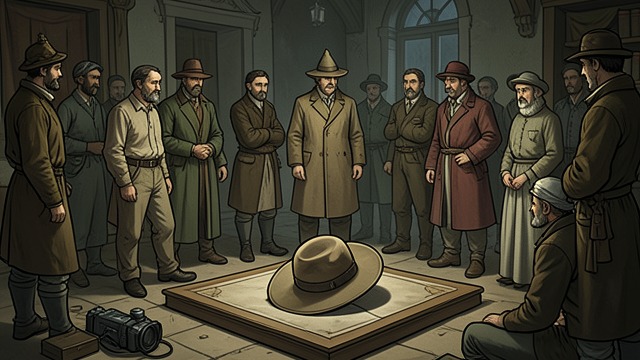
The Hat’s Meaning Reversed
An emblem brought down
The people bring the hat from its pole and ask what should be done with it. The object that once commanded a gesture now lies in their hands.
Memory rather than erasure
Walter Furst advises preserving the hat as a reminder of the power they have overcome. The symbol remains, but its interpretation belongs to the community rather than to Gessler.
The choice suggests that political freedom requires memory as well as victory. The people can remember coercion without continuing to obey its emblem.
A Future Beyond the Ruins
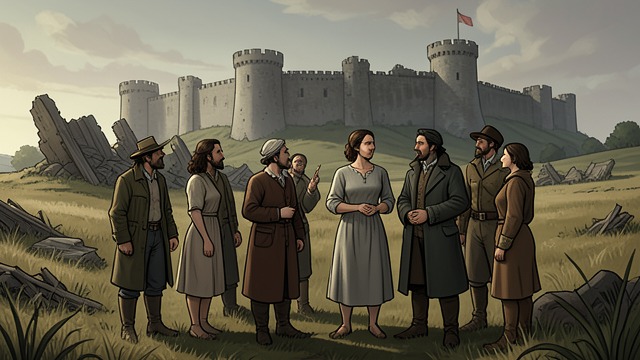
A Future Beyond the Ruins
The limits of destruction
The Confederates stand amid the remains of tyranny but know the ruler may seek to restore his authority. Their victory cannot be secured by wrecked walls alone.
Freedom made durable
They rely on the union of the cantons, shared vigilance, and the willingness to defend one another. Bertha’s citizenship and Rudenz’s freeing of his serfs suggest that a new social order must accompany the removal of the old structures.
The ruined fortress is a beginning rather than a complete settlement. Its fall creates room for political choices that the community must continue to make.
Early in the story, at Altdorf
Early in the story, during the proclamation at Altdorf
At dawn, after the uprising succeeds
At dawn, as the keep is being destroyed
At the final communal celebration
